
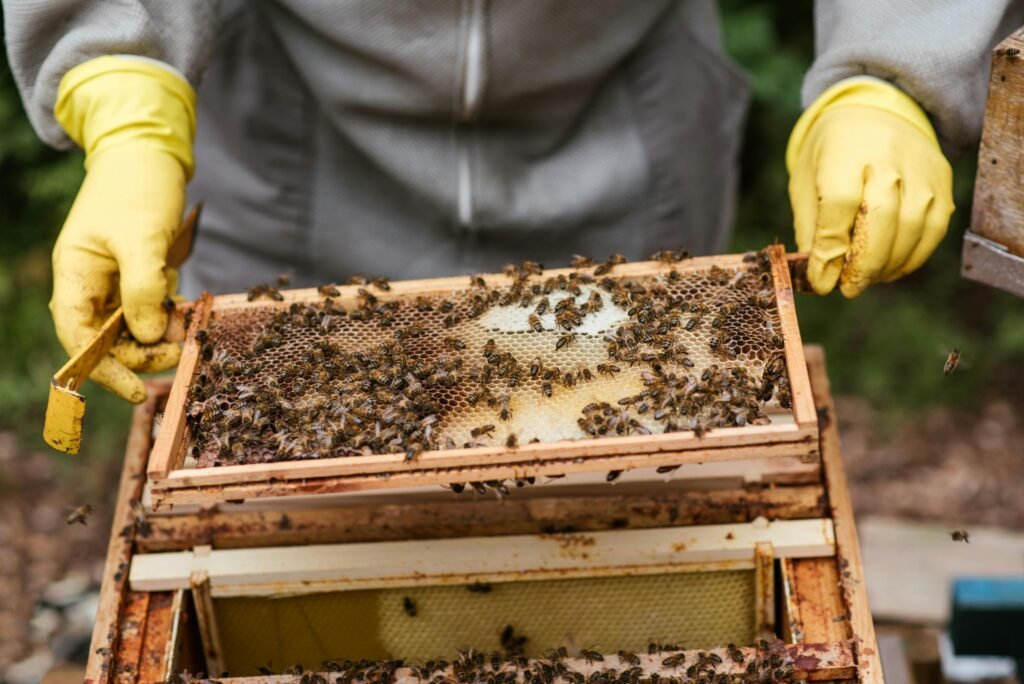
Pest control is an essential part of maintaining a healthy home and garden, but many conventional methods rely on harmful chemicals that can damage the environment and pose health risks.
Fortunately, eco-friendly pest control solutions offer effective alternatives that are safe for both people and the planet.
In this comprehensive guide, we’ll explore a variety of natural pest control methods, provide practical tips, and recommend products to help you keep your home and garden pest-free in an environmentally friendly way.
Table of Contents
- Introduction: The Importance of Eco-Friendly Pest Control
- Common Household Pests and Eco-Friendly Solutions
- Ants
- Cockroaches
- Spiders
- Mosquitoes
- Eco-Friendly Pest Control for the Garden
- Aphids
- Slugs and Snails
- Caterpillars
- Rodents
- Natural Repellents and Deterrents
- Essential Oils
- Diatomaceous Earth
- Neem Oil
- Vinegar Solutions
- Beneficial Insects and Animals
- Ladybugs
- Praying Mantises
- Bats
- Birds
- DIY Eco-Friendly Pest Control Recipes
- Homemade Ant Repellent
- Natural Cockroach Killer
- Mosquito-Repellent Spray
- Organic Garden Pesticide
- Eco-Friendly Pest Control Products
- Indoor Pest Control
- Outdoor Pest Control
- Pet-Safe Solutions
- Maintaining a Pest-Free Home and Garden
- Preventative Measures
- Regular Maintenance
- Seasonal Tips
- Expert Advice on Eco-Friendly Pest Control
- Conclusion: Embrace Natural Solutions for a Healthier Environment
1. Introduction: The Importance of Eco-Friendly Pest Control
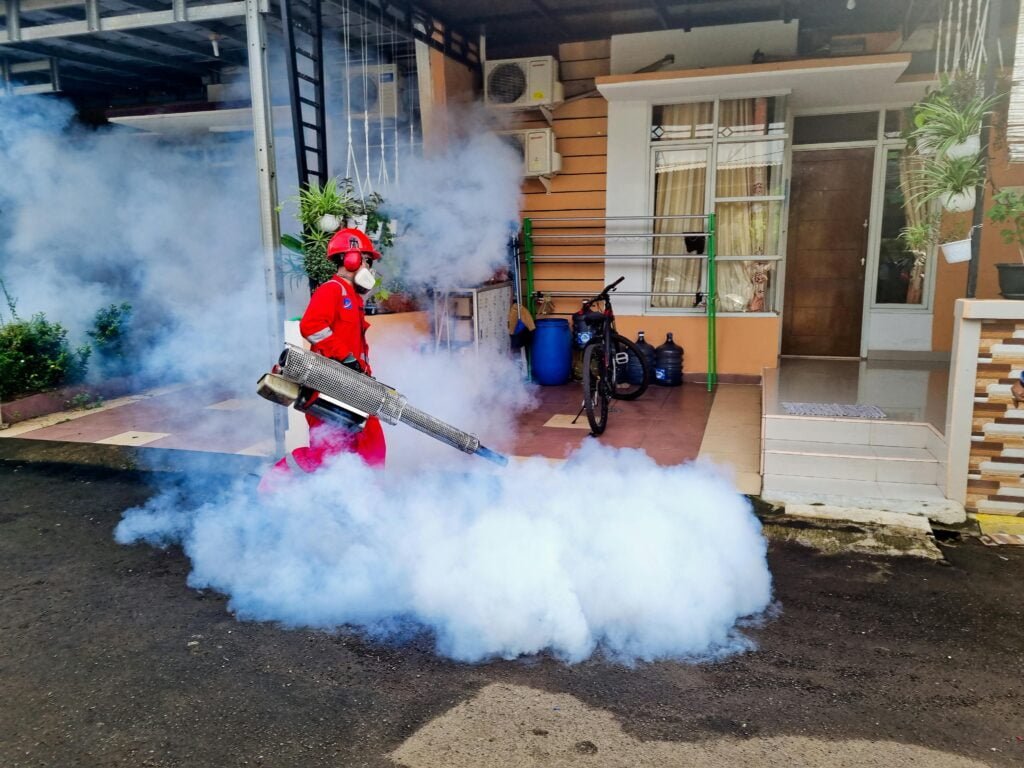
Eco-friendly pest control focuses on using natural methods and products to manage pests without relying on harmful chemicals.
These solutions not only protect the environment but also ensure the safety of your family, pets, and beneficial wildlife.
Benefits of Eco-Friendly Pest Control:
- Environmental Protection: Reduces the use of toxic chemicals that can contaminate soil, water, and air.
- Healthier Home: Minimizes exposure to harmful substances, reducing health risks.
- Sustainable: Promotes a balanced ecosystem by supporting beneficial insects and animals.
Affiliate Links:
2. Common Household Pests and Eco-Friendly Solutions
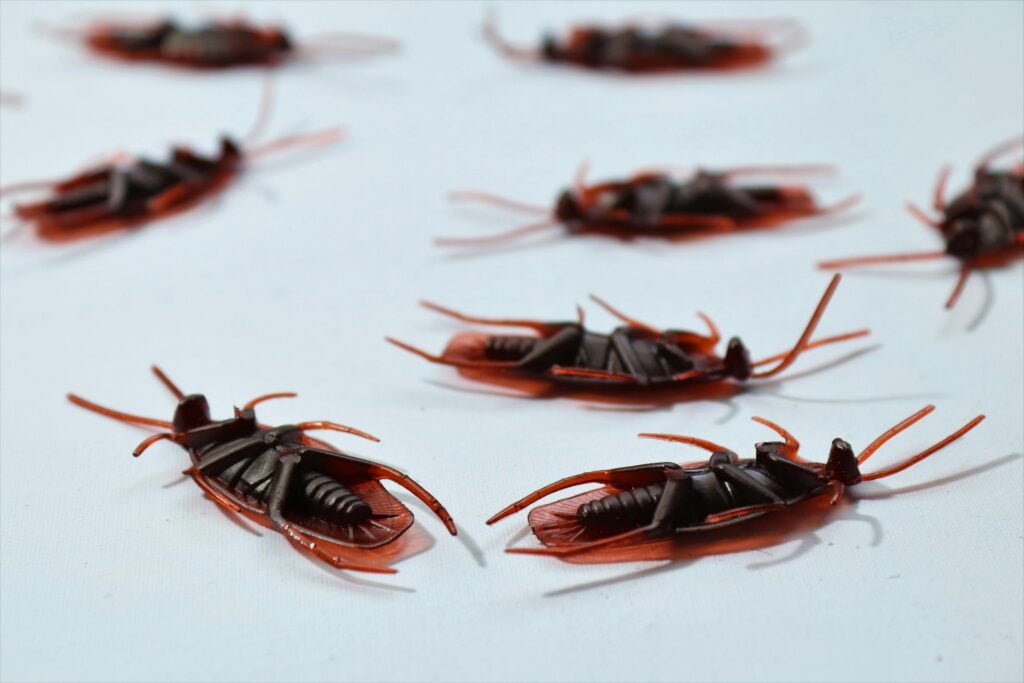
Ants:
Ants are common household pests that can be managed with natural deterrents and barriers.
Solutions:
- Diatomaceous Earth: Sprinkle food-grade diatomaceous earth around entry points and affected areas.
- Cinnamon: Use cinnamon powder or essential oil at entry points to repel ants.
- Vinegar: Clean surfaces with a solution of equal parts water and vinegar to disrupt ant trails.
Affiliate Links:
Cockroaches:
Cockroaches can be challenging to eliminate, but natural methods can help control their population.
Solutions:
- Boric Acid: Mix boric acid with sugar and place it in areas where cockroaches are active.
- Bay Leaves: Place bay leaves in cabinets and pantries to repel cockroaches.
- Neem Oil: Spray neem oil solution in cracks and crevices to deter cockroaches.
Affiliate Links:
Spiders:
Spiders are beneficial predators, but they can become a nuisance indoors.
Solutions:
- Peppermint Oil: Spray a mixture of water and peppermint oil around windows and doors.
- Cedarwood: Use cedarwood blocks or chips in closets and storage areas to repel spiders.
- Vinegar: Clean with vinegar solutions to remove webs and discourage spiders.
Affiliate Links:
Mosquitoes:
Mosquitoes are not only annoying but can also carry diseases.
Solutions:
- Lemon Eucalyptus Oil: Apply a natural repellent containing lemon eucalyptus oil to exposed skin.
- Mosquito Nets: Use mosquito nets around beds and outdoor seating areas.
- Standing Water: Eliminate standing water where mosquitoes breed.
Affiliate Links:
3. Eco-Friendly Pest Control for the Garden
Aphids:
Aphids can damage plants by sucking sap and spreading disease.
Solutions:
- Ladybugs: Release ladybugs in your garden to naturally control aphids.
- Neem Oil: Spray neem oil on affected plants to repel aphids.
- Garlic Spray: Make a garlic spray to deter aphids from plants.
Affiliate Links:
Slugs and Snails:
Slugs and snails can cause significant damage to plants, especially young seedlings.
Solutions:
- Copper Tape: Place copper tape around garden beds to repel slugs and snails.
- Beer Traps: Use shallow dishes of beer to attract and drown slugs.
- Eggshells: Crush eggshells and spread them around plants to deter slugs.
Affiliate Links:
Caterpillars:
Caterpillars can defoliate plants and reduce crop yields.
Solutions:
- Bacillus thuringiensis (Bt): Apply Bt, a natural bacterium that targets caterpillars.
- Handpicking: Remove caterpillars by hand and relocate them away from your garden.
- Neem Oil: Spray neem oil to deter caterpillars from feeding on plants.
Affiliate Links:
Rodents:
Rodents can damage crops and spread disease.
Solutions:
- Owl Boxes: Install owl boxes to attract owls, which prey on rodents.
- Peppermint Oil: Use peppermint oil-soaked cotton balls in rodent-prone areas.
- Live Traps: Use humane live traps to capture and relocate rodents.
Affiliate Links:
4. Natural Repellents and Deterrents
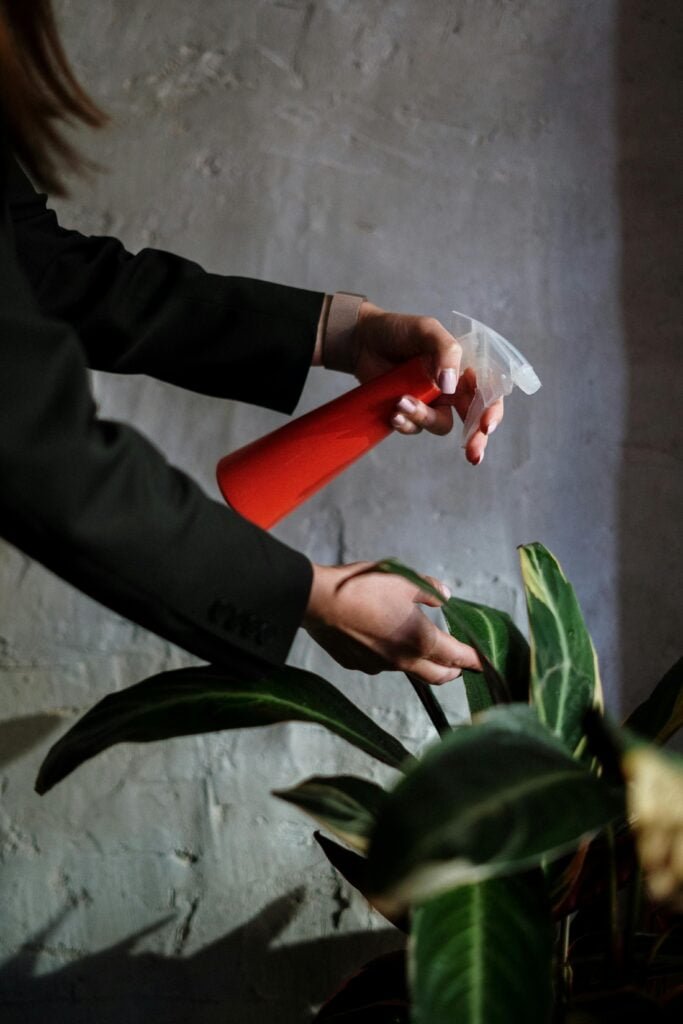
Essential Oils:
Essential oils can be powerful natural repellents for various pests.
Common Essential Oils:
- Peppermint Oil: Repels spiders, ants, and rodents.
- Lemon Eucalyptus Oil: Effective against mosquitoes and ticks.
- Lavender Oil: Repels moths, flies, and mosquitoes.
Affiliate Links:
Diatomaceous Earth:
Diatomaceous earth is a natural powder made from fossilized algae that can control a variety of pests.
Benefits:
- Non-Toxic: Safe for humans and pets.
- Effective: Kills insects by dehydrating them.
- Versatile: Can be used indoors and outdoors.
Affiliate Link:
Neem Oil:
Neem oil is derived from the seeds of the neem tree and is a natural insecticide.
Benefits:
- Biodegradable: Breaks down quickly in the environment.
- Broad-Spectrum: Effective against many pests.
- Safe: Low toxicity to humans and animals.
Affiliate Link:
Vinegar Solutions:
Vinegar can be used to deter pests and clean surfaces.
Benefits:
- Natural: Non-toxic and safe for home use.
- Multipurpose: Cleans and repels pests.
- Inexpensive: Affordable and widely available.
Affiliate Link:
5. Beneficial Insects and Animals
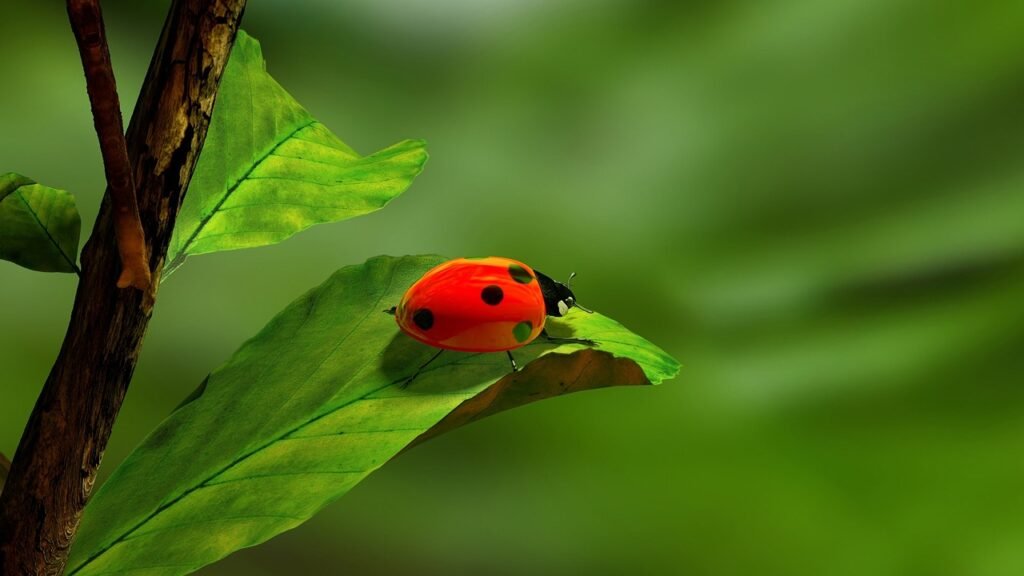
Ladybugs:
Ladybugs are natural predators of aphids, mites, and other soft-bodied insects.
Benefits:
- Natural Control: Reduces pest populations without chemicals.
- Safe: Harmless to plants and humans.
- Easy to Release: Available for purchase and easy to release in gardens.
Affiliate Link:
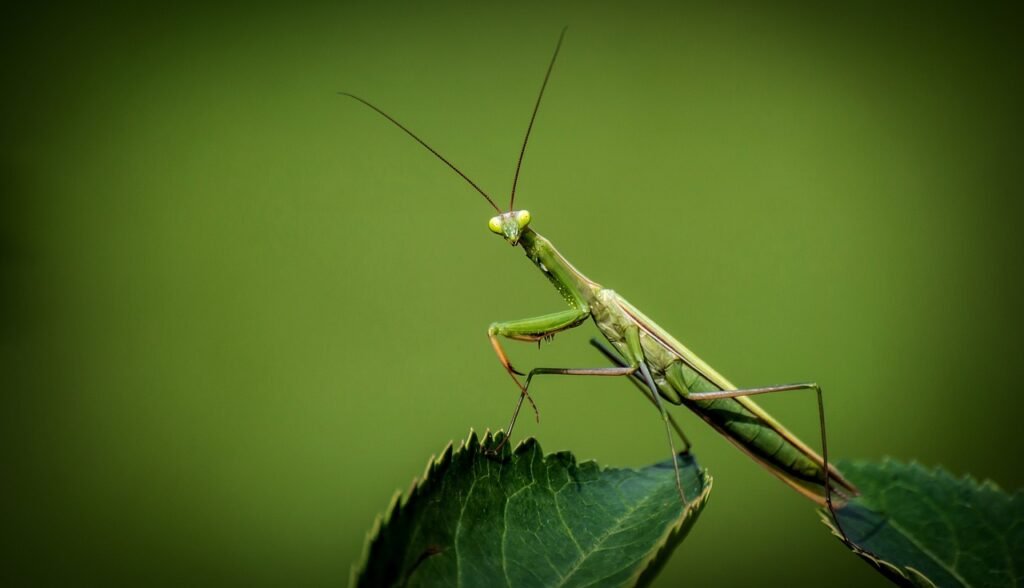
Praying Mantises:
Praying mantises are voracious predators that can control a variety of garden pests.
Benefits:
- Effective: Targets many common pests.
- Non-Toxic: Safe for organic gardening.
- Fascinating: Interesting to observe in the garden.
Affiliate Link:
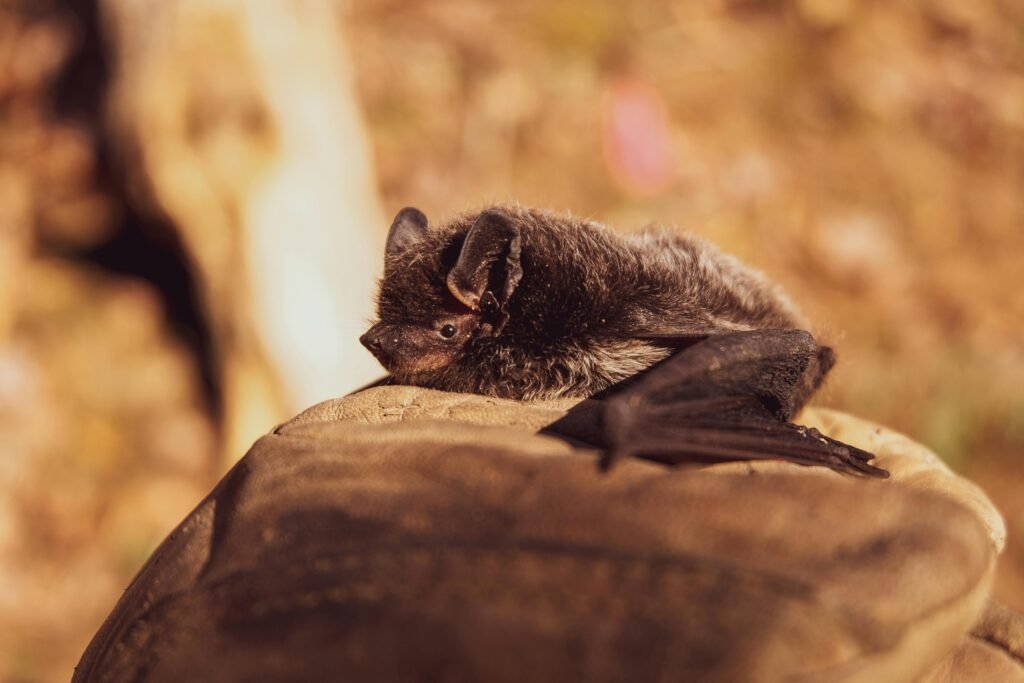
Bats:
Bats consume large quantities of insects, including mosquitoes.
Benefits:
- Natural Control: Reduces insect populations naturally.
- Eco-Friendly: Supports local ecosystems.
- Pollinators: Some bats help pollinate plants.
Affiliate Link:

Birds:
Many bird species feed on insects and pests.
Benefits:
- Natural Pest Control: Birds help control pest populations.
- Attractive: Adds beauty and sound to the garden.
- Pollinators: Birds can also aid in pollination.
Affiliate Link:
6. DIY Eco-Friendly Pest Control Recipes

Homemade Ant Repellent:
- Ingredients: 1 cup water, 1 cup white vinegar, 10 drops peppermint essential oil.
- Instructions: Mix ingredients in a spray bottle and spray around ant entry points.
Natural Cockroach Killer:
- Ingredients: Equal parts boric acid, sugar, and water.
- Instructions: Mix ingredients to form a paste and place in areas where cockroaches are active.
Mosquito-Repellent Spray:
- Ingredients: 1/2 cup witch hazel, 1/2 cup water, 30 drops lemon eucalyptus oil.
- Instructions: Mix ingredients in a spray bottle and apply to exposed skin.
Organic Garden Pesticide:
- Ingredients: 1 tablespoon neem oil, 1 teaspoon dish soap, 1 liter water.
- Instructions: Mix ingredients in a spray bottle and apply to plants.
Affiliate Links:
7. Eco-Friendly Pest Control Products
Indoor Pest Control:
- Eco-Friendly Ant Traps: Non-toxic traps that effectively eliminate ants.
- Natural Bug Spray: Safe for use around children and pets.
- Ultrasonic Pest Repellers: Devices that emit ultrasonic waves to repel pests.
Affiliate Links:
Outdoor Pest Control:
- Natural Mosquito Repellents: Citronella candles and sprays.
- Garden Insect Traps: Non-toxic traps for garden pests.
- Compostable Rodent Control: Eco-friendly rodent control options.
Affiliate Links:
Pet-Safe Solutions:
- Natural Flea and Tick Repellents: Safe for use on pets.
- Eco-Friendly Lice Treatments: Non-toxic lice treatments.
- Pet-Friendly Bug Sprays: Safe for use around pets.
Affiliate Links:
8. Maintaining a Pest-Free Home and Garden
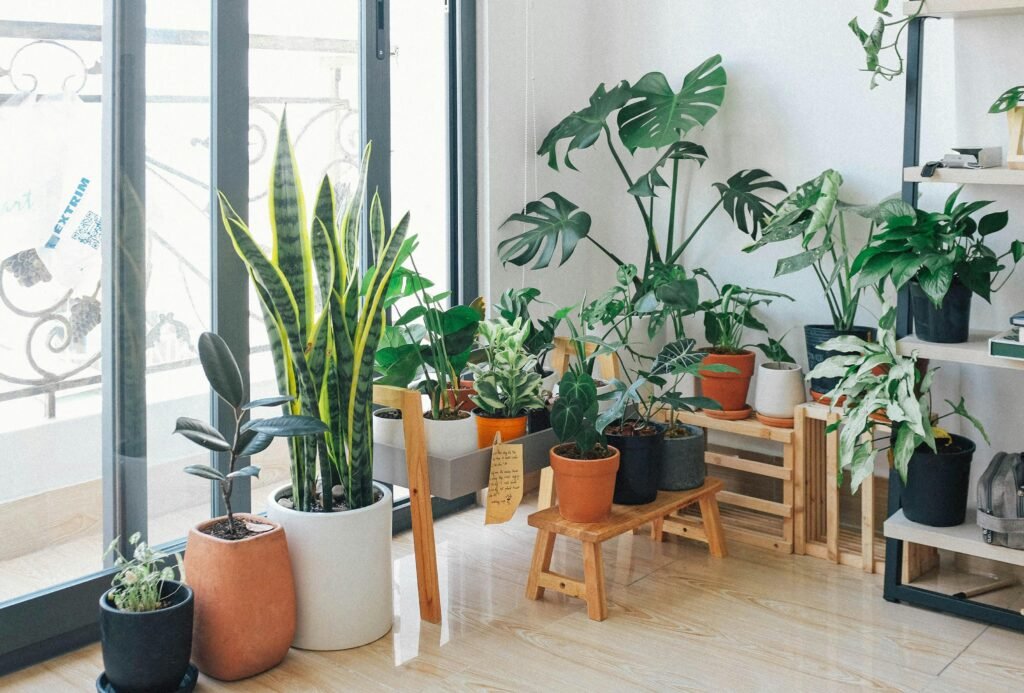
Preventative Measures:
- Seal Cracks and Holes: Prevent pests from entering your home.
- Clean Regularly: Keep your home clean to avoid attracting pests.
- Store Food Properly: Use airtight containers to store food.
Regular Maintenance:
- Inspect Regularly: Check for signs of pests and address issues promptly.
- Prune Plants: Keep plants healthy and free from pests.
- Remove Debris: Clear garden debris where pests may hide.
Seasonal Tips:
- Spring: Plant pest-repellent flowers and herbs.
- Summer: Use natural mosquito repellents.
- Fall: Seal your home against rodent entry.
- Winter: Keep indoor plants pest-free with natural solutions.
Affiliate Links:
9. Expert Advice on Eco-Friendly Pest Control

Dr. Jane Smith, Entomologist:
“Eco-friendly pest control methods are not only effective but also essential for maintaining a balanced ecosystem. By using natural solutions, we can protect beneficial insects and reduce environmental impact.”
Michael Johnson, Organic Gardener:
“Integrating natural pest control methods into your gardening routine can lead to healthier plants and a more sustainable garden. It’s about working with nature, not against it.”
Affiliate Links:
10. Conclusion: Embrace Natural Solutions for a Healthier Environment
Eco-friendly pest control solutions offer effective and sustainable ways to protect your home and garden from pests.
By using natural repellents, encouraging beneficial insects, and adopting preventative measures, you can create a healthier environment for your family and the planet.
Start by integrating some of the solutions and products mentioned in this guide into your pest control routine. Small changes can lead to significant benefits, helping you achieve a pest-free space without harming the environment.
Thank you for reading this comprehensive guide. If you found it helpful, please share it with your friends and family to promote eco-friendly pest control practices.