Renovating your home can be an exciting but daunting task, especially if you’re aiming to make it more sustainable.
Sustainable home renovations not only reduce your environmental footprint but also create a healthier living space and can even save you money in the long run.
Whether you’re planning a major overhaul or just a few small changes, this guide is here to help.
Let’s dive into some tips and ideas to make your home renovation as eco-friendly as possible.
1. Plan Ahead and Set Goals

Before you start tearing down walls or picking out paint colors, it’s crucial to plan your renovation carefully and set clear sustainability goals.
Think about what you want to achieve and how each decision can impact the environment.
Example:
Imagine you’re planning to renovate your kitchen. Your goals might include reducing energy consumption, using sustainable materials, and minimizing waste. Write these down and keep them in mind as you make decisions.
Tips:
- Research: Spend time researching sustainable practices and materials. The more informed you are, the better decisions you’ll make.
- Budget: Set a budget that includes potential costs for sustainable materials, energy-efficient appliances, and professional advice if needed.
- Timeline: Consider a realistic timeline. Sustainable renovations might take a bit longer, especially if you’re sourcing specific materials.
2. Choose Sustainable Materials

One of the biggest impacts you can make during a renovation is choosing sustainable materials.
This includes everything from flooring and countertops to insulation and paint.
Sustainable Materials to Consider:
- Reclaimed Wood: Perfect for flooring, beams, or even countertops. It adds character and reduces the demand for new timber.
- Bamboo: A fast-growing, renewable resource that’s great for flooring and cabinetry.
- Recycled Metal: Ideal for roofing, countertops, and even furniture. Using recycled metal reduces the need for mining and lowers environmental impact.
- Natural Stone: Durable and long-lasting. Look for locally sourced stone to reduce transportation emissions.
- Low-VOC Paint: Traditional paints release volatile organic compounds (VOCs) that can harm indoor air quality. Low-VOC or zero-VOC paints are a healthier alternative.
Example:
Sarah, a homeowner in Portland, decided to use reclaimed wood for her new dining room floor. She loved the rustic look and felt good knowing she was giving old wood a new life.
Tips:
- Ask Questions: When purchasing materials, ask suppliers about their sustainability practices and certifications.
- Look Local: Whenever possible, choose locally sourced materials to reduce transportation emissions.
- Think Long-Term: Opt for materials that are durable and will last for many years, reducing the need for future replacements.
3. Improve Energy Efficiency

Energy efficiency is a cornerstone of any sustainable renovation.
By improving your home’s energy efficiency, you’ll reduce your carbon footprint and save money on utility bills.
Steps to Improve Energy Efficiency:
- Upgrade Insulation: Proper insulation reduces the need for heating and cooling. Consider eco-friendly options like recycled denim or cellulose insulation.
- Install Energy-Efficient Windows: Double or triple-glazed windows provide better insulation and reduce energy loss.
- Seal Leaks: Seal gaps around doors, windows, and other openings to prevent drafts and improve energy efficiency.
- Choose Energy-Efficient Appliances: Look for Energy Star-rated appliances that use less energy and water.
- Consider Solar Panels: If it’s within your budget, solar panels are a great way to generate renewable energy and reduce reliance on the grid.
Example:
John and Lisa, a couple from California, decided to replace their old single-pane windows with energy-efficient double-pane windows. They noticed a significant drop in their energy bills and felt more comfortable during both winter and summer.
Tips:
- Get an Energy Audit: A professional energy audit can identify areas where your home is losing energy and suggest improvements.
- Prioritize: If you’re on a tight budget, prioritize the improvements that will have the biggest impact, like insulation and windows.
- Incentives: Look into federal, state, or local incentives for energy-efficient upgrades. These can often offset some of the costs.
4. Reduce, Reuse, Recycle
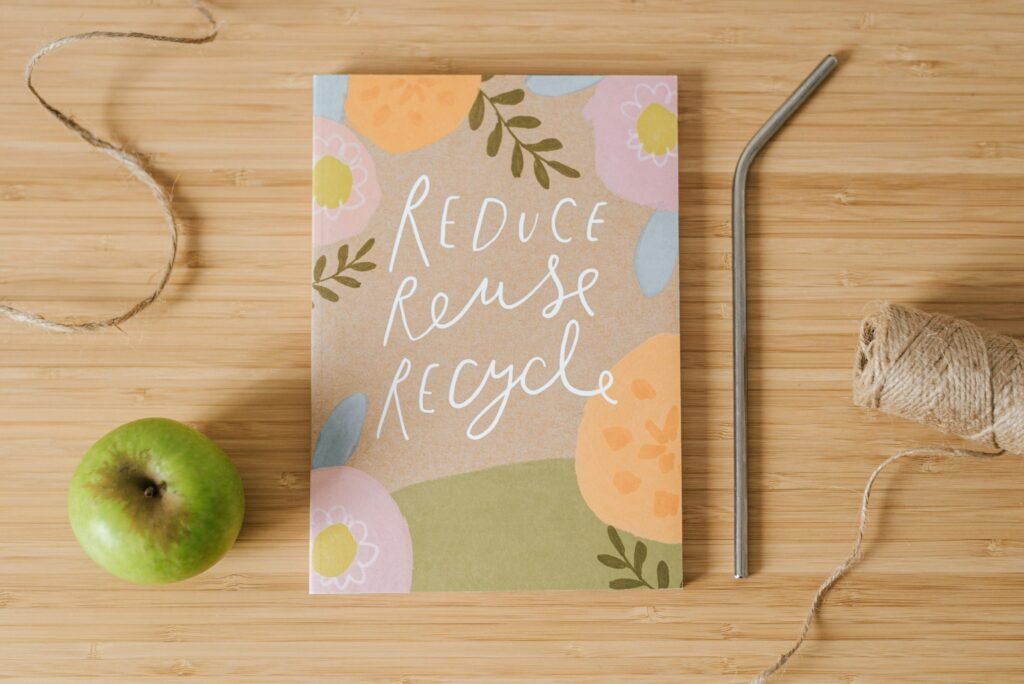
Renovations can generate a lot of waste, but with a bit of planning, you can minimize it.
The mantra of reduce, reuse, and recycle is key to a sustainable renovation.
Tips for Reducing Waste:
- Plan Carefully: Measure twice, cut once. Accurate measurements reduce mistakes and waste.
- Deconstruct Instead of Demolish: Carefully deconstructing allows you to salvage and reuse materials.
- Donate Unwanted Items: Donate fixtures, cabinets, and appliances that are still in good condition to organizations like Habitat for Humanity.
- Use Recycled Materials: Whenever possible, choose recycled materials for your renovation.
Example:
Emily, a DIY enthusiast from Denver, decided to deconstruct her old kitchen instead of demolishing it. She donated the cabinets and appliances to a local charity and reused some of the wood for her new kitchen island.
Tips:
- Salvage Shops: Visit salvage shops and architectural reuse centers for unique materials and fixtures.
- Recycling Programs: Check if your local waste management company offers recycling programs for construction waste.
- Creative Reuse: Get creative with how you reuse materials. Old doors can become tables, and leftover tiles can create beautiful mosaics.
5. Consider Water Conservation

Water conservation is an important aspect of a sustainable renovation.
By incorporating water-saving fixtures and practices, you can reduce water consumption and lower your utility bills.
Water-Saving Fixtures and Practices:
- Low-Flow Fixtures: Install low-flow faucets, showerheads, and toilets to reduce water usage without sacrificing performance.
- Greywater Systems: Consider installing a greywater system to reuse water from sinks, showers, and laundry for irrigation.
- Rainwater Harvesting: Collect rainwater for use in your garden or landscaping.
- Efficient Landscaping: Choose drought-tolerant plants and use efficient irrigation systems like drip irrigation.
Example:
Tom and Nancy, homeowners in Arizona, installed a greywater system during their bathroom renovation.
They now use the recycled water to irrigate their garden, saving thousands of gallons of water each year.
Tips:
- Research: Look into the best water-saving fixtures and systems for your home and climate.
- Professional Help: Consider hiring a professional to design and install more complex systems like greywater or rainwater harvesting.
- Education: Educate your family about water conservation practices to maximize the impact of your efforts.
6. Indoor Air Quality Matters

Improving indoor air quality is crucial for a healthy home.
Many building materials and finishes can release harmful chemicals, so it’s important to choose products that contribute to a healthier indoor environment.
Tips for Improving Indoor Air Quality:
- Low-VOC Materials: Choose low-VOC paints, adhesives, and sealants.
- Natural Materials: Opt for natural materials like wood, stone, and wool, which are less likely to off-gas harmful chemicals.
- Ventilation: Ensure proper ventilation to reduce indoor air pollutants. Consider installing an energy recovery ventilator (ERV) or heat recovery ventilator (HRV).
- Houseplants: Use houseplants to naturally purify the air. Plants like spider plants, peace lilies, and snake plants are great choices.
Example:
Jessica, a mother of two in Seattle, chose low-VOC paint and natural wool carpet for her children’s bedrooms. She also added several air-purifying plants to each room. Her family noticed a significant improvement in air quality and fewer allergy symptoms.
Tips:
- Read Labels: Always check product labels for VOC content and other potentially harmful chemicals.
- Air Out: Allow new materials and furniture to air out before bringing them into your home.
- Regular Cleaning: Regularly clean and dust to reduce indoor pollutants and allergens.
7. Lighting and Natural Light

Good lighting is essential for any home, but it’s also an opportunity to enhance sustainability.
By using energy-efficient lighting and maximizing natural light, you can reduce energy consumption and create a more pleasant living environment.
Tips for Sustainable Lighting:
- LED Bulbs: Replace incandescent bulbs with energy-efficient LED bulbs. They use less energy and last longer.
- Smart Lighting: Use smart lighting systems to control lights remotely and set schedules.
- Natural Light: Maximize natural light with larger windows, skylights, and light tubes. Use light-colored walls and reflective surfaces to enhance natural light.
Example:
Mark and Lisa, homeowners in Boston, installed skylights and light tubes in their home to increase natural light. They also replaced all their light bulbs with LEDs and installed smart lighting controls. Their home feels brighter, and they’ve seen a noticeable drop in their energy bills.
Tips:
- Dimmer Switches: Install dimmer switches to adjust lighting levels and save energy.
- Daylight Sensors: Use daylight sensors to automatically adjust artificial lighting based on the amount of natural light.
- Placement: Think about the placement of your lighting to ensure it’s effective and efficient.
8. Sustainable Heating and Cooling

Heating and cooling account for a significant portion of home energy use.
By choosing sustainable options, you can reduce energy consumption and create a more comfortable living environment.
Sustainable Heating and Cooling Options:
- Geothermal Heating and Cooling: Uses the earth’s stable temperature to heat and cool your home. It’s highly efficient but has a higher upfront cost.
- Heat Pumps: Air-source and ground-source heat pumps are efficient alternatives to traditional HVAC systems.
- Radiant Floor Heating: Provides consistent, comfortable heat with lower energy consumption.
- Smart Thermostats: Use smart thermostats to optimize heating and cooling schedules and reduce energy waste.
Example:
Paul and Rachel, a couple from Vermont, installed a geothermal heating and cooling system during their renovation. They love the consistent comfort and lower energy bills, and they feel good knowing they’re using a sustainable energy source.
Tips:
- Maintenance: Regularly maintain your heating and cooling systems to ensure they operate efficiently.
- Insulation: Proper insulation and sealing are crucial for maximizing the efficiency of your heating and cooling systems.
- Zoning: Consider zoning your HVAC system to heat and cool specific areas of your home as needed.
9. Sustainable Furniture and Decor

The choices you make for furniture and decor can also contribute to a sustainable home.
Look for pieces that are made from sustainable materials and have a low environmental impact.
Tips for Sustainable Furniture and Decor:
- Reclaimed and Recycled: Choose furniture made from reclaimed wood or recycled materials.
- Natural Materials: Opt for natural materials like wood, bamboo, wool, and organic cotton.
- Secondhand: Buy secondhand or vintage furniture to reduce waste and support a circular economy.
- Eco-Friendly Finishes: Look for furniture with non-toxic finishes and treatments.
Example:
Anna, an interior design enthusiast, furnished her living room with a mix of vintage pieces and new furniture made from reclaimed wood. She added organic cotton cushions and a wool rug, creating a cozy and sustainable space.
Tips:
- Quality Over Quantity: Invest in high-quality pieces that will last longer and reduce the need for replacements.
- Local Artisans: Support local artisans and makers who use sustainable practices.
- DIY: Consider DIY projects to upcycle or repurpose old furniture and decor.
10. Educate Yourself and Others

Sustainable renovation is an ongoing learning process.
Stay informed about new materials, technologies, and practices, and share your knowledge with others.
Ways to Stay Informed:
- Online Resources: Follow blogs, websites, and social media accounts dedicated to sustainable living and home renovation.
- Workshops and Courses: Attend workshops and courses on sustainable building and renovation practices.
- Books and Magazines: Read books and magazines focused on eco-friendly home design and renovation.
Example:
James, a DIY enthusiast, regularly attends local workshops on sustainable building practices. He enjoys learning new techniques and sharing his knowledge with friends and family. His passion for sustainability has inspired others in his community to consider eco-friendly renovations.
Tips:
- Join Communities: Join online forums and local groups focused on sustainable living and home improvement.
- Volunteer: Volunteer with organizations that promote sustainable building and renovation practices.
- Share Your Journey: Document your renovation journey on social media or a blog to inspire and educate others.
Conclusion
Renovating your home sustainably is a rewarding and impactful way to create a healthier living space and reduce your environmental footprint.
By planning carefully, choosing sustainable materials, improving energy efficiency, reducing waste, and considering water conservation, you can make a significant difference.
Remember, every small step counts. Whether you’re making a few minor changes or undertaking a major renovation, your efforts contribute to a more sustainable future.
So, roll up your sleeves, get creative, and enjoy the process of transforming your home into an eco-friendly haven.
If you found this guide helpful, share it with your friends and family. Together, we can make a difference by adopting sustainable renovation practices and promoting a healthier planet.