

Creating a zero-waste kitchen is a fantastic way to reduce your environmental footprint, save money, and promote a healthier lifestyle.
By making thoughtful changes and adopting sustainable habits, you can significantly reduce the amount of waste your kitchen produces.
This comprehensive guide will provide you with actionable steps, tips, and product recommendations to help you achieve a zero-waste kitchen.
Table of Contents
- Understanding Zero-Waste Living
- Assessing Your Current Kitchen Waste
- Essential Tools for a Zero-Waste Kitchen
- Shopping and Storage Strategies
- Food Preparation and Cooking Tips
- Managing Food Waste
- Cleaning and Maintenance
- Product Recommendations
- Conclusion
1. Understanding Zero-Waste Living
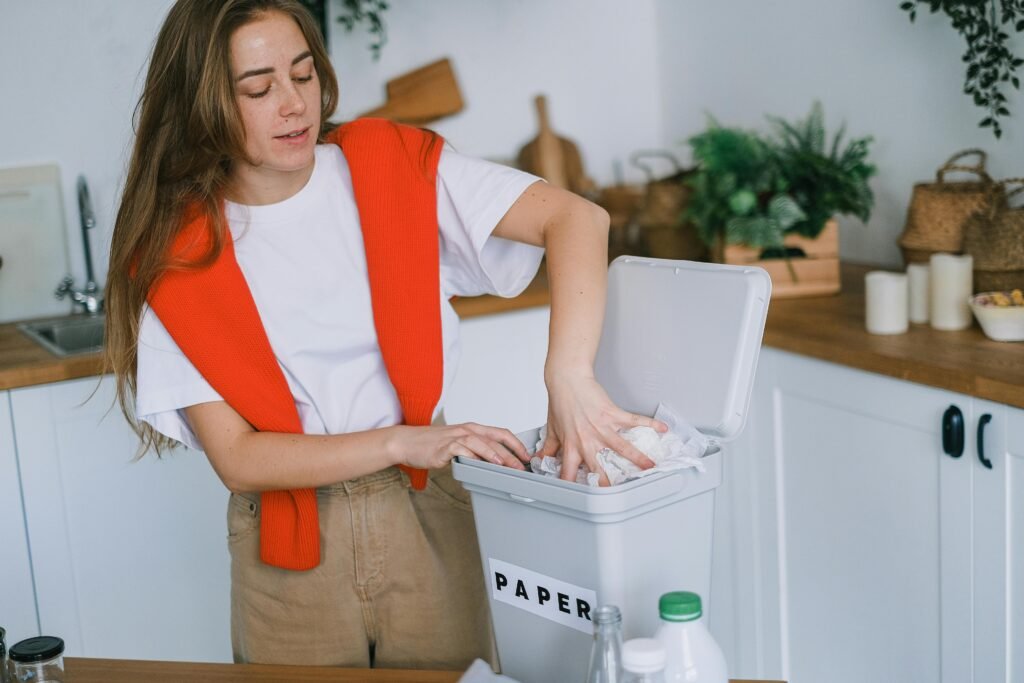
What is Zero-Waste Living?
Zero-waste living aims to minimize waste by rethinking how we produce, consume, and dispose of products.
The goal is to send as little waste as possible to landfills, incinerators, or the ocean. Instead, materials are reused, recycled, or composted.
Benefits of a Zero-Waste Kitchen:
- Environmental Impact: Reduces pollution and conserves natural resources.
- Healthier Choices: Encourages the use of fresh, unpackaged foods and natural cleaning products.
- Cost Savings: Buying in bulk and reducing waste can save money in the long run.
- Mindful Living: Promotes a more intentional and sustainable lifestyle.
2. Assessing Your Current Kitchen Waste
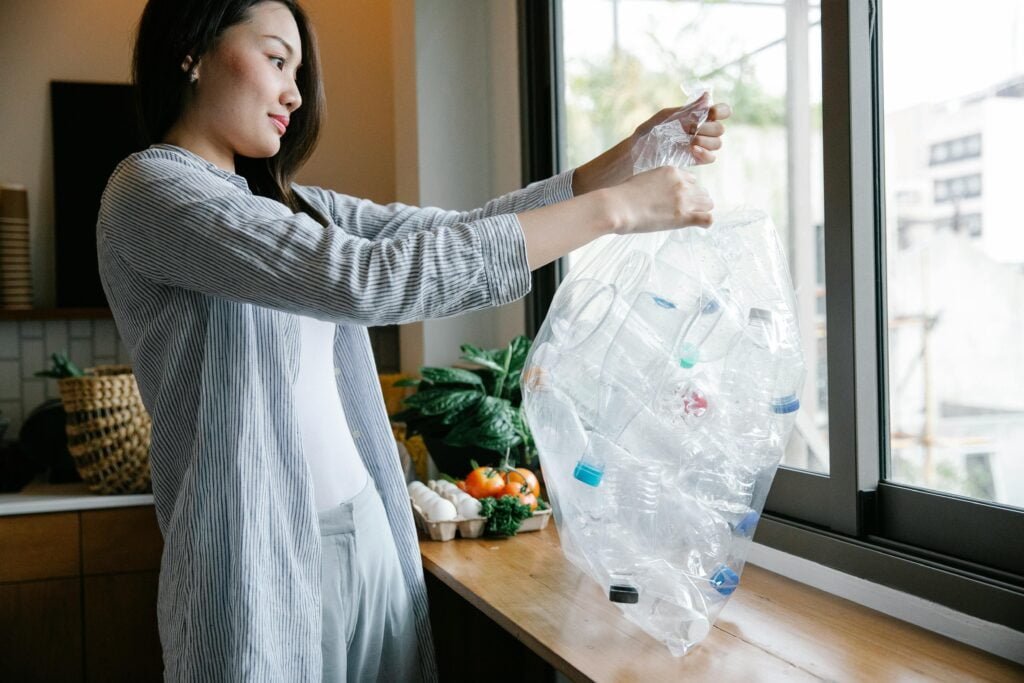
Before you start making changes, it’s essential to understand what types of waste your kitchen produces.
This will help you identify areas for improvement and track your progress.
Step-by-Step Waste Audit:
- Collect Waste: Over a week, collect and categorize all kitchen waste. Use separate bins for recyclables, compostables, and landfill waste.
- Analyze: Review the contents of each bin to identify the most significant sources of waste. Common categories include food scraps, plastic packaging, paper products, and single-use items.
- Set Goals: Based on your findings, set specific goals for reducing each type of waste.
Example:
Sarah conducted a waste audit and found that a large portion of her kitchen waste came from plastic packaging. She set a goal to reduce plastic waste by 50% within three months by buying in bulk and using reusable containers.
3. Essential Tools for a Zero-Waste Kitchen
Must-Have Tools and Their Uses:
- Reusable Shopping Bags: Essential for avoiding single-use plastic bags. Use them for grocery shopping and produce.
- Glass Jars and Containers: Perfect for storing bulk items, leftovers, and homemade products.
- Beeswax Wraps: An eco-friendly alternative to plastic wrap for covering food.
- Compost Bin: For collecting food scraps and compostable materials.
- Reusable Produce Bags: Ideal for buying and storing fresh produce without plastic.
- Stainless Steel Containers: Durable and reusable for lunches and leftovers.
- Cloth Towels and Napkins: Replace paper towels and napkins with reusable cloth alternatives.
Example:
Mark equipped his kitchen with glass storage jars, beeswax wraps, and a countertop compost bin. These simple changes helped him significantly reduce his reliance on plastic and disposable products.
4. Shopping and Storage Strategies

4.1 Buy in Bulk
Buying in bulk reduces packaging waste and can be more economical.
Look for stores that offer bulk sections where you can fill your own containers.
Tips:
- Bring Your Containers: Use reusable bags, jars, and containers for bulk items.
- Plan Ahead: Make a list of items you need and the containers you’ll use.
- Shop Local: Support local farmers and bulk stores to reduce transportation emissions.
4.2 Store Food Properly
Proper food storage helps keep food fresh longer, reducing waste from spoilage.
Storage Tips:
- Glass Jars: Store dry goods like grains, nuts, and spices in glass jars.
- Beeswax Wraps: Use beeswax wraps for cheese, fruits, and vegetables.
- Cloth Bags: Store bread in cloth bags to keep it fresh.
4.3 Avoid Single-Use Packaging
Choose products with minimal or no packaging. Opt for fresh produce, bulk items, and products in recyclable or compostable packaging.
Example:
Emily started shopping at her local farmers’ market, bringing her own produce bags and glass jars. She found that not only did she reduce plastic waste, but she also enjoyed fresher and higher-quality food.
5. Food Preparation and Cooking Tips
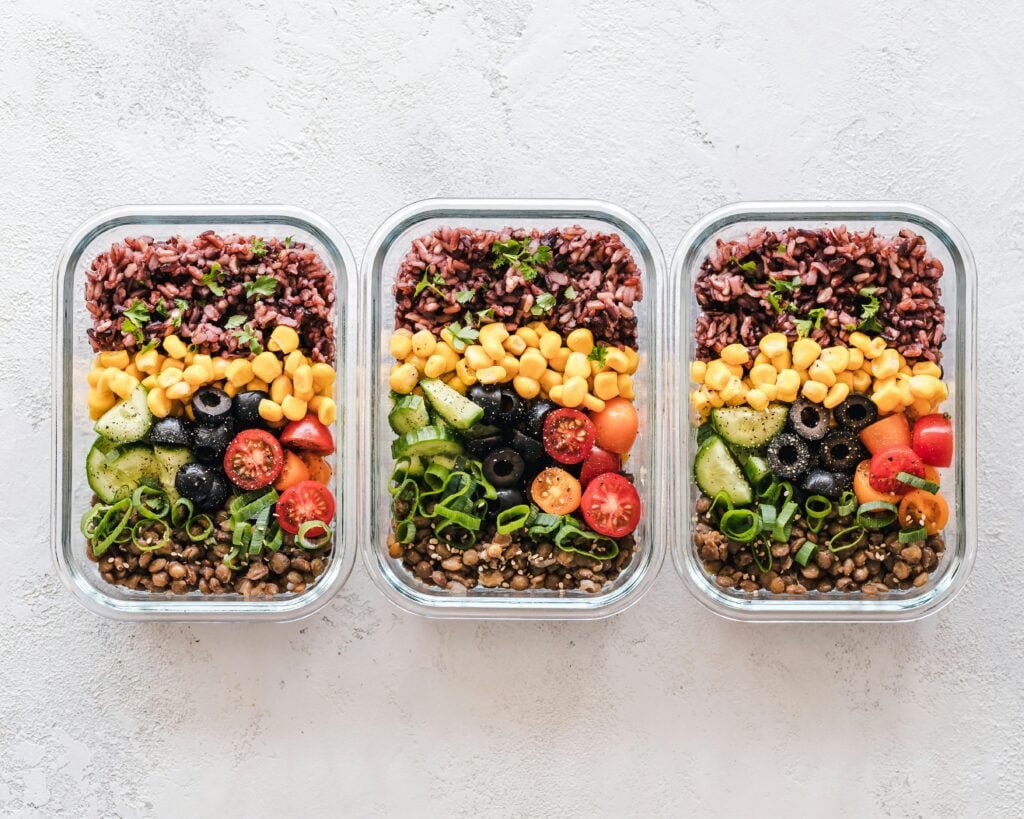
5.1 Meal Planning
Planning your meals helps reduce food waste and ensures you use what you buy.
Tips for Effective Meal Planning:
- Make a List: Plan your meals for the week and create a shopping list to avoid impulse purchases.
- Batch Cooking: Cook in batches and freeze portions for later use.
- Use Leftovers: Plan meals that can incorporate leftovers to minimize waste.
5.2 DIY Food Preparation
Making your own food products reduces packaging waste and allows you to control ingredients.
DIY Ideas:
- Homemade Bread: Bake your own bread to avoid plastic packaging.
- Nut Butters: Make nut butters at home using bulk nuts.
- Yogurt: Create homemade yogurt in reusable containers.
5.3 Minimize Food Waste
Use every part of your food to reduce waste.
Tips:
- Vegetable Scraps: Save vegetable scraps for making broth.
- Fruit Peels: Use citrus peels to make cleaning products or infused water.
- Stale Bread: Turn stale bread into croutons or breadcrumbs.
Example:
Tom started making his own bread and nut butters at home. He loved experimenting with different recipes and flavors, and he appreciated the reduction in packaging waste.
6. Managing Food Waste
6.1 Composting
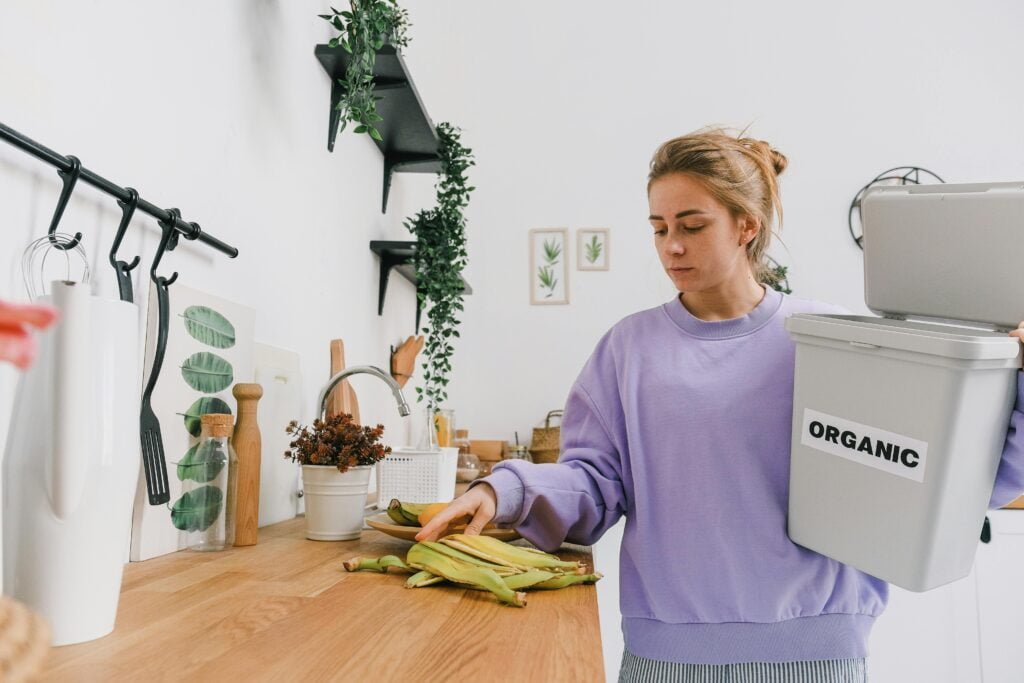
Composting is an excellent way to manage food waste and create nutrient-rich soil for your garden.
How to Compost:
- Set Up: Choose a compost bin or pile in a convenient location.
- Add Materials: Alternate layers of green materials (food scraps) and brown materials (dry leaves, paper).
- Maintain: Turn the compost regularly and keep it moist.
6.2 Creative Food Waste Solutions
Find creative ways to use food scraps and reduce waste.
Ideas:
- Regrow Vegetables: Regrow green onions, lettuce, and celery from kitchen scraps.
- Fruit Peels: Use peels to make natural cleaners or infused water.
- Stems and Leaves: Add stems and leaves to smoothies or soups.
Example:
Linda set up a small compost bin in her backyard and started composting her food scraps. She also began regrowing vegetables from kitchen scraps, which provided her with fresh produce and reduced waste.
7. Cleaning and Maintenance
7.1 Natural Cleaning Products
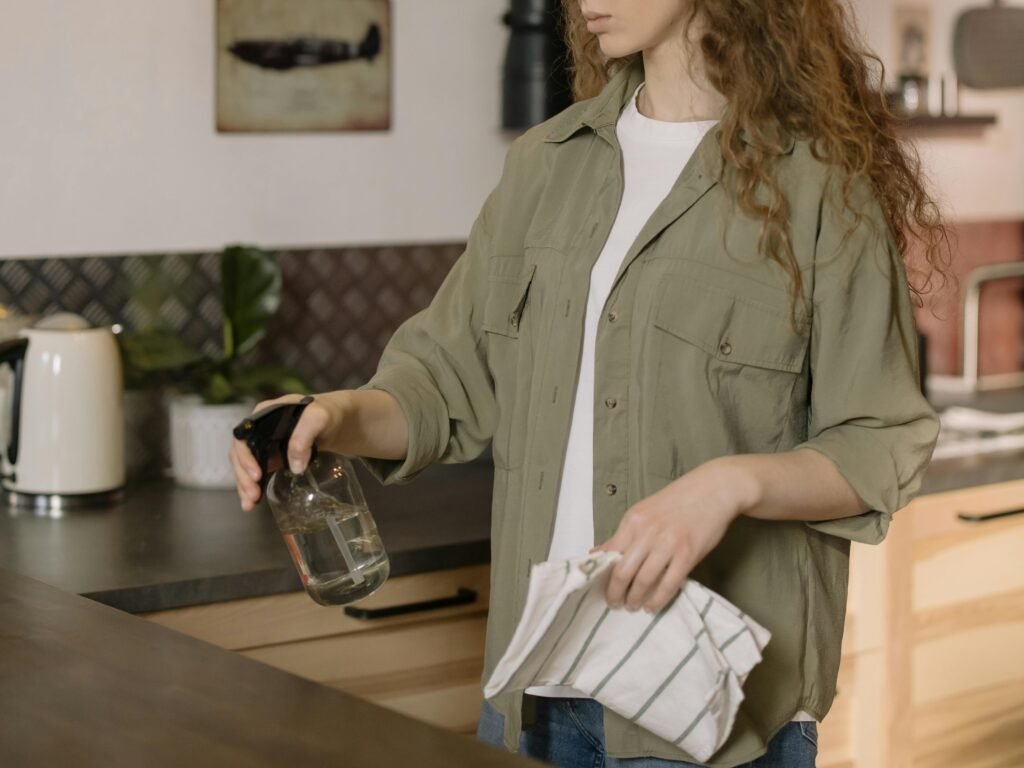
Switch to natural cleaning products to reduce chemical use and packaging waste.
Homemade Cleaning Recipes:
- All-Purpose Cleaner: Mix equal parts vinegar and water, add a few drops of essential oil.
- Glass Cleaner: Mix 1 cup water, 1 cup vinegar, and 1 tablespoon cornstarch.
- Scouring Powder: Combine baking soda and salt for a natural scrub.
7.2 Reusable Cleaning Tools
Replace disposable cleaning products with reusable alternatives.
Tools to Consider:
- Cloth Towels: Use cloth towels instead of paper towels.
- Reusable Sponges: Choose natural, biodegradable sponges.
- Bamboo Brushes: Use bamboo brushes for scrubbing dishes and surfaces.
Example:
Rachel switched to natural cleaning products and reusable cloth towels. She found that her home smelled fresher, and she felt good about reducing chemical exposure and waste.
8. Product Recommendations
Glass Storage Jars
Why You Need Them: Glass jars are versatile for storing bulk items, leftovers, and homemade products. They are durable, non-toxic, and visually appealing.
Recommended Product:
- Glass Storage Jars with Airtight Lids: These jars are perfect for keeping food fresh and organized. Affiliate Link: Glass Storage Jars
Beeswax Wraps
Why You Need Them: Beeswax wraps are a sustainable alternative to plastic wrap. They are reusable, washable, and compostable.
Recommended Product:
- Beeswax Food Wraps: These wraps are great for covering bowls, wrapping cheese, and storing produce. Affiliate Link: Beeswax Wraps
Compost Bin
Why You Need It: A compost bin is essential for collecting food scraps and compostable materials, reducing landfill waste.
Recommended Product:
- Countertop Compost Bin: This bin is stylish and functional, perfect for keeping on your kitchen counter. Affiliate Link: Countertop Compost Bin
Stainless Steel Containers
Why You Need Them: Stainless steel containers are durable, reusable, and perfect for storing leftovers and packed lunches.
Recommended Product:
- Stainless Steel Food Containers: These containers are leak-proof and come in various sizes. Affiliate Link: Stainless Steel Containers
Reusable Produce Bags
Why You Need Them: Reusable produce bags help you avoid single-use plastic bags when shopping for fruits and vegetables.
Recommended Product:
- Reusable Produce Bags: These bags are lightweight, washable, and come in different sizes. Affiliate Link: Reusable Produce Bags
9. Conclusion
Creating a zero-waste kitchen is a journey that involves making mindful choices and adopting sustainable habits.
By assessing your current waste, equipping your kitchen with essential tools, and implementing strategies for shopping, storage, and food preparation, you can significantly reduce your kitchen’s environmental impact.
Remember, every small change counts. Start with one or two changes and gradually incorporate more sustainable practices into your routine. By doing so, you’ll not only reduce waste but also create a healthier and more efficient kitchen.
If you found this guide helpful, share it with your friends and family. Together, we can make a positive impact on our planet, one kitchen at a time.