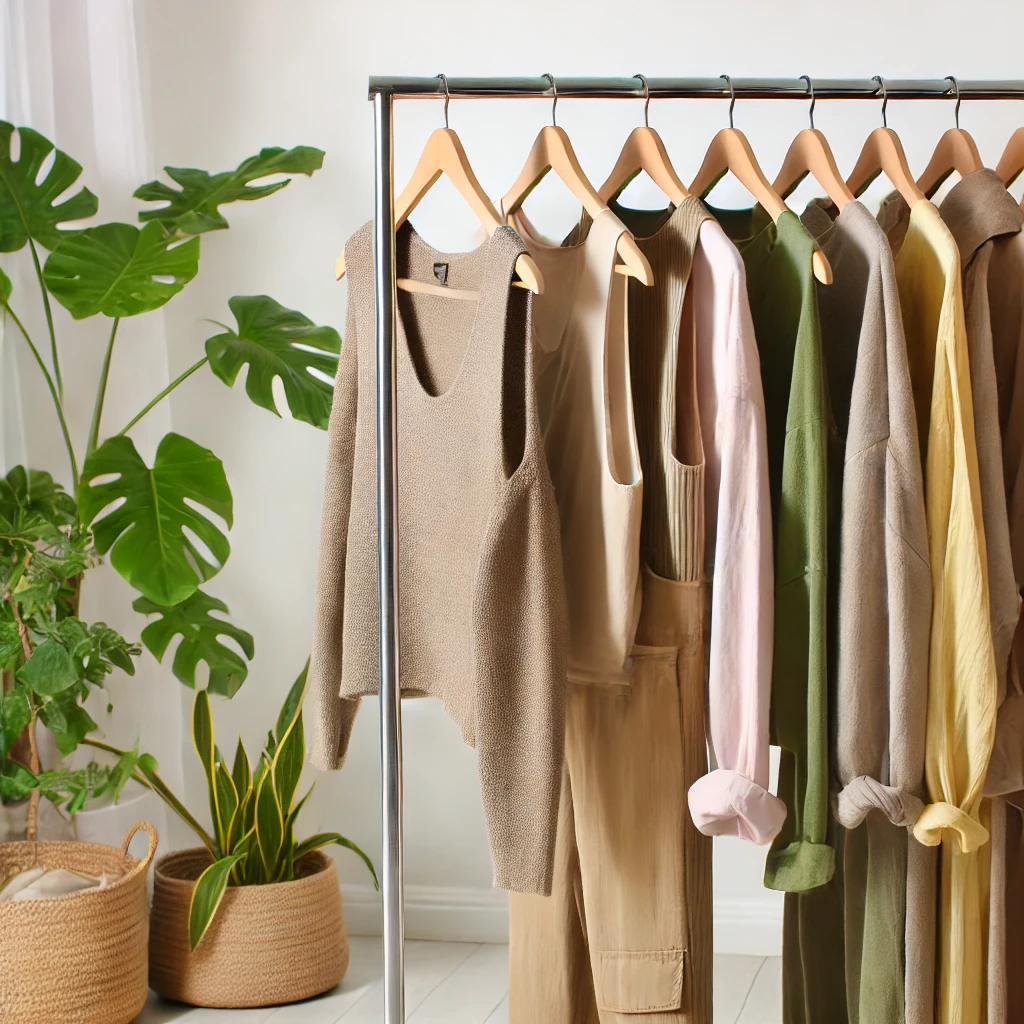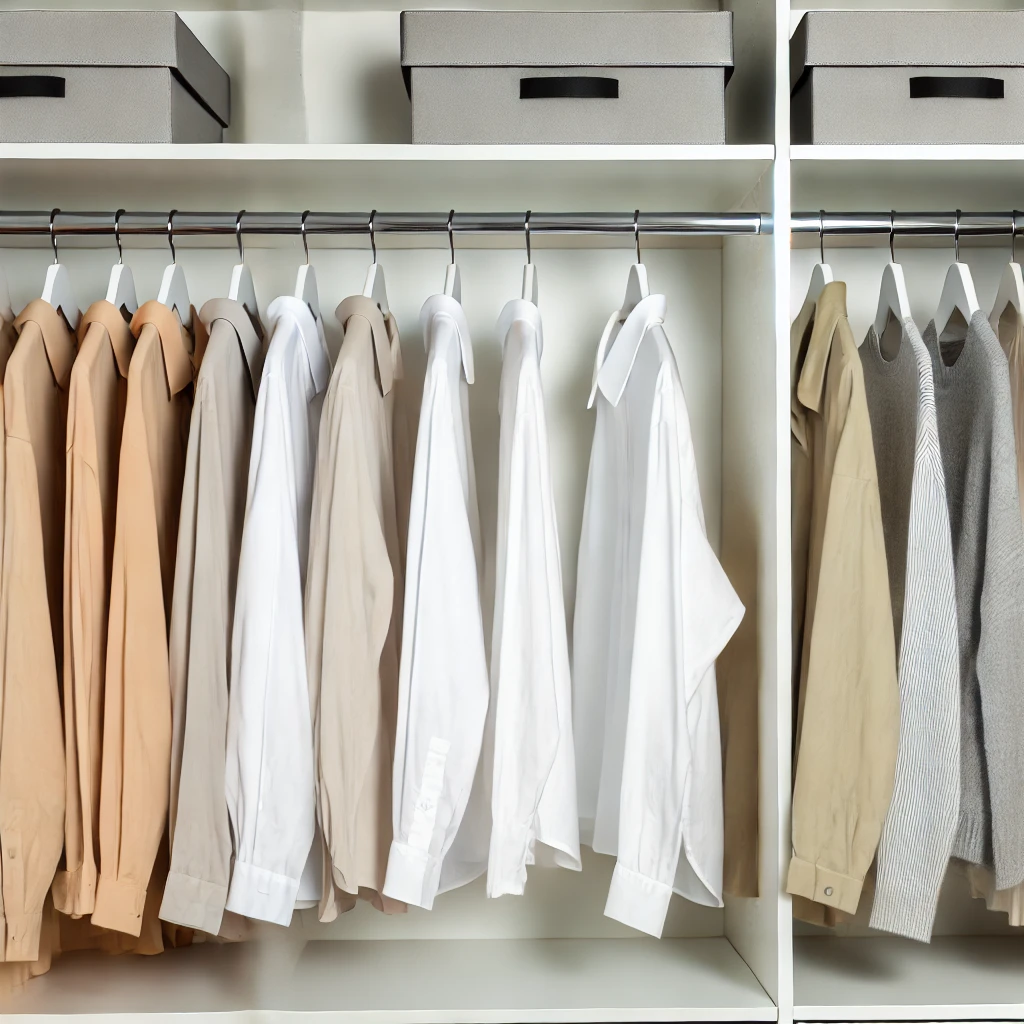
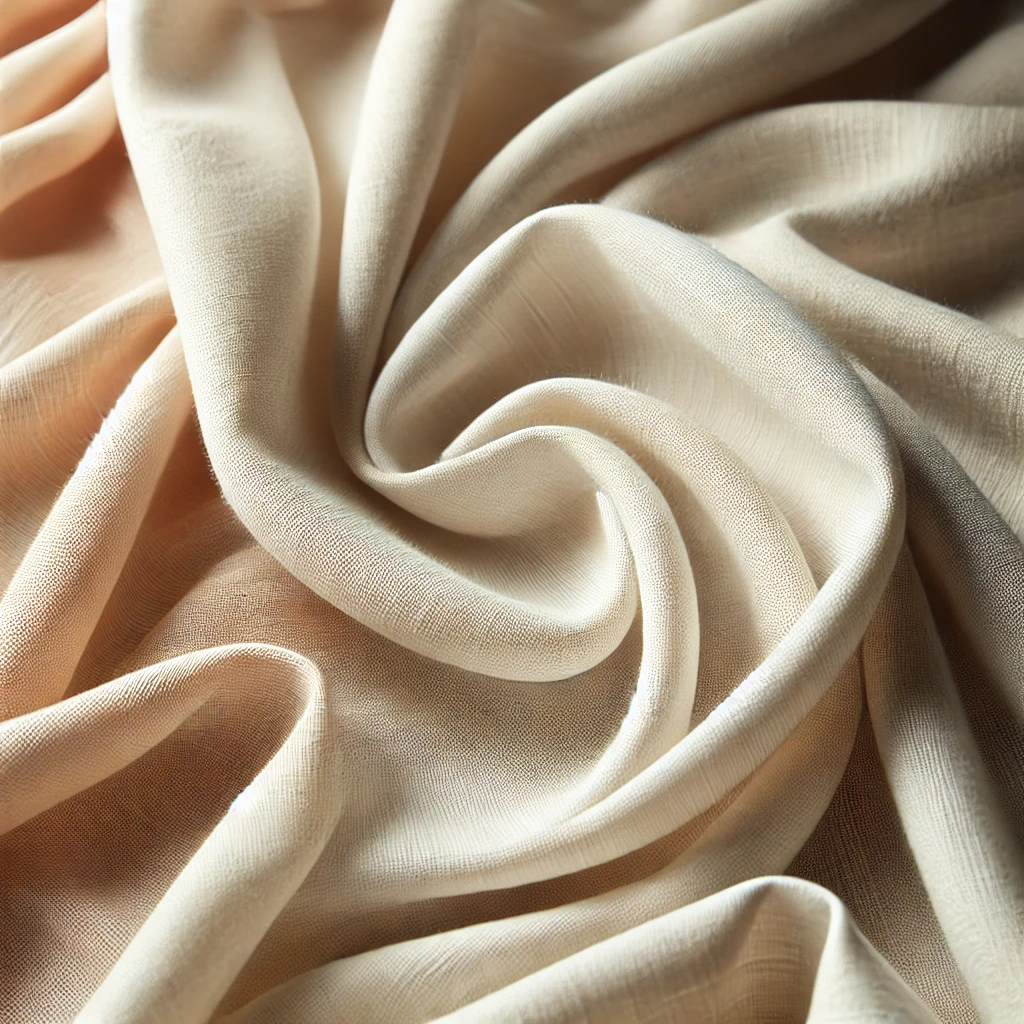
Eco-friendly fabrics are revolutionizing the fashion industry by providing sustainable alternatives to traditional textiles.
These fabrics not only reduce environmental impact but also offer a variety of benefits for consumers.
This comprehensive guide will explore the different types of eco-friendly fabrics, their advantages, and how to incorporate them into your wardrobe.
Whether you’re a fashion enthusiast or an eco-conscious consumer, this guide will help you make informed choices for a greener wardrobe.
1. Introduction to Eco-Friendly Fabrics
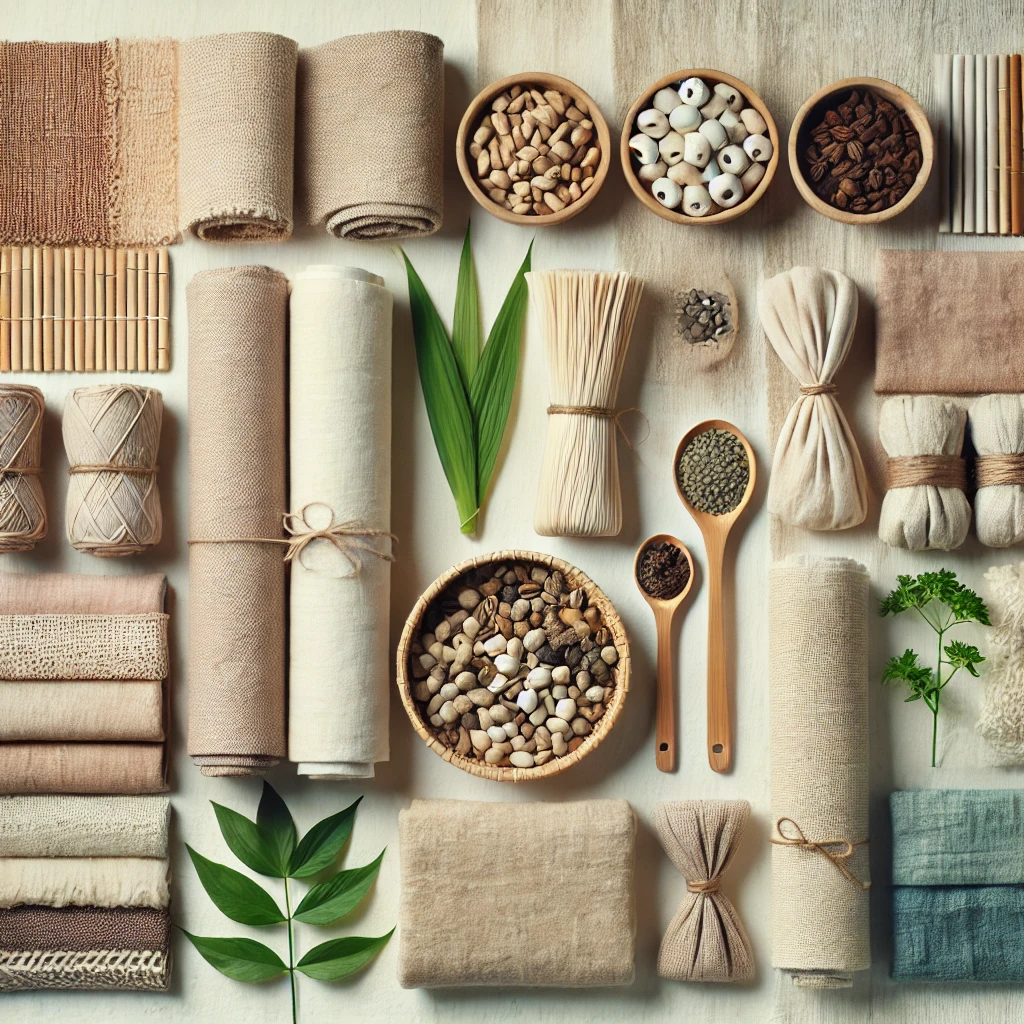
Eco-friendly fabrics, also known as sustainable textiles, are materials produced with minimal environmental impact.
They prioritize sustainability throughout their life cycle, from production to disposal.
These fabrics are made from natural, renewable resources or recycled materials and are often biodegradable.
Key Characteristics of Eco-Friendly Fabrics:
- Sustainable Sourcing: Derived from renewable or recycled resources.
- Low Environmental Impact: Produced with minimal water, energy, and chemical usage.
- Biodegradable: Breaks down naturally at the end of its life cycle.
- Ethical Production: Supports fair labor practices and safe working conditions.
Why Choose Eco-Friendly Fabrics?
- Environmental Conservation: Reduces pollution, conserves resources, and minimizes waste.
- Health Benefits: Free from harmful chemicals, making them safer for your skin.
- Quality and Durability: Often more durable and of higher quality than conventional fabrics.
- Support for Ethical Practices: Promotes fair wages and safe working conditions for workers.
2. Types of Eco-Friendly Fabrics
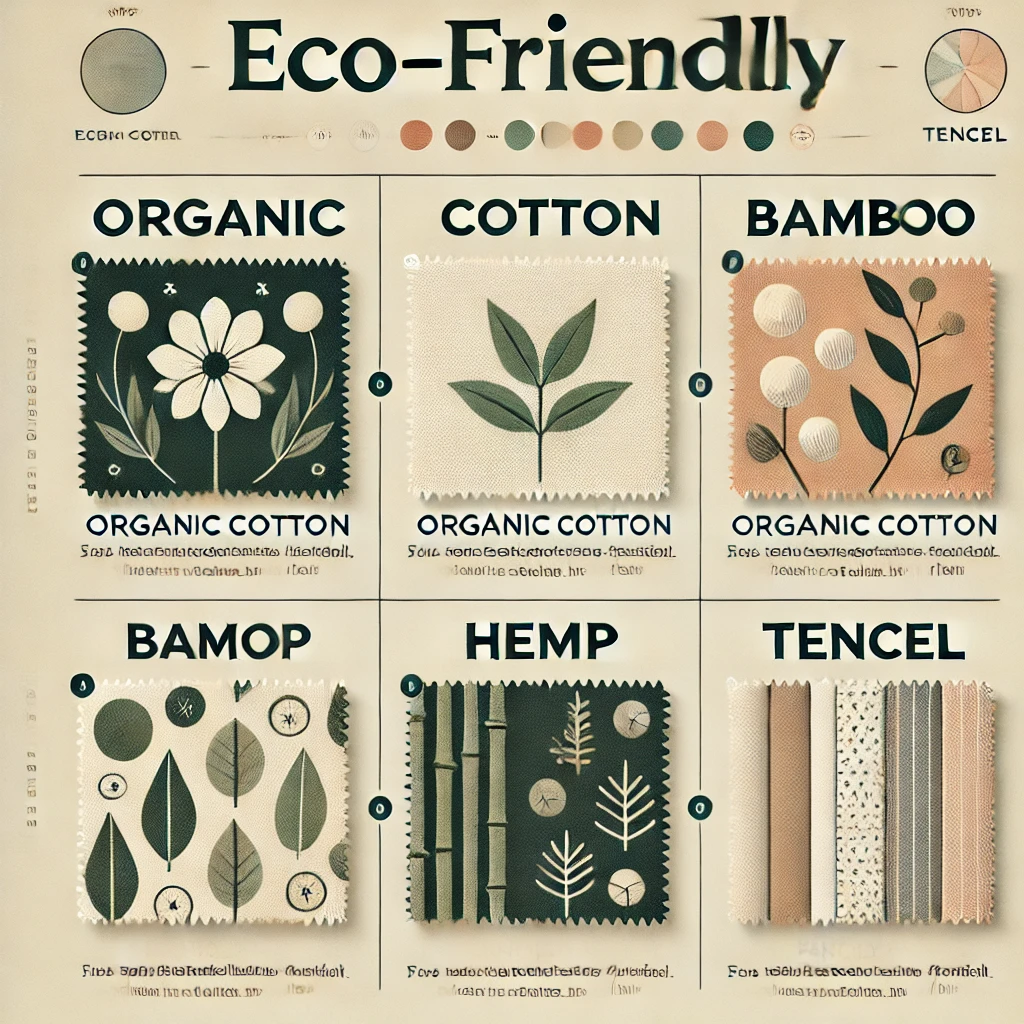
There are several types of eco-friendly fabrics available, each with its unique benefits and applications.
Here, we’ll explore some of the most popular sustainable textiles.
1. Organic Cotton
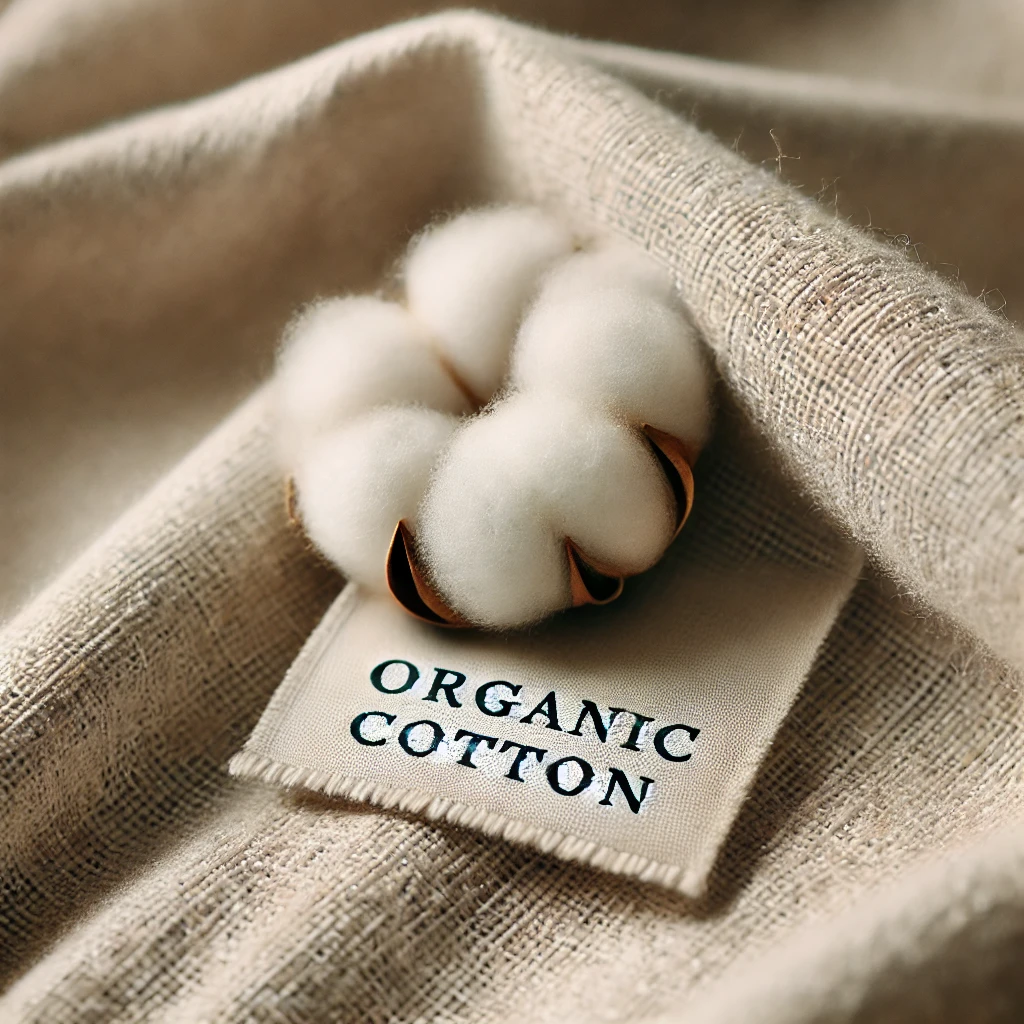
Organic cotton is grown without synthetic pesticides or fertilizers, using methods that support biodiversity and soil health.
Benefits:
- Chemical-Free: Reduces exposure to harmful chemicals.
- Sustainable Farming: Promotes soil health and water conservation.
- Soft and Breathable: Comfortable and gentle on the skin.
Common Uses:
- T-shirts
- Baby clothes
- Bedding
Brands Using Organic Cotton:
- Patagonia
- Eileen Fisher
- PACT
2. Hemp
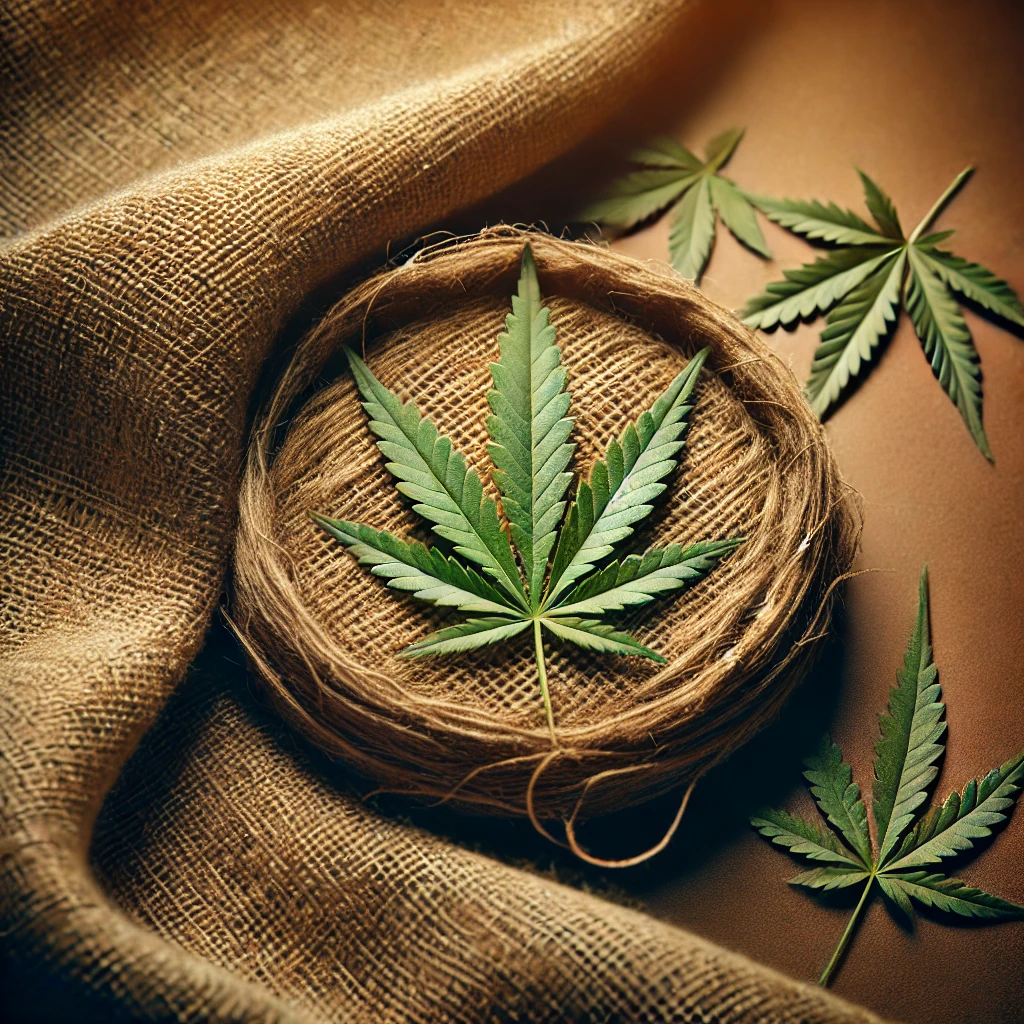
Hemp is one of the oldest and most sustainable crops, requiring minimal water and no pesticides to grow.
Benefits:
- Durable: Strong and long-lasting.
- Low Water Usage: Requires significantly less water than cotton.
- Biodegradable: Breaks down naturally.
Common Uses:
- Clothing
- Accessories
- Home textiles
Brands Using Hemp:
- Thought Clothing
- Jungmaven
- Toad&Co
3. Bamboo
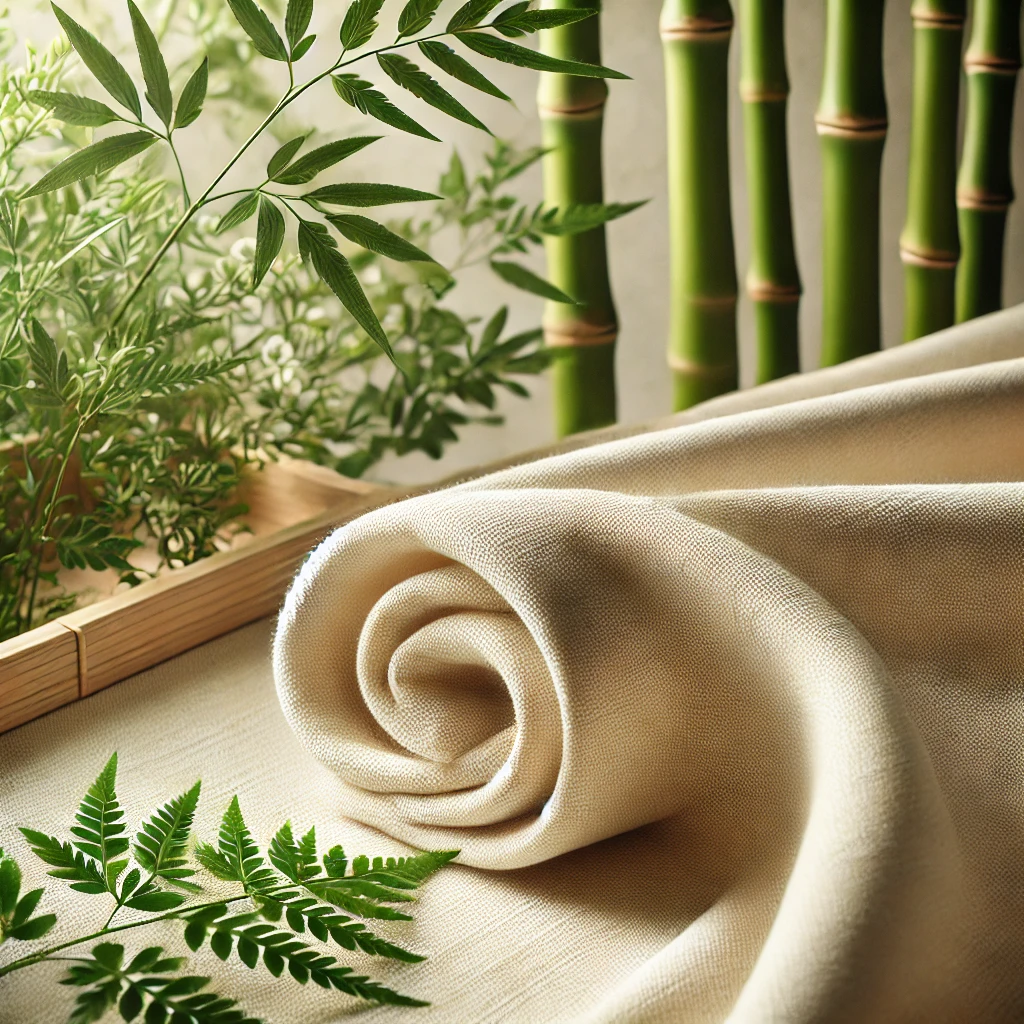
Bamboo fabric is made from the pulp of bamboo grass. It is known for its softness and sustainability.
Benefits:
- Fast-Growing: Bamboo grows quickly and requires no pesticides.
- Antibacterial: Naturally resistant to bacteria and odors.
- Soft and Comfortable: Comparable to silk in texture.
Common Uses:
- Loungewear
- Activewear
- Underwear
Brands Using Bamboo:
- Boody
- Thought Clothing
- Free Fly
4. Tencel (Lyocell)
Tencel is a branded lyocell fiber made from sustainably sourced wood pulp, typically from eucalyptus trees.
Benefits:
- Eco-Friendly Production: Uses a closed-loop process that recycles water and solvents.
- Biodegradable: Fully biodegradable and compostable.
- Soft and Breathable: Moisture-wicking and gentle on the skin.
Common Uses:
- Dresses
- Activewear
- Bed linens
Brands Using Tencel:
- Reformation
- Allbirds
- Levi’s
5. Linen
Linen is made from the fibers of the flax plant. It is known for its durability and breathability.
Benefits:
- Low Environmental Impact: Flax requires minimal water and pesticides.
- Durable: Strong and long-lasting, improving with each wash.
- Breathable: Keeps you cool and comfortable.
Common Uses:
- Summer clothing
- Home textiles
- Table linens
Brands Using Linen:
- Eileen Fisher
- Everlane
- Amour Vert
6. Recycled Polyester
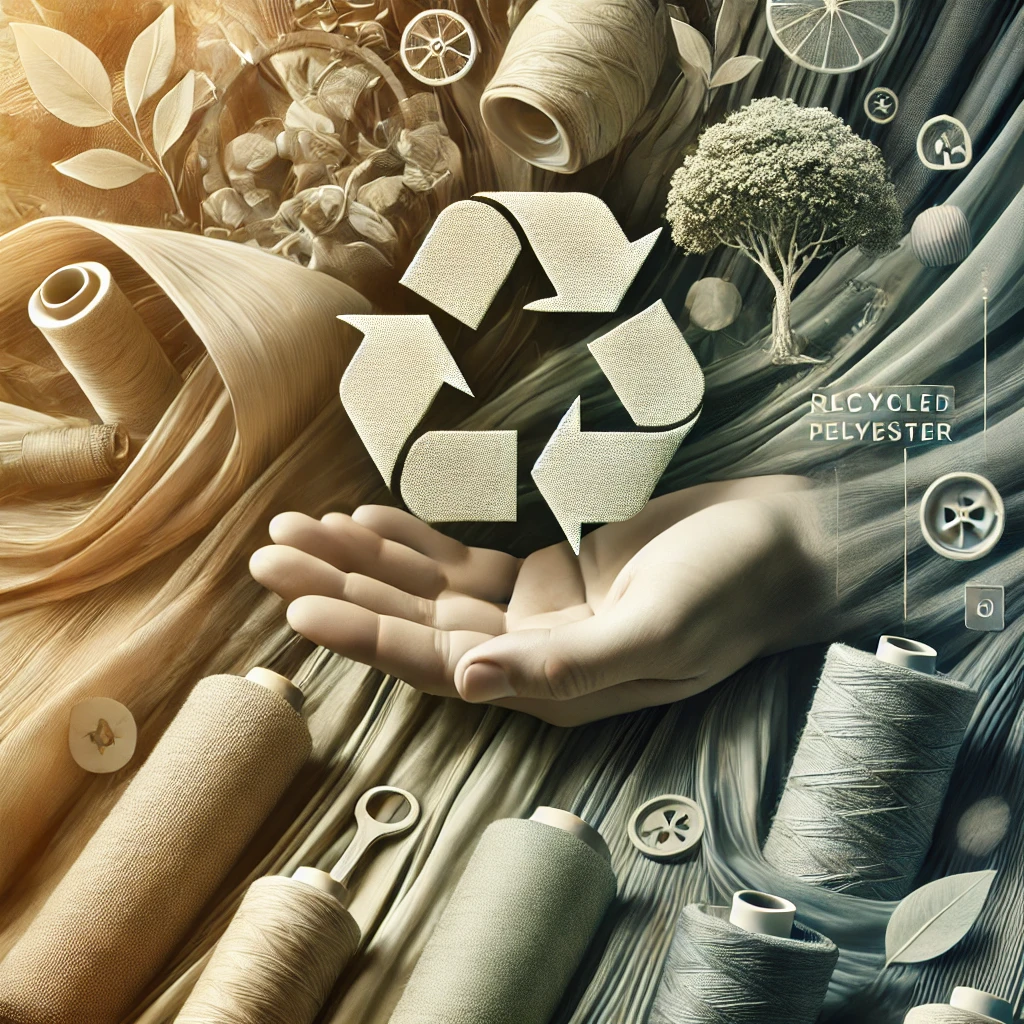
Recycled polyester is made from post-consumer plastic waste, such as PET bottles, reducing the need for virgin polyester.
Benefits:
- Reduces Waste: Diverts plastic waste from landfills and oceans.
- Energy-Efficient: Requires less energy to produce than virgin polyester.
- Versatile: Can be used in a wide range of applications.
Common Uses:
- Activewear
- Outerwear
- Footwear
Brands Using Recycled Polyester:
- Patagonia
- Girlfriend Collective
- Adidas
Visual Example:
3. Environmental Impact of Conventional Fabrics
To fully appreciate the benefits of eco-friendly fabrics, it’s important to understand the environmental impact of conventional textiles, such as traditional cotton and synthetic fibers.
Conventional Cotton:
- Water Usage: Conventional cotton is one of the most water-intensive crops, with an estimated 2,700 liters needed to produce one T-shirt.
- Chemical Use: Heavy use of synthetic pesticides and fertilizers can lead to soil degradation, water pollution, and health issues for farmers.
- Soil Depletion: Continuous cotton farming can deplete soil nutrients and reduce biodiversity.
Synthetic Fibers (Polyester, Nylon, Acrylic):
- Non-Biodegradable: Synthetic fibers are derived from petroleum and do not break down naturally, contributing to landfill waste.
- Microplastics: Washing synthetic fabrics releases microplastics into waterways, harming marine life.
- Energy-Intensive Production: Producing synthetic fibers requires significant energy and resources.
Statistics:
- The fashion industry is responsible for 10% of global carbon emissions.
- Conventional textile production accounts for 20% of global industrial water pollution.
Expert Opinion:
Dr. Laura Green, Environmental Scientist, states, “The environmental impact of conventional textiles is significant. Shifting to eco-friendly fabrics is crucial for reducing pollution, conserving resources, and protecting ecosystems.”
4. Health Benefits of Eco-Friendly Fabrics
Wearing eco-friendly fabrics offers several health benefits, particularly for individuals with sensitive skin or allergies. These fabrics are free from harmful chemicals and made from natural, breathable fibers.
Key Health Benefits:
- Hypoallergenic:
- Eco-friendly fabrics are less likely to cause allergic reactions or skin irritations.
- Ideal for individuals with sensitive skin, eczema, or dermatitis.
- Chemical-Free:
- Free from synthetic pesticides, herbicides, and chemical dyes.
- Reduces exposure to toxins that can be absorbed through the skin.
- Breathable and Comfortable:
- Natural fibers like organic cotton, linen, and hemp are soft, breathable, and absorbent.
- Helps regulate body temperature and reduces sweating.
- Safe for Babies and Children:
- Eco-friendly baby clothing and bedding are gentle on delicate skin.
- Minimizes the risk of irritation and chemical exposure.
Case Study:
John, a father of two, shares his experience: “After switching to organic cotton clothing for my children, I noticed a significant improvement in their skin health. The fabric is soft and gentle, and I feel better knowing they are not exposed to harmful chemicals.”
Affiliate Links:
5. How to Identify Eco-Friendly Fabrics
As a conscious consumer, it’s important to know how to identify genuine eco-friendly fabrics. Look for certifications, labels, and trusted brands to ensure you are purchasing authentic sustainable products.
Key Certifications:
- Global Organic Textile Standard (GOTS):
- Ensures the organic status of textiles from harvesting to labeling.
- Covers environmental and social criteria, including fair labor practices.
- Organic Content Standard (OCS):
- Verifies the presence and amount of organic material in a product.
- Ensures transparency and traceability throughout the supply chain.
- OEKO-TEX Standard 100:
- Tests for harmful substances in textiles.
- Ensures products are safe for human use.
- Fair Trade Certified:
- Ensures fair wages, safe working conditions, and environmental sustainability.
- Supports community development projects.
Trusted Labels:
- GOTS Label: Indicates that the product meets strict organic and social criteria.
- OCS Label: Confirms the percentage of organic content in the product.
- Fair Trade Label: Guarantees ethical production practices.
Tips for Identifying Eco-Friendly Fabrics:
- Check the Label: Look for certifications like GOTS, OCS, and Fair Trade.
- Research Brands: Choose brands known for their commitment to sustainability and transparency.
- Ask Questions: Don’t hesitate to ask retailers about the sourcing and production of their products.
Affiliate Links:
6. Incorporating Eco-Friendly Fabrics into Your Wardrobe
Integrating eco-friendly fabrics into your wardrobe is a practical and impactful way to embrace sustainable fashion.
Here are some tips to help you make the transition and build a wardrobe that reflects your values.
Steps to Incorporate Eco-Friendly Fabrics:
- Start Small:
- Begin with basics like organic cotton tees, underwear, and socks.
- Gradually replace worn-out items with sustainable alternatives.
- Prioritize Versatility:
- Choose versatile pieces that can be styled in multiple ways.
- Look for classic designs that fit your personal style.
- Invest in Quality:
- Focus on well-made, durable items that will last longer.
- Consider the cost-per-wear to make more sustainable choices.
- Shop Mindfully:
- Research brands and choose those committed to sustainability.
- Avoid fast fashion and impulse purchases.
- Care for Your Clothes:
- Follow care instructions to extend the life of your garments.
- Use eco-friendly laundry products and wash clothes in cold water.
Example Wardrobe:
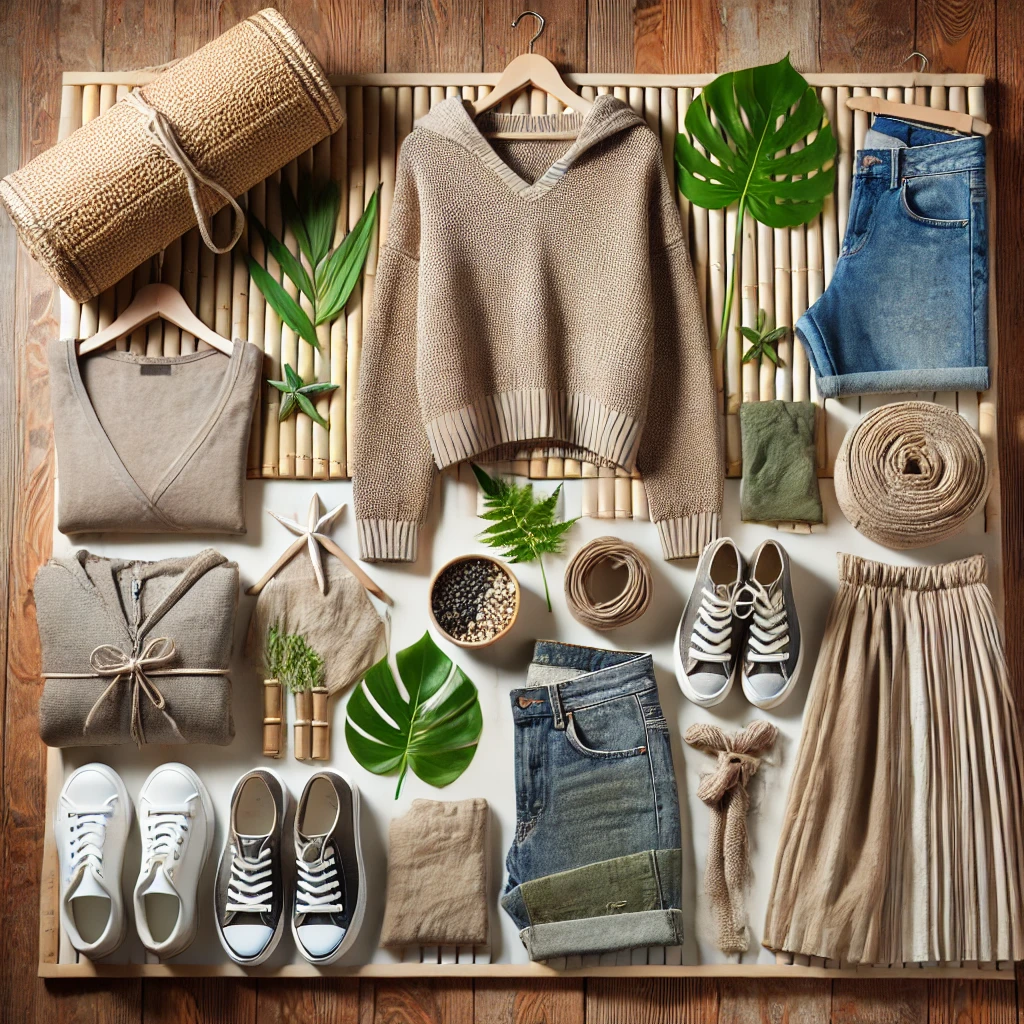
- Tops: Organic cotton tees, blouses, and sweaters.
- Bottoms: Organic cotton jeans, hemp trousers, and linen skirts.
- Dresses: Tencel and bamboo casual and formal dresses.
- Outerwear: Organic cotton jackets and recycled polyester coats.
- Accessories: Organic cotton scarves, hemp hats, and bamboo bags.
Visual Example:
Affiliate Links:
7. Sustainable Brands Offering Eco-Friendly Fabrics
Many fashion brands are now offering eco-friendly fabrics as part of their commitment to sustainability.
Here are some notable brands that prioritize sustainable materials and ethical practices.
Top Sustainable Brands:
- Patagonia:
- Known for outdoor apparel and commitment to environmental activism.
- Offers a range of organic cotton, recycled polyester, and hemp clothing.
- Eileen Fisher:
- Focuses on timeless, minimalist designs and sustainable practices.
- Provides organic cotton, Tencel, and linen clothing.
- People Tree:
- Pioneer in Fair Trade and sustainable fashion.
- Features organic cotton, Tencel, and handmade textiles.
- Thought Clothing:
- Designs stylish, comfortable clothing using sustainable fabrics.
- Offers organic cotton, bamboo, and hemp clothing.
- PACT:
- Dedicated to producing organic and Fair Trade certified clothing.
- Provides organic cotton basics like underwear, tees, and leggings.
Brand Highlights:
Patagonia:
- Featured Product: Patagonia Men’s Organic Cotton Tee
- Sustainability Initiatives: Recycled materials, Fair Trade Certified™, environmental grants.
Eileen Fisher:
- Featured Product: Eileen Fisher Women’s Organic Cotton Pants
- Sustainability Initiatives: Renew program, Vision2020 goals, organic and recycled fabrics.
People Tree:
- Featured Product: People Tree Organic Cotton Dress
- Sustainability Initiatives: Fair Trade, organic farming, handmade craftsmanship.
Thought Clothing:
- Featured Product: Thought Bamboo and Organic Cotton Top
- Sustainability Initiatives: Zero-waste, sustainable fabrics, ethical production.
PACT:
- Featured Product: PACT Organic Cotton Leggings
- Sustainability Initiatives: Fair Trade Certified™, organic farming, eco-friendly packaging.
Visual Example:
8. The Future of Eco-Friendly Fabrics and Sustainable Fashion
The future of eco-friendly fabrics and sustainable fashion is promising, with increasing awareness and demand driving positive changes in the industry.
Here are some trends and innovations shaping the future of sustainable fashion.
Trends and Innovations:
- Regenerative Agriculture:
- Focuses on improving soil health and restoring ecosystems.
- Regenerative organic cotton farming is gaining momentum.
- Technological Advancements:
- Innovations in sustainable materials, like lab-grown fabrics and plant-based dyes.
- Technology is enhancing supply chain transparency and traceability.
- Circular Fashion:
- Emphasizes designing for longevity, reuse, and recycling.
- Brands are adopting circular practices, such as take-back programs and upcycling.
- Consumer Awareness:
- Growing awareness of environmental and ethical issues in fashion.
- Consumers are demanding more transparency and accountability from brands.
- Policy and Regulation:
- Governments and organizations are implementing policies to promote sustainable practices.
- Certifications and standards are evolving to ensure higher sustainability criteria.
Impact on the Industry:
- Sustainable Growth: Increased demand for eco-friendly fabrics and sustainable fashion.
- Innovation and Research: Continued investment in sustainable technologies and practices.
- Collaboration: Brands, NGOs, and governments working together to promote sustainability.
Expert Opinion:
Dr. Emily White, Sustainable Fashion Researcher, states, “The future of fashion is rooted in sustainability. As technology advances and consumer demand grows, we can expect significant strides towards a more ethical and eco-friendly industry.”
9. How to Care for Eco-Friendly Fabrics
Proper care and maintenance of eco-friendly fabrics are essential to ensure their longevity and sustainability.
Here are some tips for caring for your sustainable garments.
General Care Tips:
- Follow Care Instructions:
- Always check and follow the care labels on your garments.
- Wash Less Frequently:
- Wash clothes only when necessary to reduce wear and tear.
- Spot clean minor stains instead of washing the entire garment.
- Use Cold Water:
- Wash clothes in cold water to save energy and prevent shrinking or fading.
- Eco-Friendly Detergents:
- Use biodegradable, eco-friendly laundry detergents.
- Avoid fabric softeners and bleach, which can damage fibers and the environment.
- Air Dry:
- Air dry clothes whenever possible to reduce energy usage and extend garment life.
- Avoid using a dryer, which can cause shrinkage and wear.
Specific Fabric Care:
Organic Cotton:
- Machine wash in cold water with a gentle cycle.
- Air dry or tumble dry on low heat.
Hemp:
- Machine wash in cold water with mild detergent.
- Line dry or tumble dry on low heat.
Bamboo:
- Machine wash in cold water with a gentle cycle.
- Air dry or tumble dry on low heat.
Tencel (Lyocell):
- Hand wash or machine wash on a gentle cycle in cold water.
- Lay flat to dry or tumble dry on low heat.
Linen:
- Hand wash or machine wash on a gentle cycle in cold water.
- Air dry or tumble dry on low heat.
Visual Example:
Affiliate Links:
10. Conclusion: Embrace Eco-Friendly Fabrics for a Sustainable Future

Choosing eco-friendly fabrics is a meaningful way to support sustainability, health, and ethical practices.
By making informed choices and prioritizing sustainable materials, you can contribute to a positive impact on the environment and society.
Remember, building a sustainable wardrobe is a journey. Start small, make mindful decisions, and embrace the benefits of eco-friendly fabrics. Whether you’re buying new clothes or updating your existing wardrobe, sustainable textiles offer a healthier, more sustainable alternative.
Thank you for joining us on this comprehensive guide to eco-friendly fabrics. If you found this information helpful, please share it with your friends and family to promote sustainable fashion.