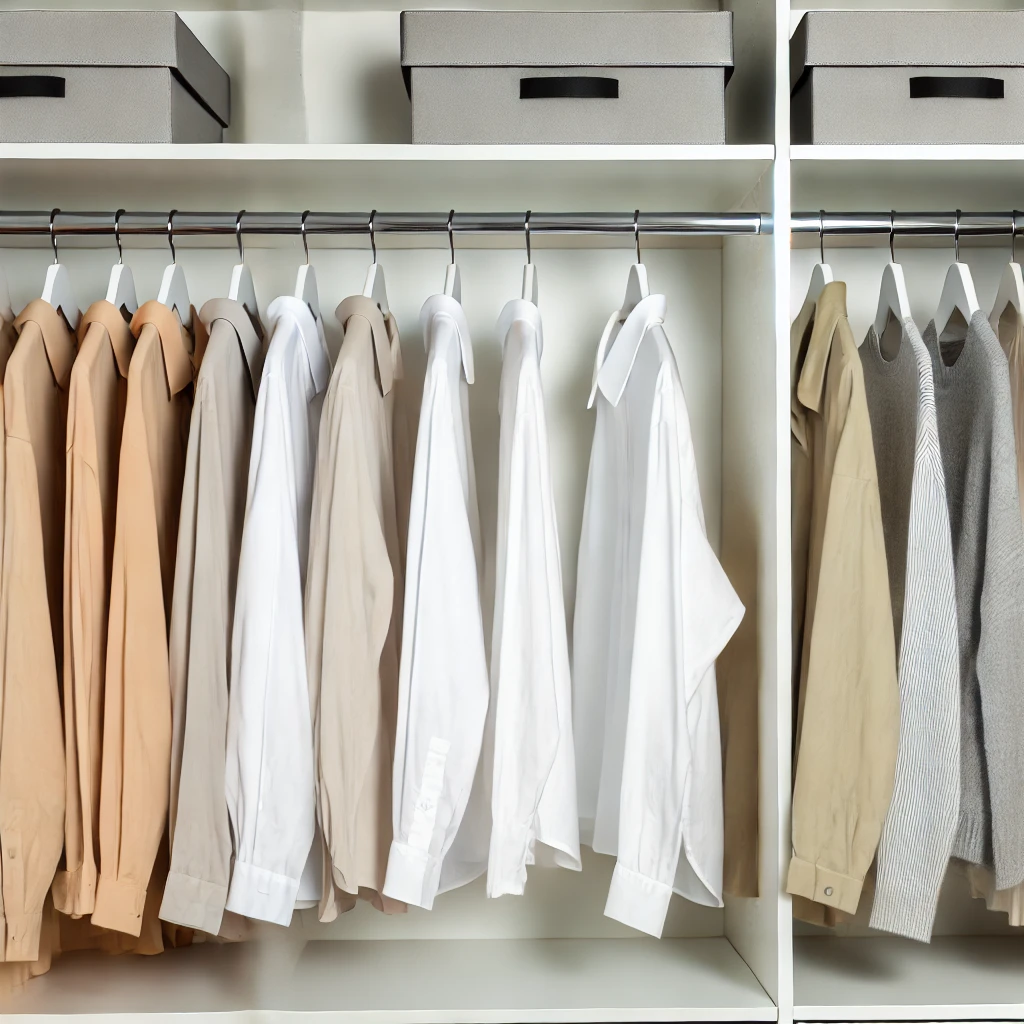
Caring for your clothes sustainably is an essential aspect of eco-friendly living.
By adopting sustainable laundry practices and maintenance habits, you can extend the life of your garments, reduce your environmental footprint, and save money.
This comprehensive guide will provide you with practical tips and insights on how to care for your clothes sustainably, from washing and drying to storing and repairing.
Whether you’re a seasoned eco-warrior or just starting your journey towards sustainable living, this guide will help you make informed choices for a greener wardrobe.
1. Introduction to Sustainable Clothing Care
Sustainable clothing care involves adopting practices that minimize environmental impact while extending the life of your garments.
This includes using eco-friendly laundry products, washing clothes less frequently, and repairing items instead of discarding them.
By caring for your clothes sustainably, you can reduce water and energy consumption, lower carbon emissions, and decrease textile waste.
Benefits of Sustainable Clothing Care:
- Environmental Conservation: Reduces water and energy usage and minimizes pollution.
- Cost Savings: Saves money on laundry products, energy bills, and clothing replacements.
- Extended Garment Life: Keeps your clothes in good condition for longer.
- Healthier Living: Reduces exposure to harmful chemicals found in conventional laundry products.
Personal Anecdote:
Maria, a sustainability advocate, shares her experience: “Switching to sustainable clothing care has made a significant difference in my life. My clothes last longer, I save money on laundry products, and I feel good knowing that I’m reducing my environmental impact.”
2. Sustainable Laundry Practices
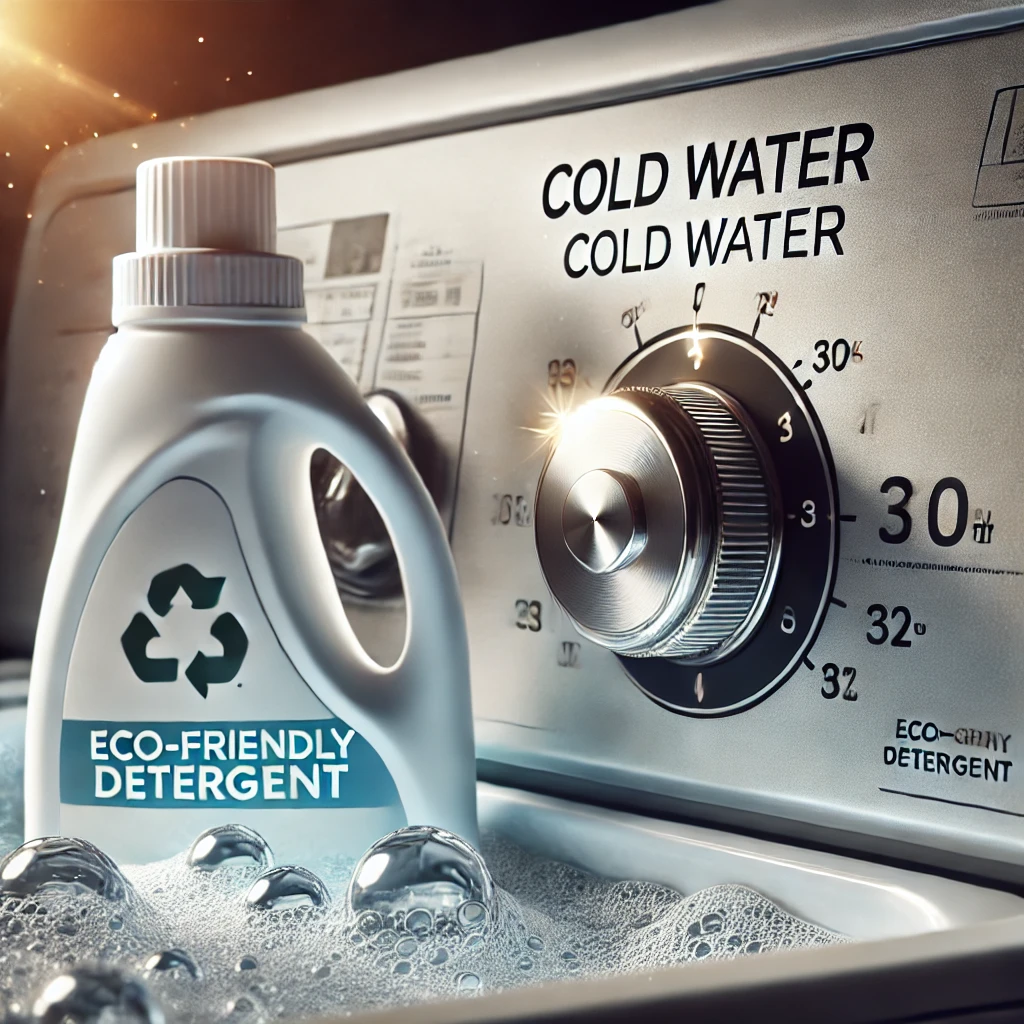
Laundry is a significant part of clothing care, and adopting sustainable practices can make a considerable difference.
Here are some tips for washing and drying your clothes in an eco-friendly manner.
Washing Clothes Sustainably:
- Wash Less Frequently:
- Wash clothes only when necessary to reduce water and energy usage.
- Spot clean minor stains and air out clothes to refresh them between washes.
- Use Cold Water:
- Washing clothes in cold water saves energy and prevents fabric damage.
- Most modern detergents are effective in cold water.
- Full Loads Only:
- Run full loads to maximize water and energy efficiency.
- Avoid overloading the machine, which can reduce cleaning effectiveness.
- Eco-Friendly Detergents:
- Choose biodegradable, plant-based detergents free from harmful chemicals.
- Avoid detergents with phosphates, optical brighteners, and synthetic fragrances.
- Skip the Fabric Softener:
- Fabric softeners can contain harmful chemicals and reduce fabric absorbency.
- Use alternatives like white vinegar or wool dryer balls.
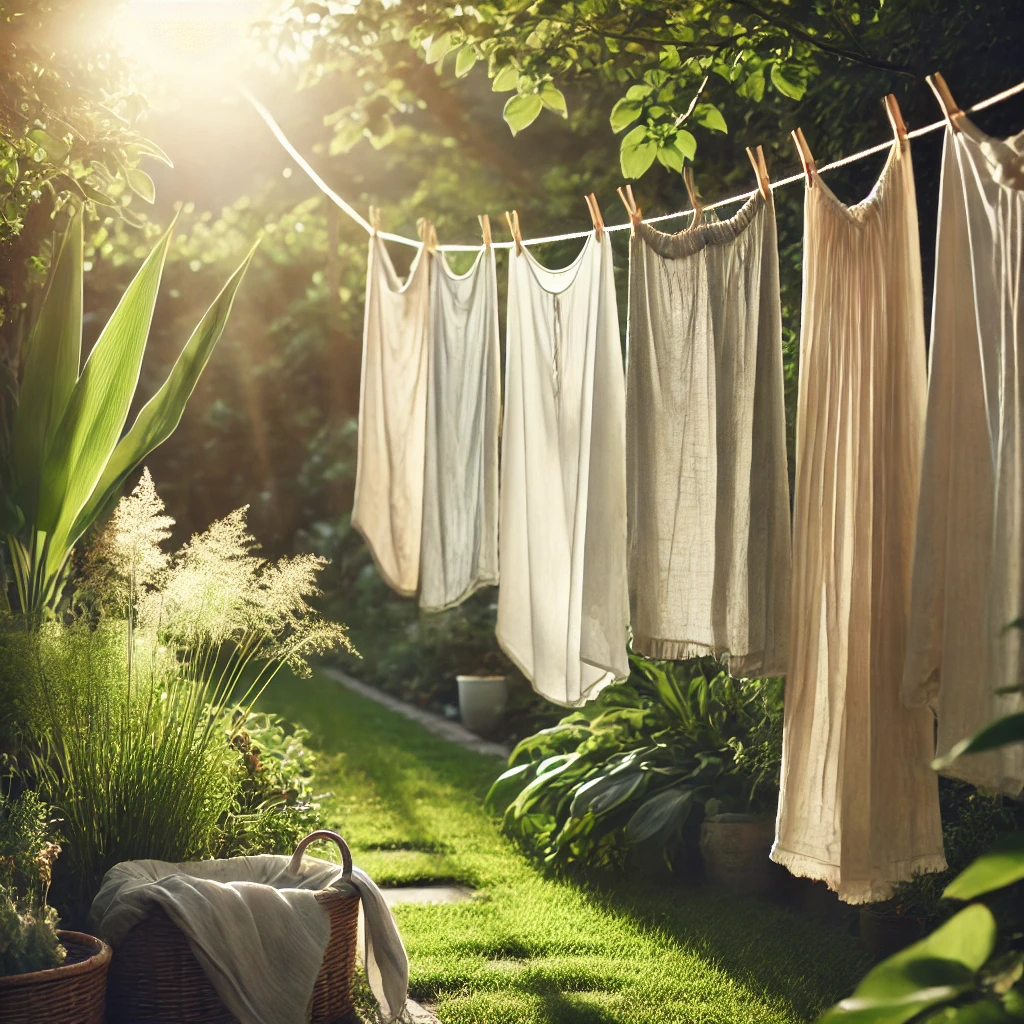
Drying Clothes Sustainably:
- Air Dry Whenever Possible:
- Air drying reduces energy consumption and extends the life of your clothes.
- Use a drying rack or clothesline.
- Use a Dryer Efficiently:
- If using a dryer, opt for a low heat setting and remove clothes while slightly damp to reduce drying time.
- Clean the lint filter regularly to maintain efficiency.
- Wool Dryer Balls:
- Wool dryer balls can reduce drying time and soften clothes naturally.
- They help to separate clothes and improve air circulation in the dryer.
Affiliate Links:
Visual Example:
3. Storing Your Clothes Sustainably
Proper storage is crucial for maintaining the condition of your clothes and extending their lifespan.
Here are some tips for storing your garments sustainably.
General Storage Tips:
- Clean Before Storing:
- Ensure clothes are clean and dry before storing them to prevent mold and mildew.
- Remove any stains to avoid setting them during storage.
- Avoid Plastic:
- Avoid plastic storage bags and containers, which can trap moisture and cause mold.
- Use breathable, natural materials like cotton or linen garment bags and storage boxes.
- Keep It Cool and Dry:
- Store clothes in a cool, dry place away from direct sunlight to prevent fading and fabric damage.
- Avoid damp areas like basements and attics.
Hanging vs. Folding:
- Hanging:
- Hang items like dresses, blouses, and suits to prevent wrinkles and maintain shape.
- Use padded or wooden hangers to avoid stretching and creases.
- Folding:
- Fold heavy items like sweaters, jeans, and knitwear to prevent stretching.
- Store folded items in drawers or on shelves with adequate space to prevent overcrowding.
Special Storage Tips:
- Seasonal Clothing:
- Rotate seasonal clothing to keep your wardrobe organized and protect off-season items.
- Store seasonal items in breathable garment bags or boxes.
- Delicate Fabrics:
- Store delicate fabrics like silk and wool in breathable garment bags to protect them from dust and pests.
- Avoid hanging heavy garments, which can cause them to lose shape.
Affiliate Links:
Visual Example:
4. Repairing and Upcycling Clothes
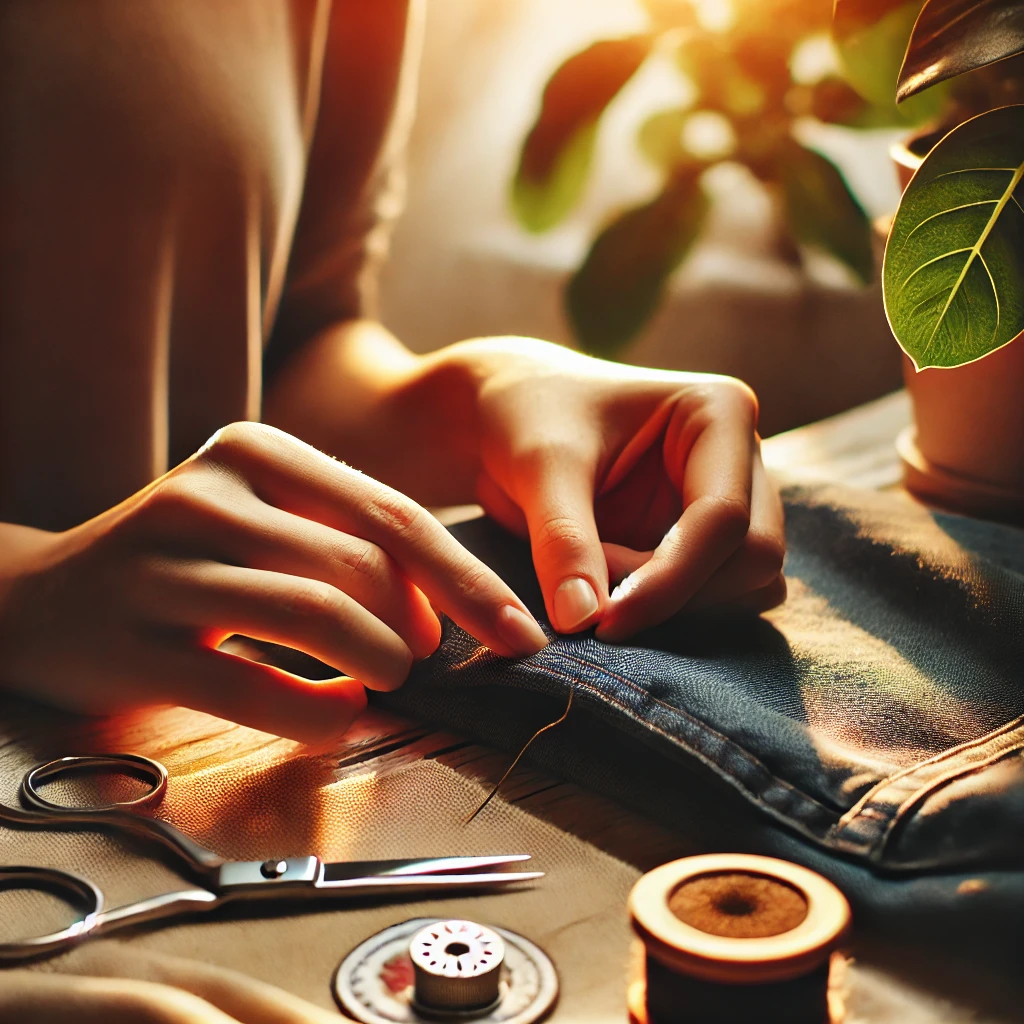
Repairing and upcycling clothes are essential skills for sustainable living.
Instead of discarding damaged items, you can give them a new life through simple repairs and creative upcycling projects.
Basic Clothing Repairs:
- Sewing Buttons:
- Use a needle and thread to reattach loose or missing buttons.
- Secure the button with a knot to prevent it from coming loose again.
- Fixing Seams:
- Use a sewing machine or hand stitch to repair torn seams.
- Reinforce weak areas to prevent future tears.
- Patching Holes:
- Use fabric patches to cover holes in jeans, jackets, and other garments.
- Choose patches that match or complement the fabric for a seamless look.
- Mending Zippers:
- Replace broken zippers with new ones or use a zipper repair kit.
- Lubricate zippers with a graphite pencil to keep them running smoothly.
Upcycling Projects:
- Transforming T-Shirts:
- Turn old t-shirts into tote bags, pillows, or headbands.
- Use fabric paint or dye to refresh and customize designs.
- Repurposing Jeans:
- Convert worn-out jeans into shorts, skirts, or bags.
- Add patches, embroidery, or distressing for a unique look.
- Creating Accessories:
- Use fabric scraps to make scrunchies, headbands, or jewelry.
- Combine different fabrics for a patchwork effect.
DIY Repair and Upcycling Tools:
- Sewing Kit: Includes needles, thread, scissors, and fabric patches.
- Fabric Glue: For quick, no-sew repairs.
- Iron-On Patches: Easy to apply with an iron for instant repairs.
Affiliate Links:
Visual Example:
5. Eco-Friendly Clothing Care Products
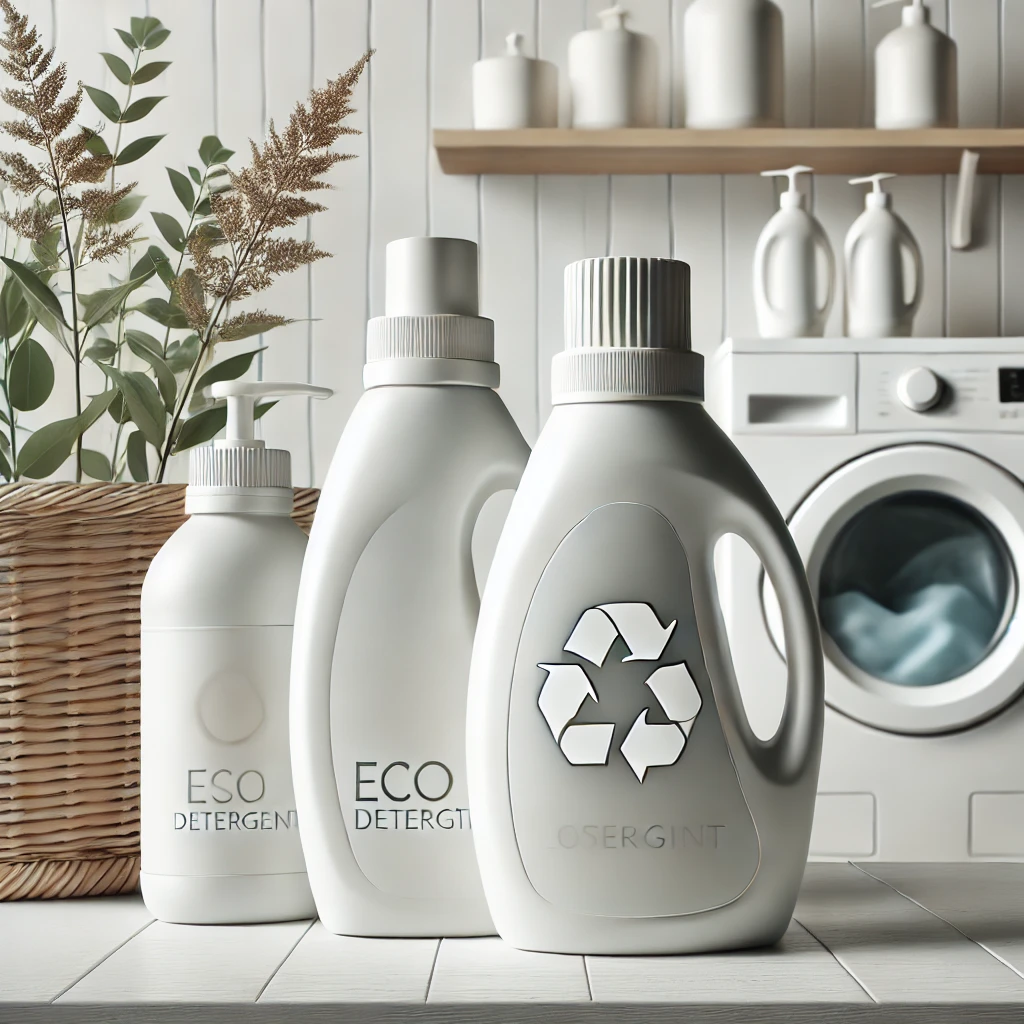
Using eco-friendly clothing care products can significantly reduce your environmental impact and improve the longevity of your garments.
Here are some sustainable products to consider.
Eco-Friendly Detergents:
- Biodegradable Detergents:
- Made from plant-based ingredients that break down naturally.
- Free from harmful chemicals like phosphates and synthetic fragrances.
- Concentrated Formulas:
- Concentrated detergents use less packaging and reduce transportation emissions.
- Require smaller amounts for each load, making them more economical.
Fabric Softeners and Alternatives:
- Natural Fabric Softeners:
- Made from natural ingredients like vinegar and essential oils.
- Free from synthetic fragrances and chemicals.
- Wool Dryer Balls:
- Natural alternative to fabric softeners that reduce drying time and soften clothes.
- Reusable and long-lasting.
Stain Removers:
- Natural Stain Removers:
- Made from plant-based ingredients that effectively remove stains without harsh chemicals.
- Safe for all fabrics and gentle on the skin.
- DIY Stain Removers:
- Use household ingredients like baking soda, vinegar, and lemon juice to remove stains.
- Effective and inexpensive alternative to commercial stain removers.
Affiliate Links:
Visual Example:
6. Sustainable Clothing Care Habits
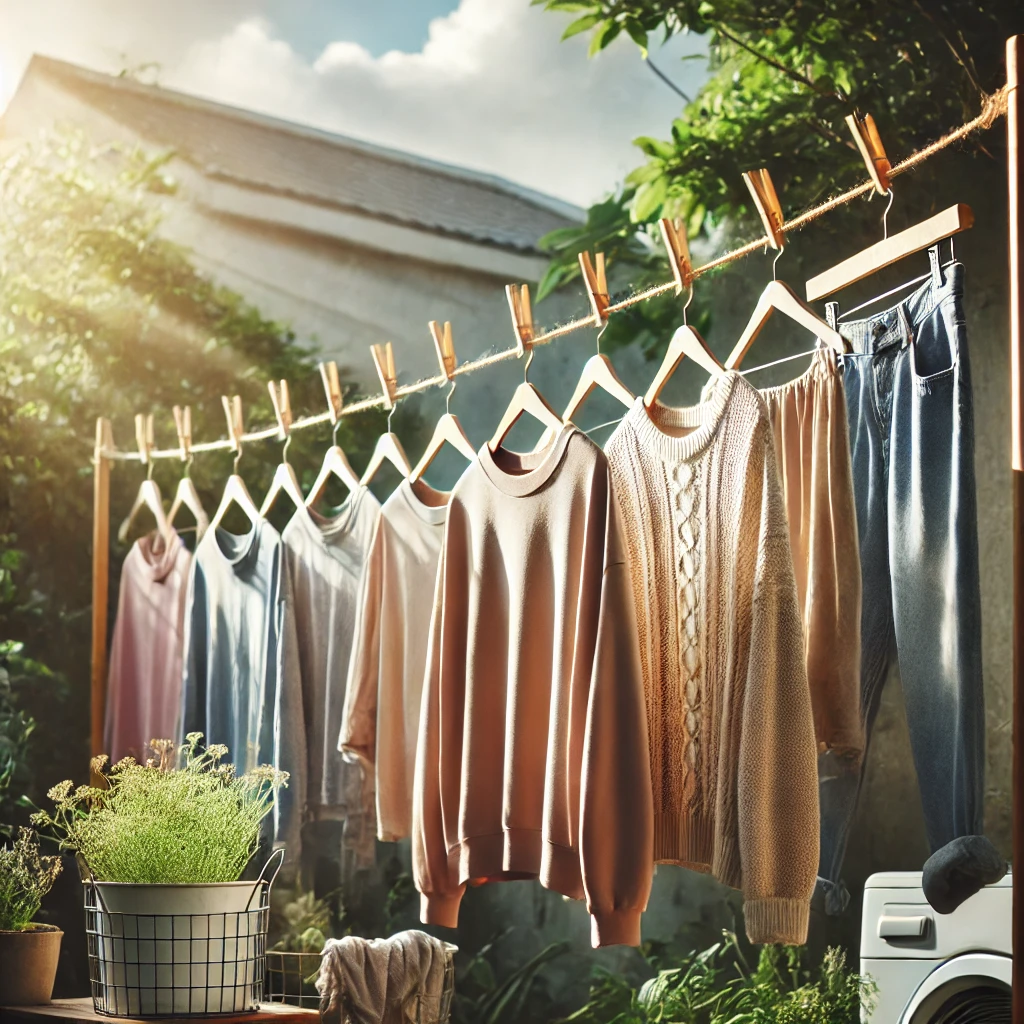
Adopting sustainable clothing care habits can make a significant difference in reducing your environmental impact.
Here are some habits to incorporate into your daily routine.
Daily Habits:
- Air Out Clothes:
- Air out clothes after wearing them to refresh and reduce the need for washing.
- Use a clothes rack or hanger in a well-ventilated area.
- Spot Clean:
- Spot clean minor stains and spills instead of washing the entire garment.
- Use a damp cloth or natural stain remover.
- Rotate Your Wardrobe:
- Rotate your clothing to ensure even wear and prevent overuse of favorite items.
- Store seasonal items separately to keep your wardrobe organized.
Seasonal Habits:
- Switch Out Seasonal Clothing:
- Rotate your wardrobe seasonally to keep it organized and protect off-season items.
- Store seasonal items in breathable garment bags or boxes.
- Deep Clean and Repair:
- Deep clean your wardrobe at the start of each season.
- Repair any damaged items and refresh your wardrobe with upcycled pieces.
Long-Term Habits:
- Invest in Quality:
- Invest in high-quality, durable clothing that will last longer.
- Choose timeless styles that won’t go out of fashion.
- Educate Yourself:
- Stay informed about sustainable fashion and clothing care practices.
- Share your knowledge with friends and family to promote sustainable living.
Visual Example:
7. The Environmental Impact of Sustainable Clothing Care
Sustainable clothing care practices can significantly reduce your environmental footprint.
Here’s a closer look at the impact of these practices.
Water Conservation:
- Reduced Water Usage: Washing clothes less frequently and using full loads saves water.
- Cold Water Washing: Washing in cold water conserves energy and reduces water heating emissions.
Energy Savings:
- Air Drying: Air drying clothes reduces energy consumption compared to using a dryer.
- Efficient Washing Machines: Using energy-efficient washing machines and running full loads save electricity.
Waste Reduction:
- Extended Garment Life: Caring for clothes sustainably extends their lifespan, reducing textile waste.
- Repair and Upcycling: Repairing and upcycling clothes prevent them from ending up in landfills.
Chemical Reduction:
- Eco-Friendly Detergents: Using biodegradable, plant-based detergents reduces chemical pollution in waterways.
- Natural Stain Removers: Avoiding harsh chemicals protects the environment and your health.
Statistics:
- The average household can save up to 3,400 gallons of water annually by washing clothes in cold water.
- Air drying clothes can reduce your carbon footprint by up to 2,400 pounds of CO2 per year.
Expert Opinion:
Dr. Laura Brown, Environmental Scientist, explains, “Adopting sustainable clothing care practices is a simple yet effective way to reduce your environmental impact. Small changes in how we care for our clothes can lead to significant benefits for the planet.”
8. Case Studies: Real-Life Examples of Sustainable Clothing Care
Hearing about others’ experiences with sustainable clothing care can be inspiring and motivating.
Here are a few case studies from individuals who have successfully adopted eco-friendly practices.
Case Study 1: The Minimalist Mom
Sarah, a mother of two, shares her journey: “As a busy mom, I was constantly doing laundry. I decided to switch to sustainable practices to save time and reduce my family’s environmental impact. We now wash clothes less frequently, use eco-friendly detergents, and air dry whenever possible. The changes have made a significant difference, and our clothes last longer.”
Case Study 2: The Eco-Conscious Student
Jake, a college student, shares his experience: “Living on a budget, I wanted to find ways to be more sustainable. I started using cold water for laundry, switched to natural detergents, and began repairing my clothes instead of buying new ones. These small changes have helped me save money and reduce my environmental footprint.”
Case Study 3: The DIY Enthusiast
Emily, a DIY enthusiast, shares her story: “I love finding creative ways to upcycle and repair my clothes. From sewing patches on jeans to transforming old t-shirts into tote bags, sustainable clothing care has become a fun and rewarding hobby. It’s amazing to see how much we can reduce waste and give new life to our garments.”
9. Sustainable Clothing Care for Different Fabrics
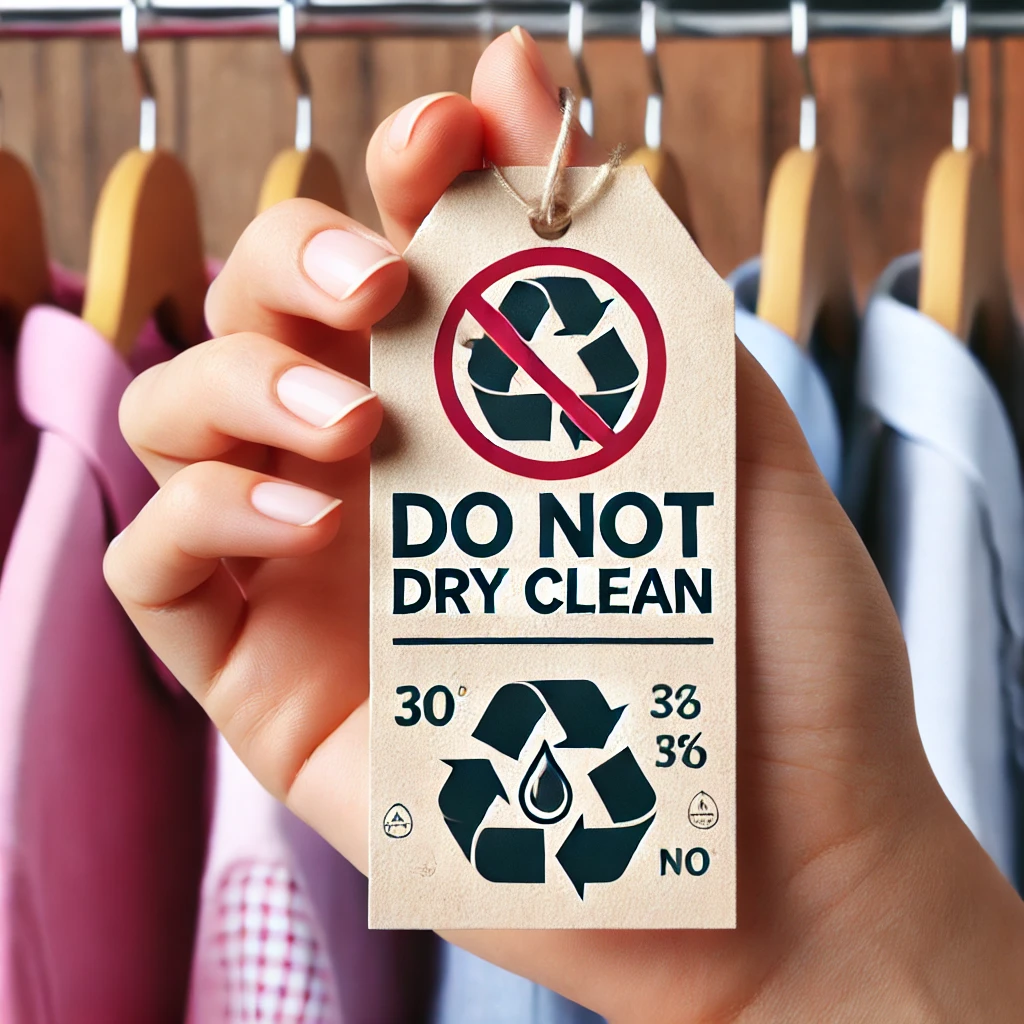
Different fabrics require specific care to ensure their longevity.
Here’s how to care for various eco-friendly fabrics sustainably.
Organic Cotton:
- Washing: Machine wash in cold water with a gentle cycle.
- Drying: Air dry or tumble dry on low heat.
- Ironing: Iron on low heat if necessary.
Hemp:
- Washing: Machine wash in cold water with mild detergent.
- Drying: Line dry or tumble dry on low heat.
- Ironing: Iron on medium heat if necessary.
Bamboo:
- Washing: Machine wash in cold water with a gentle cycle.
- Drying: Air dry or tumble dry on low heat.
- Ironing: Iron on low heat if necessary.
Tencel (Lyocell):
- Washing: Hand wash or machine wash on a gentle cycle in cold water.
- Drying: Lay flat to dry or tumble dry on low heat.
- Ironing: Iron on low heat if necessary.
Linen:
- Washing: Hand wash or machine wash on a gentle cycle in cold water.
- Drying: Air dry or tumble dry on low heat.
- Ironing: Iron on medium heat if necessary.
Recycled Polyester:
- Washing: Machine wash in cold water with a gentle cycle.
- Drying: Air dry or tumble dry on low heat.
- Ironing: Avoid ironing, or use a low heat setting with a cloth barrier.
Affiliate Links:
Visual Example:
10. Conclusion: Embrace Sustainable Clothing Care for a Greener Future

Caring for your clothes sustainably is a simple yet impactful way to reduce your environmental footprint and extend the life of your garments.
By adopting eco-friendly laundry practices, proper storage methods, and repair techniques, you can make a significant difference in promoting a sustainable future.
Remember, every small change counts. Start by implementing a few sustainable practices and gradually incorporate more as you become comfortable. Together, we can create a positive impact on the environment and enjoy the benefits of a greener wardrobe.
Thank you for joining us on this comprehensive guide to sustainable clothing care. If you found this information helpful, please share it with your friends and family to inspire them to embrace eco-friendly practices.