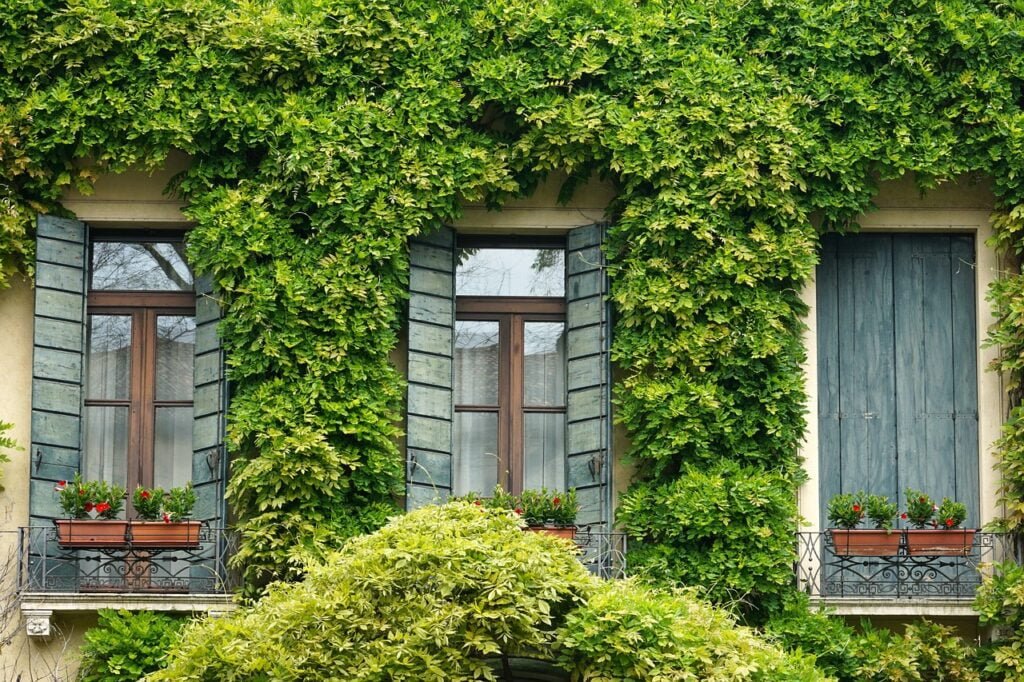

Creating an eco-friendly garden is a rewarding way to contribute to environmental sustainability while enhancing the beauty and productivity of your outdoor space.
By incorporating sustainable practices, you can reduce your carbon footprint, conserve resources, and create a habitat for wildlife.
This comprehensive guide will provide you with actionable steps, expert advice, and product recommendations to help you design and maintain an eco-friendly garden.
Table of Contents
- Introduction to Eco-Friendly Gardening
- Planning Your Eco-Friendly Garden
- Choosing Native Plants
- Water Conservation Techniques
- Composting and Soil Health
- Organic Pest Control
- Sustainable Garden Design
- Creating Wildlife Habitats
- Energy-Efficient Garden Tools
- Product Recommendations
- Conclusion
1. Introduction to Eco-Friendly Gardening

Why Create an Eco-Friendly Garden?
Eco-friendly gardening involves using sustainable practices to create a garden that benefits both the environment and your well-being.
By minimizing chemical use, conserving water, and supporting biodiversity, you can make a positive impact on your local ecosystem.
Benefits of Eco-Friendly Gardening:
- Environmental Impact: Reduces pollution, conserves resources, and supports local wildlife.
- Health Benefits: Produces healthier, chemical-free food and creates a relaxing outdoor space.
- Cost Savings: Reduces water and energy bills through sustainable practices.
Affiliate Links:
2. Planning Your Eco-Friendly Garden

Step-by-Step Planning:
- Assess Your Space: Evaluate the size, soil type, and sunlight in your garden. Consider factors like wind exposure and water drainage.
- Set Goals: Determine what you want to achieve with your garden, such as growing food, creating a wildlife habitat, or simply enhancing your outdoor space.
- Design Layout: Plan the layout of your garden, including plant placement, pathways, and water features. Use a garden planner or sketch your design on paper.
Tips for Successful Planning:
- Start Small: Begin with a manageable area and gradually expand your garden.
- Diverse Planting: Incorporate a variety of plants to support biodiversity and create a resilient ecosystem.
- Consider Microclimates: Identify microclimates in your garden (e.g., shaded areas, sunny spots) and choose plants that thrive in those conditions.
Affiliate Links:
3. Choosing Native Plants
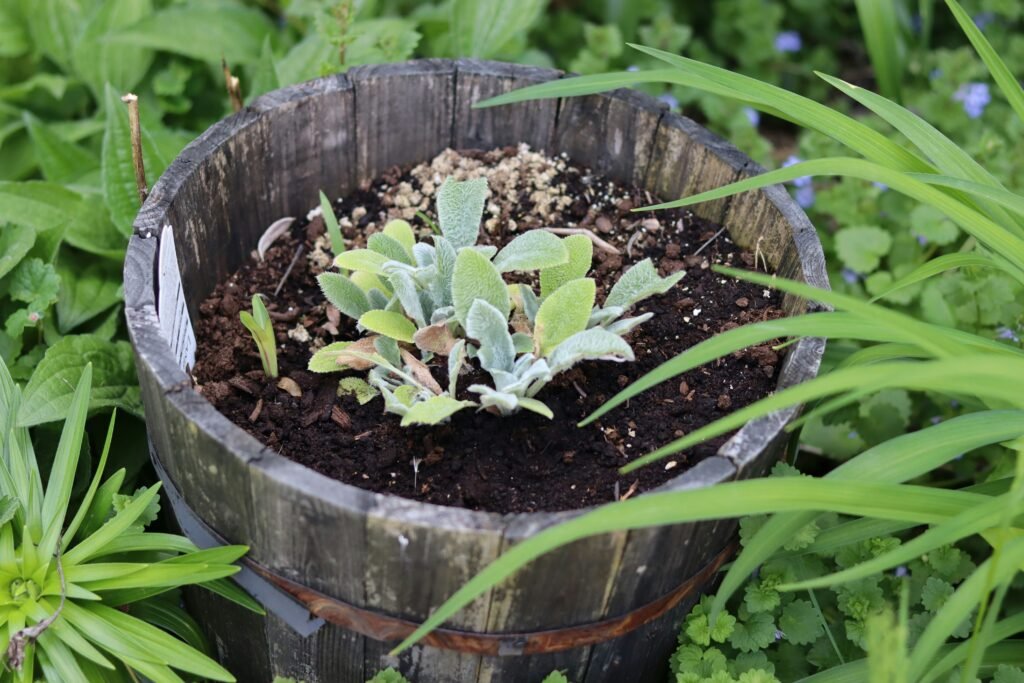
Why Native Plants?
Native plants are adapted to the local climate and soil conditions, making them more resilient and requiring less maintenance.
They also provide essential habitat and food sources for local wildlife.
Benefits of Native Plants:
- Low Maintenance: Require less water, fertilizers, and pesticides.
- Support Wildlife: Provide habitat and food for birds, insects, and other wildlife.
- Soil Health: Promote healthy soil by maintaining local biodiversity.
Examples of Native Plants:
- For North America: Black-eyed Susan, Milkweed, Purple Coneflower
- For Europe: Lavender, Foxglove, Cornflower
- For Australia: Kangaroo Paw, Bottlebrush, Grevillea
Affiliate Links:
4. Water Conservation Techniques

Efficient Watering:
- Drip Irrigation: Use drip irrigation systems to deliver water directly to the roots, reducing evaporation and runoff.
- Rainwater Harvesting: Install rain barrels to collect and store rainwater for garden use.
- Mulching: Apply mulch around plants to retain soil moisture and reduce the need for frequent watering.
Water-Saving Tips:
- Water Early: Water your garden in the early morning or late evening to minimize evaporation.
- Deep Watering: Water deeply and infrequently to encourage deep root growth.
- Plant Selection: Choose drought-tolerant plants that require less water.
Affiliate Links:
5. Composting and Soil Health
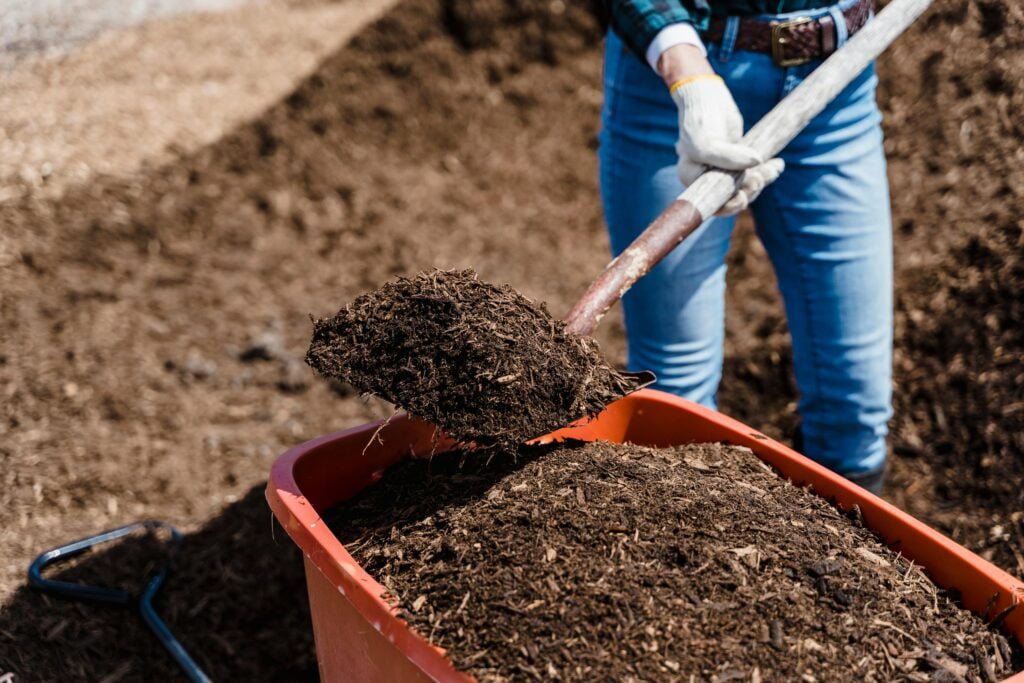
Benefits of Composting:
Composting turns kitchen scraps and garden waste into nutrient-rich compost that improves soil health and reduces landfill waste.
How to Compost:
- Set Up a Compost Bin: Choose a compost bin or build your own. Place it in a convenient, well-drained spot.
- Add Materials: Layer green materials (e.g., fruit and vegetable scraps, grass clippings) and brown materials (e.g., leaves, straw, cardboard).
- Maintain: Turn the compost regularly to aerate it and speed up decomposition. Keep it moist but not too wet.
Improving Soil Health:
- Add Compost: Incorporate compost into your soil to improve its structure and fertility.
- Use Cover Crops: Plant cover crops like clover or rye to prevent soil erosion and add nutrients.
- Rotate Crops: Rotate your crops each season to prevent soil depletion and reduce pest problems.
Affiliate Links:
6. Organic Pest Control
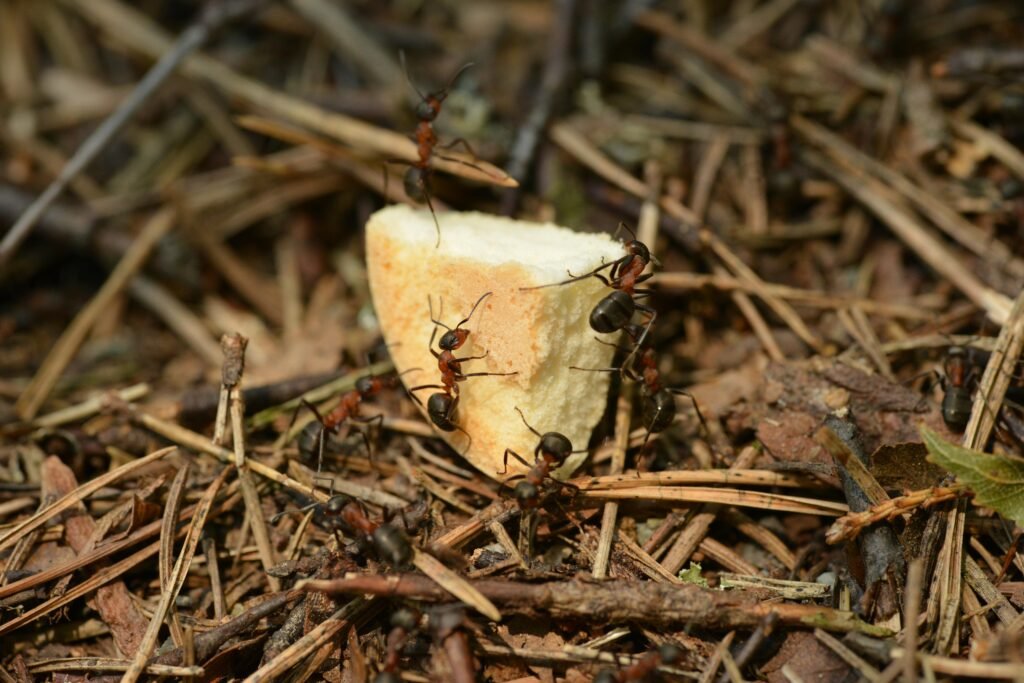
Natural Pest Control Methods:
- Beneficial Insects: Introduce beneficial insects like ladybugs, lacewings, and predatory wasps to control pests.
- Companion Planting: Plant pest-repellent plants like marigolds, basil, and mint alongside susceptible crops.
- Neem Oil: Use neem oil as a natural insecticide to control a variety of garden pests.
Preventative Measures:
- Healthy Plants: Keep plants healthy through proper watering, fertilizing, and pruning to reduce pest problems.
- Handpicking: Remove pests by hand if feasible, especially larger pests like caterpillars and beetles.
- Barriers: Use physical barriers like row covers and netting to protect plants from pests.
Affiliate Links:
7. Sustainable Garden Design
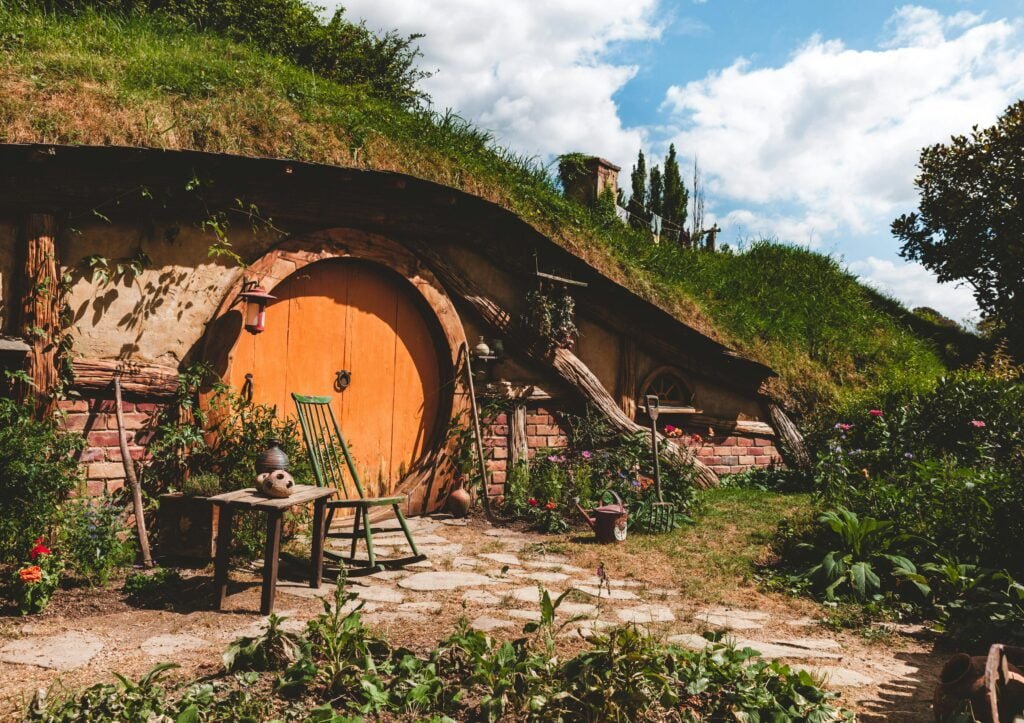
Principles of Sustainable Garden Design:
- Permaculture: Design your garden based on permaculture principles, which focus on creating self-sustaining ecosystems.
- Edible Landscaping: Incorporate edible plants into your landscape design, combining beauty with functionality.
- Use of Recycled Materials: Use recycled or repurposed materials for garden structures, pathways, and decor.
Design Ideas:
- Herb Spiral: Create a spiral-shaped herb garden to maximize space and grow a variety of herbs.
- Rain Garden: Design a rain garden to capture and filter rainwater runoff, reducing erosion and providing habitat for wildlife.
- Vertical Gardening: Use vertical gardening techniques like trellises and wall planters to save space and grow more plants.
Affiliate Links:
8. Creating Wildlife Habitats

Attracting Wildlife:
- Birdhouses and Feeders: Install birdhouses and feeders to attract birds and provide them with food and shelter.
- Pollinator Gardens: Plant flowers that attract pollinators like bees, butterflies, and hummingbirds.
- Water Features: Add a birdbath, pond, or fountain to provide water for wildlife.
Creating a Habitat:
- Native Plants: Use native plants that provide food and habitat for local wildlife.
- Shelter: Provide shelter for wildlife with shrubs, trees, and log piles.
- No Chemicals: Avoid using pesticides and herbicides that can harm wildlife.
Affiliate Links:
9. Energy-Efficient Garden Tools
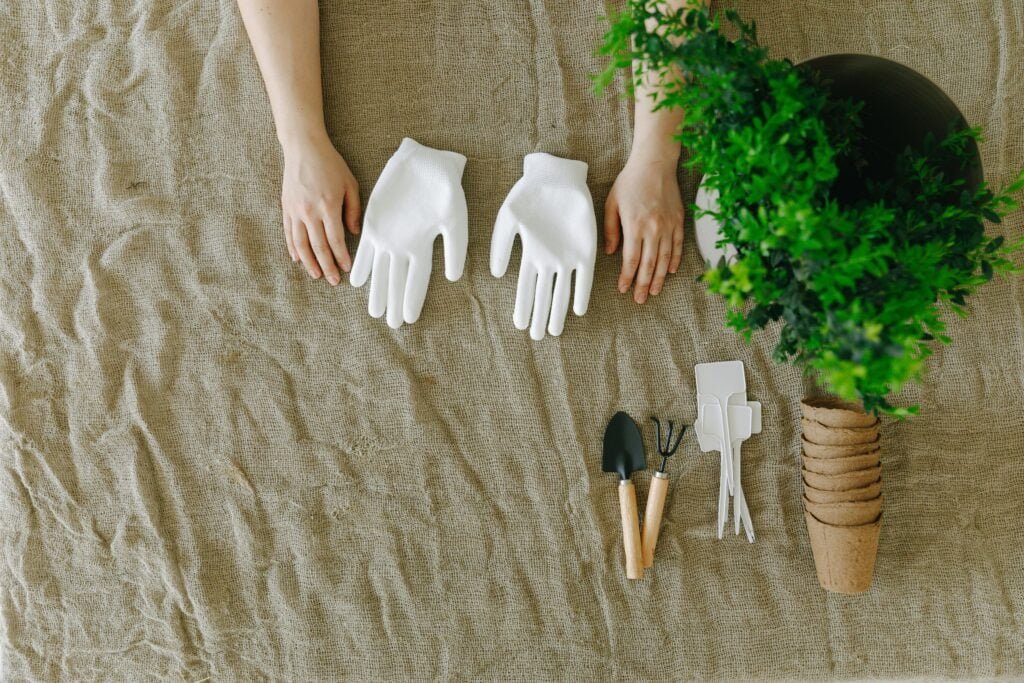
Choosing Energy-Efficient Tools:
- Manual Tools: Use manual tools like hand pruners, shears, and rakes to reduce energy consumption and emissions.
- Electric Tools: Opt for electric garden tools over gas-powered ones to reduce emissions and noise pollution.
- Solar-Powered Tools: Use solar-powered garden lights, water pumps, and other solar gadgets to harness renewable energy.
Benefits:
- Reduced Emissions: Electric and solar-powered tools produce fewer emissions than gas-powered tools.
- Energy Savings: Solar-powered tools use renewable energy, reducing your electricity bills.
- Quiet Operation: Electric and manual tools are quieter, reducing noise pollution in your garden.
Affiliate Links:
10. Product Recommendations

Eco-Friendly Garden Tools
Why You Need Them: Durable, energy-efficient, and designed for sustainable gardening practices.
Recommended Product:
Organic Seeds
Why You Need Them: Ensure your garden is free from harmful chemicals and supports biodiversity.
Recommended Product:
Compost Bins
Why You Need It: Convert kitchen scraps and garden waste into nutrient-rich compost for your garden.
Recommended Product:
Drip Irrigation Kits
Why You Need Them: Efficient watering system that conserves water and promotes healthy plant growth.
Recommended Product:
Conclusion: Cultivating a Greener Future
Creating an eco-friendly garden is more than just a hobby; it’s a commitment to sustainability and environmental stewardship.
By incorporating native plants, conserving water, composting, using organic pest control, and designing a garden that supports wildlife, you can create a beautiful and sustainable outdoor space.
Whether you’re a seasoned gardener or just starting, these practices will help you make a positive impact on the environment while enjoying the benefits of a thriving garden. The journey to a greener future begins with small steps, and every effort counts.
Start today by implementing these eco-friendly gardening practices and see the transformation in your garden and beyond. Share your experiences and inspire others to join the movement towards sustainable gardening.
Thank you for taking the time to read this guide. Together, we can cultivate a greener future, one garden at a time.