
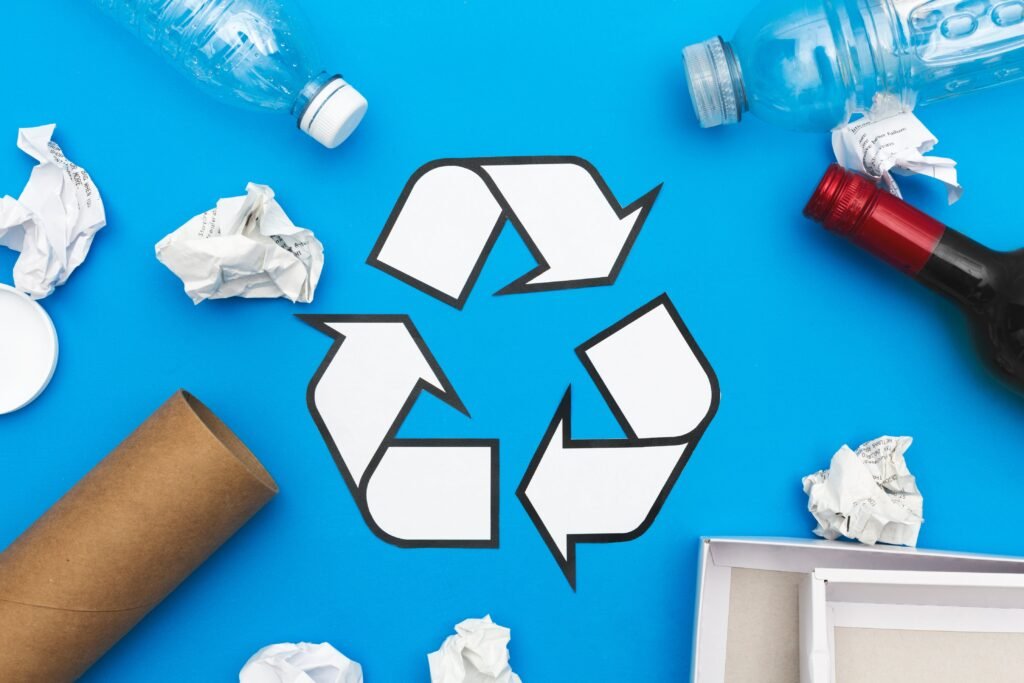
Setting up a home recycling station is an excellent way to manage waste more effectively and contribute to environmental sustainability.
By organizing your recycling efforts, you can make recycling easier, more efficient, and more consistent.
This comprehensive guide will walk you through the steps to set up a functional and efficient home recycling station, provide tips for maintaining it, and recommend some essential products to get started.
Table of Contents
- Understanding the Importance of Recycling
- Assessing Your Recycling Needs
- Choosing the Right Location
- Selecting the Right Bins and Containers
- Labeling and Signage
- Educating Your Household
- Managing Different Types of Recyclables
- Tips for Maintaining Your Recycling Station
- Common Recycling Mistakes and How to Avoid Them
- Product Recommendations
- Conclusion
1. Understanding the Importance of Recycling
Why Recycle?
Recycling helps reduce the amount of waste sent to landfills and incinerators, conserves natural resources, saves energy, and reduces greenhouse gas emissions.
By recycling, you can help protect the environment and support a sustainable future.
Environmental Benefits:
- Reduces Waste: Decreases the amount of waste sent to landfills and incinerators.
- Conserves Resources: Conserves natural resources such as timber, water, and minerals.
- Saves Energy: Saves energy compared to producing new products from raw materials.
- Reduces Pollution: Reduces greenhouse gas emissions and other pollutants.
Affiliate Links:
2. Assessing Your Recycling Needs

Before setting up your recycling station, it’s essential to assess your household’s recycling needs.
This involves understanding the types and amounts of recyclables you generate.
Step-by-Step Assessment:
- Track Your Waste: Monitor your household waste for a week. Note down the types and quantities of recyclables.
- Identify Common Items: Identify the most common recyclable items such as paper, plastic, glass, and metal.
- Determine Space Requirements: Based on the amount and types of recyclables, determine how much space you’ll need for your recycling station.
Example:
Lisa tracked her household waste for a week and found that they generated a significant amount of paper, plastic bottles, and glass jars. She decided to allocate separate bins for each type of recyclable.
Affiliate Links:
3. Choosing the Right Location
Choosing the right location for your recycling station is crucial for convenience and efficiency.
The location should be easily accessible and should not interfere with the daily activities of your household.
Considerations for Choosing a Location:
- Proximity to the Kitchen: Since the kitchen generates a lot of recyclables, consider setting up your station nearby.
- Space Availability: Ensure there is enough space to accommodate all the bins and containers.
- Accessibility: Make sure the location is easily accessible for all household members.
Possible Locations:
- Kitchen: Under the sink or in a pantry.
- Garage: Near the entrance to the house.
- Utility Room: Alongside laundry facilities.
- Backyard: If you have space, an outdoor recycling station can be effective.
Example:
John set up his recycling station in the garage near the door to the kitchen. This made it easy to take recyclables from the kitchen to the bins without taking up space inside the house.
Affiliate Links:
4. Selecting the Right Bins and Containers
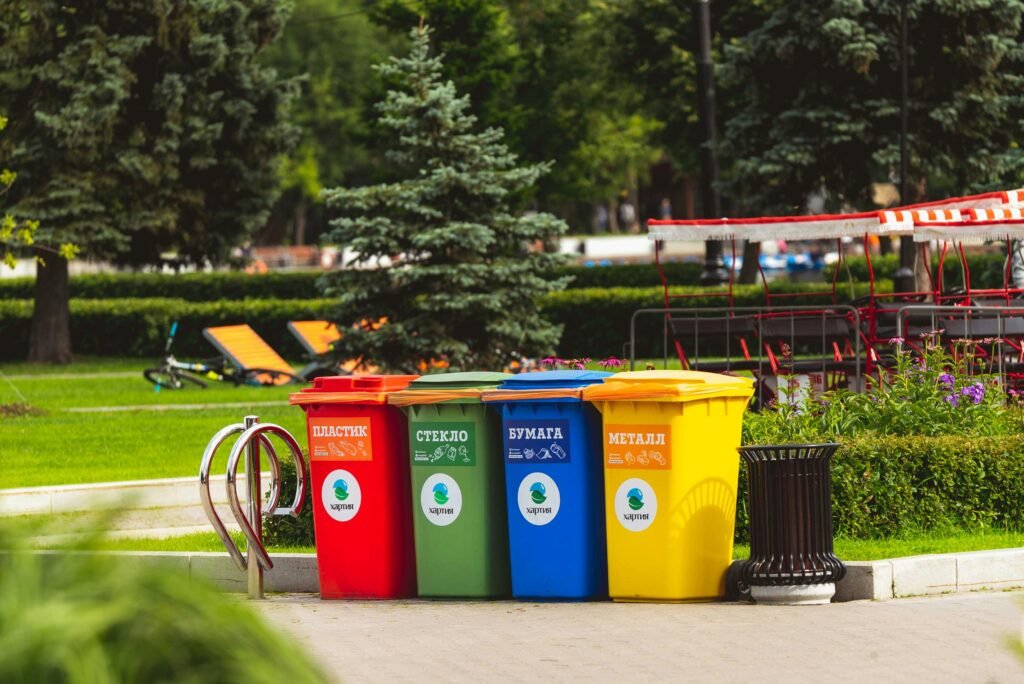
Choosing the right bins and containers is essential for an organized and efficient recycling station.
Bins should be durable, easy to clean, and appropriately sized for the types and quantities of recyclables you generate.
Types of Bins and Containers:
- Single-Stream Bins: For households with curbside single-stream recycling.
- Multi-Compartment Bins: For sorting different types of recyclables.
- Stackable Bins: For limited space, stackable bins can save room.
- Outdoor Bins: For storing recyclables until pickup day.
Features to Look For:
- Durability: Bins should be sturdy and long-lasting.
- Easy to Clean: Smooth surfaces and removable lids make cleaning easier.
- Size: Choose sizes that fit your space and volume of recyclables.
- Lids: Lids can help contain odors and keep pests out.
Example:
Emily chose a multi-compartment bin system for her recycling station, with separate sections for paper, plastic, and glass. The bins were stackable, which saved space in her small kitchen.
Affiliate Links:
5. Labeling and Signage
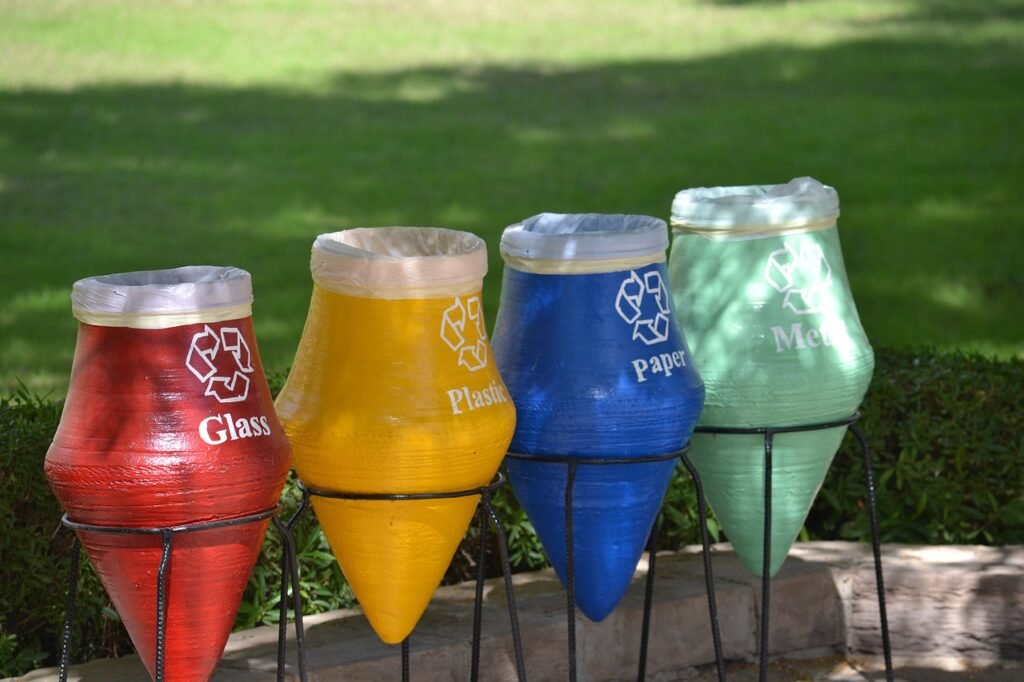
Proper labeling and signage are critical for ensuring that everyone in your household knows how to use the recycling station correctly.
Tips for Effective Labeling:
- Clear Labels: Use clear, easy-to-read labels for each bin.
- Pictures and Icons: Include pictures or icons to help identify the type of recyclable.
- Instructions: Provide simple instructions if needed (e.g., rinse containers before recycling).
DIY Labeling:
- Printable Labels: Create and print your own labels using online templates.
- Laminated Labels: Laminate labels for durability.
- Chalkboard Labels: Use chalkboard labels for a customizable option.
Example:
Tom created printable labels with icons and instructions for each bin in his recycling station. He laminated the labels to ensure they would last and be easy to clean.
Affiliate Links:
6. Educating Your Household

Education is key to the success of your recycling station.
Ensure that all household members understand the importance of recycling and how to use the recycling station correctly.
Ways to Educate Your Household:
- Family Meetings: Hold a family meeting to discuss the recycling station and its importance.
- Instruction Sheets: Provide instruction sheets near the recycling station.
- Involve Children: Teach children about recycling and involve them in setting up and maintaining the station.
Example:
Sarah held a family meeting to explain the new recycling station and its benefits. She also created a fun recycling game for her children to help them learn what can and cannot be recycled.
Affiliate Links:
7. Managing Different Types of Recyclables
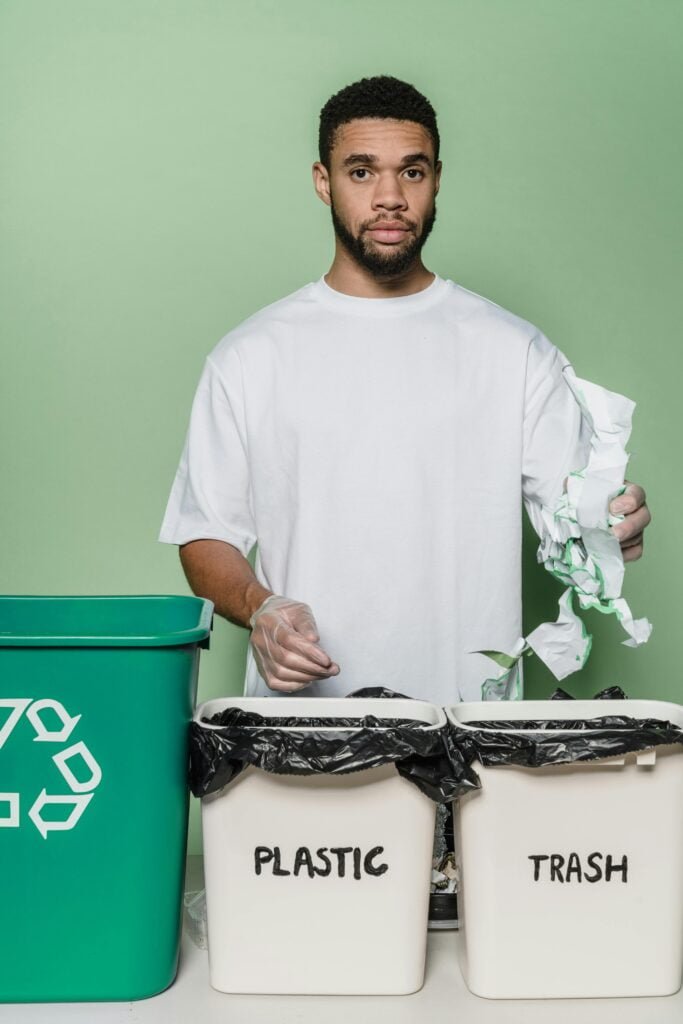
Different types of recyclables require different handling and sorting.
Here’s a guide to managing common recyclables:
7.1 Paper and Cardboard
- Preparation: Flatten cardboard boxes and stack newspapers.
- Common Items: Newspapers, magazines, cardboard boxes, office paper.
- Storage: Use a dedicated bin or basket for paper and cardboard.
7.2 Plastics
- Preparation: Rinse and dry plastic containers.
- Common Items: Bottles, containers, bags, packaging.
- Storage: Use a bin with a lid to contain odors and keep pests out.
7.3 Glass
- Preparation: Rinse glass containers and remove lids.
- Common Items: Bottles, jars.
- Storage: Use a sturdy bin to prevent breakage.
7.4 Metals
- Preparation: Rinse and flatten cans if possible.
- Common Items: Aluminum cans, tin cans.
- Storage: Use a bin with a lid to contain sharp edges.
Example:
David set up separate bins for paper, plastics, glass, and metals in his recycling station. He labeled each bin with clear instructions and icons to help his family sort recyclables correctly.
Affiliate Links:
8. Tips for Maintaining Your Recycling Station
Maintaining your recycling station is crucial for ensuring it remains effective and efficient.
Maintenance Tips:
- Regular Cleaning: Clean bins regularly to prevent odors and pests.
- Monitor Bins: Check bins periodically and empty them as needed.
- Review and Adjust: Periodically review your recycling habits and adjust the station as needed.
- Stay Informed: Keep up with local recycling guidelines and updates.
Example:
Linda set a weekly schedule to clean her recycling bins and check for any needed adjustments. She also subscribed to her local recycling program’s newsletter to stay informed about any changes.
Affiliate Links:
9. Common Recycling Mistakes and How to Avoid Them
Avoiding common recycling mistakes ensures that your recyclables are processed correctly and efficiently.
Common Mistakes:
- Contamination: Placing non-recyclable items in recycling bins.
- Dirty Recyclables: Not rinsing food containers before recycling.
- Plastic Bags: Using plastic bags to collect recyclables (they often cannot be recycled curbside).
How to Avoid Them:
- Educate Yourself: Learn what can and cannot be recycled in your area.
- Rinse and Clean: Always rinse food containers before recycling.
- Use Alternatives: Use paper bags or reusable containers for collecting recyclables.
Example:
Mary learned that plastic bags should not be placed in her curbside recycling bin. She started using paper bags to collect recyclables and made sure to rinse all containers before recycling.
Affiliate Links:
10. Product Recommendations
Multi-Compartment Recycling Bin
Why You Need It: A multi-compartment bin helps you sort recyclables efficiently and saves space.
Recommended Product:
Stackable Recycling Bins
Why You Need Them: Stackable bins are perfect for small spaces and allow you to organize different types of recyclables.
Recommended Product:
Outdoor Recycling Bin
Why You Need It: An outdoor bin provides a convenient place to store recyclables until pickup day.
Recommended Product:
Labeling Supplies
Why You Need Them: Clear labels and signage ensure everyone in your household knows how to sort recyclables correctly.
Recommended Product:
Conclusion
Setting up a home recycling station is a simple yet impactful way to manage waste more effectively and support environmental sustainability.
By assessing your recycling needs, choosing the right location, selecting appropriate bins and containers, and educating your household, you can create an efficient and organized recycling system.
Maintaining your recycling station and avoiding common recycling mistakes will ensure that your efforts are effective and contribute to a cleaner, healthier planet. With the right tools and knowledge, you can make recycling a seamless part of your daily routine.
If you found this guide helpful, share it with your friends and family. Together, we can make a positive impact on the environment by embracing recycling and sustainable practices.