Introduction
Shopping for second-hand clothes online is a fantastic way to find unique, stylish, and affordable fashion pieces while supporting sustainability.
This guidebook will walk you through the entire process, from selecting the right platforms to identifying quality items and making secure purchases.
Whether you’re a seasoned thrifter or new to the world of second-hand shopping, this comprehensive guide will help you master the art of buying pre-loved clothing online.
Chapter 1: Why Shop for Second-Hand Clothes Online?
Benefits of Second-Hand Shopping
- Sustainability: Buying second-hand reduces the demand for new clothing production, conserving resources and reducing waste.
- Affordability: Second-hand clothes are often much cheaper than new items, allowing you to save money.
- Unique Finds: Discover one-of-a-kind pieces and vintage items that you won’t find in regular stores.
- Supporting Charities: Many second-hand platforms support charitable causes with their sales.
Real-Life Example: Sarah, a fashion blogger, explains how she transformed her wardrobe with unique second-hand finds and saved hundreds of dollars in the process.
Chapter 2: Choosing the Right Platforms
Popular Online Thrift Stores
- ThredUp: Offers a wide variety of women’s and children’s clothing. Known for its thorough quality checks.
- Website: ThredUp
- Poshmark: A social marketplace where users can buy and sell new or gently used clothing.
- Website: Poshmark
- Depop: Focuses on vintage and unique fashion items, popular among younger shoppers.
- Website: Depop
- eBay: A global platform for buying and selling a wide range of second-hand goods, including clothing.
- Website: eBay
- Etsy: Known for handmade and vintage items, including unique and custom clothing.
- Website: Etsy
Expert Advice: Emma Green, a fashion consultant, shares tips on choosing the best platform based on your style and needs.
Chapter 3: Setting Up Your Profile
Creating a Profile
- Registering an Account: Sign up on your chosen platform with a secure password.
- Setting Preferences: Customize your profile with size preferences, favorite brands, and style interests.
- Following Sellers: Follow sellers who align with your style to stay updated on their new listings.
Visual Example: Screenshots showing how to set up a profile on ThredUp, Poshmark, and Depop.
Chapter 4: Searching for Items
Effective Search Strategies
- Using Filters: Utilize filters for size, brand, condition, and price to narrow down your search.
- Keyword Searches: Use specific keywords like “vintage Levi’s jeans” or “bohemian maxi dress” for targeted results.
- Saved Searches: Set up saved searches to get notified when new items matching your criteria are listed.
Pro Tip: Combine multiple filters to refine your search results further and find exactly what you’re looking for.
Chapter 5: Evaluating Quality
Assessing Item Condition
- Reading Descriptions: Carefully read item descriptions for details on condition, measurements, and any flaws.
- Examining Photos: Look at all provided photos, paying close attention to signs of wear or damage.
- Asking Questions: Don’t hesitate to message the seller for additional photos or information.
Visual Example: Comparison of good vs. poor quality item listings, highlighting key areas to check.
Chapter 6: Making Secure Purchases
Payment and Shipping
- Secure Payment Methods: Use secure payment options like PayPal, credit cards, or in-app payment systems.
- Shipping Policies: Check the platform’s shipping policies, including costs, delivery times, and return options.
- Seller Ratings: Review seller ratings and feedback to ensure reliability.
Expert Advice: Cybersecurity expert John Smith provides tips on avoiding scams and protecting your financial information.
Chapter 7: Caring for Your Second-Hand Clothes
Cleaning and Maintenance
- Washing Guidelines: Follow proper washing instructions for different fabrics to extend the life of your clothes.
- Stain Removal: Use eco-friendly stain removers for second-hand items.
- Storage Tips: Store your clothes properly to prevent damage and keep them in good condition.
Real-Life Example: Jessica, a thrift store owner, shares her best practices for maintaining the quality of second-hand clothes.
Chapter 8: Selling Your Own Clothes
Becoming a Seller
- Listing Items: Tips on taking high-quality photos and writing detailed descriptions.
- Pricing Strategies: How to price your items competitively while ensuring a fair profit.
- Customer Service: Providing excellent customer service to build a good reputation and attract repeat buyers.
Visual Example: Step-by-step guide to listing an item on Poshmark and Depop.
Chapter 9: Ethical Considerations
Supporting Ethical Practices
- Researching Brands: Ensure the brands you buy from align with ethical practices.
- Fair Pricing: Understand the true value of second-hand items and avoid exploiting sellers.
- Supporting Local: Consider buying from local sellers to reduce carbon footprint and support your community.
Expert Advice: Sustainable fashion advocate, Linda Brown, discusses the importance of ethical shopping and supporting fair trade.
Chapter 10: Community and Networking
Engaging with the Second-Hand Community
- Joining Groups: Participate in online groups and forums dedicated to second-hand shopping.
- Attending Events: Join virtual or local second-hand shopping events and meetups.
- Sharing Your Finds: Share your favorite finds and upcycling projects on social media to inspire others.
Pro Tip: Building a network of like-minded individuals can enhance your second-hand shopping experience and open up new opportunities.
Conclusion
Shopping for second-hand clothes online is a rewarding and sustainable way to enhance your wardrobe. By following the steps and tips outlined in this guidebook, you can find unique pieces, save money, and make a positive impact on the environment. Happy thrifting!
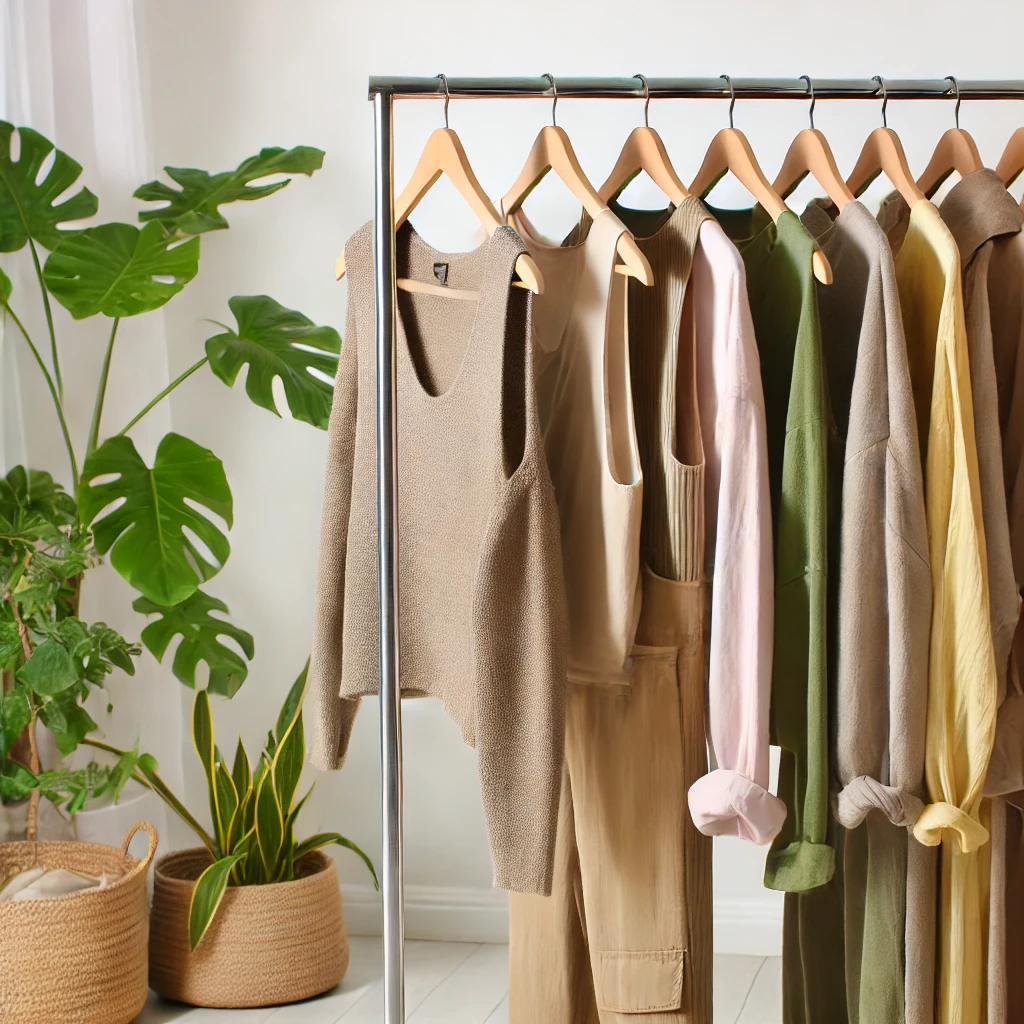
Visual Example: A collage of second-hand fashion finds styled in various outfits.