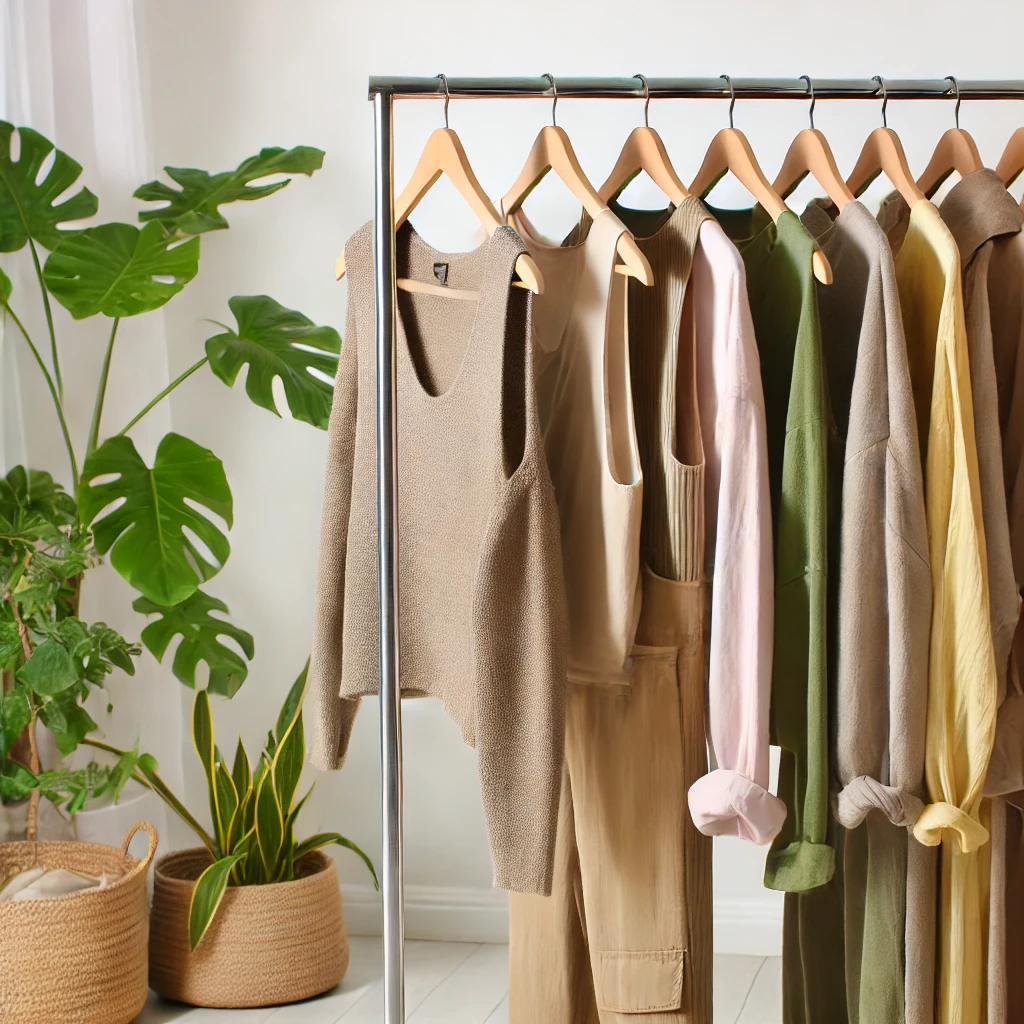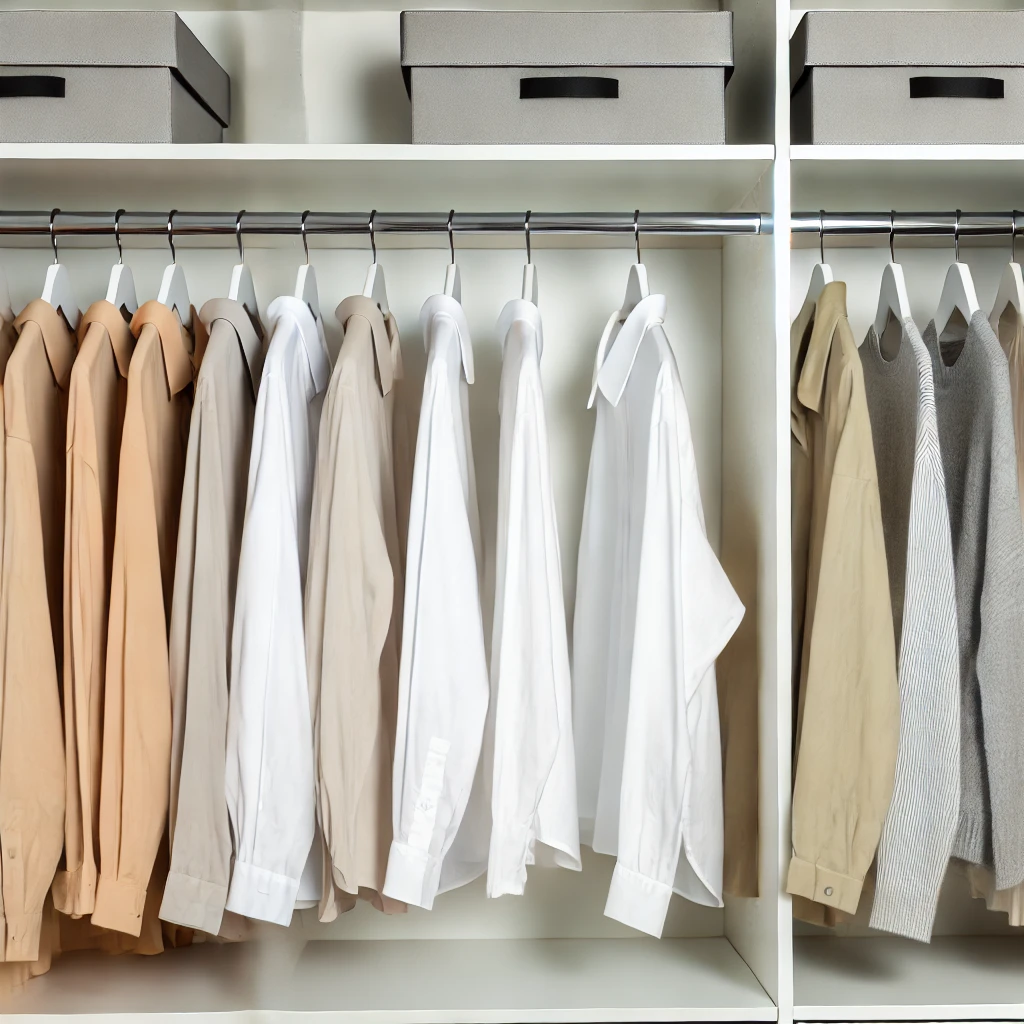
Upcycling old clothes is a fantastic way to breathe new life into your wardrobe while promoting sustainability.
Instead of discarding worn-out or outdated garments, you can transform them into stylish, unique pieces.
This comprehensive guide will provide you with step-by-step instructions, creative ideas, and practical tips for upcycling old clothes.
Whether you’re a seasoned DIY enthusiast or a beginner looking to get started, this guide will inspire you to create fashionable items from your old clothes.
1. Introduction to Upcycling
Upcycling is the process of transforming old or discarded items into new, higher-quality products.
In the context of fashion, upcycling involves creatively reworking old clothes to give them a fresh, stylish look.
This practice not only helps reduce waste but also allows you to express your creativity and develop a unique sense of style.
Benefits of Upcycling Clothes:
- Environmental Impact: Reduces textile waste and conserves resources.
- Cost Savings: Saves money by repurposing existing items instead of buying new ones.
- Unique Style: Allows you to create one-of-a-kind pieces that reflect your personality.
- Creative Outlet: Provides a fun and rewarding creative activity.
Personal Anecdote:
Anna, a fashion enthusiast, shares her experience: “Upcycling has transformed the way I view my wardrobe. I love turning old clothes into new, stylish pieces. It’s a great way to stay fashionable while being eco-friendly.”
2. Preparing for Upcycling
Before you start upcycling, it’s essential to prepare and gather the necessary tools and materials.
Here are some tips to help you get started.
Assess Your Wardrobe:
- Identify Items to Upcycle:
- Go through your wardrobe and set aside clothes that are worn out, outdated, or no longer fit.
- Consider items with interesting fabrics, patterns, or colors.
- Evaluate Condition:
- Check for stains, tears, or damage. Some issues can be easily fixed, while others may require more creative solutions.
Gather Tools and Materials:
- Basic Sewing Kit:
- Needles, thread, scissors, and pins.
- A sewing machine is optional but can speed up the process.
- Additional Supplies:
- Fabric glue, iron-on patches, and fabric paint or dye.
- Embellishments like buttons, ribbons, and beads.
- Workspace:
- Set up a clean, well-lit workspace with enough room to spread out your materials.
Inspiration and Ideas:
- Create a Mood Board:
- Collect images of upcycled clothing projects, fashion trends, and design ideas.
- Use platforms like Pinterest and Instagram for inspiration.
- Plan Your Projects:
- Sketch your ideas and make notes about the materials and techniques you’ll need.
- Start with simple projects and gradually work on more complex ones as you gain confidence.
Affiliate Links:
Visual Example:
3. Simple Upcycling Projects for Beginners
If you’re new to upcycling, start with simple projects that require minimal sewing and basic techniques.
Here are some beginner-friendly upcycling ideas to get you started.
1. T-Shirt to Tote Bag
Transform an old t-shirt into a reusable tote bag with just a few simple steps.
Materials:
- Old t-shirt
- Scissors
- Fabric glue or sewing kit
Steps:
- Cut the Sleeves: Cut off the sleeves of the t-shirt, following the seams.
- Create the Handles: Cut off the neckline to create two handles.
- Seal the Bottom: Turn the t-shirt inside out and sew or glue the bottom closed.
- Reinforce the Seams: Turn the t-shirt right-side out and reinforce the seams if necessary.
2. Jeans to Shorts
Give an old pair of jeans a new lease on life by turning them into stylish shorts.
Materials:
- Old jeans
- Scissors
- Sewing kit (optional)
Steps:
- Mark the Length: Try on the jeans and mark the desired length for the shorts.
- Cut the Legs: Cut off the legs just above the marks, leaving some extra length for adjustments.
- Finish the Edges: Roll up the hems for a clean look or leave them raw for a frayed style.
- Add Details: Add embellishments like patches, embroidery, or fabric paint to personalize your shorts.
3. Sweater to Mittens
Turn an old sweater into cozy mittens with this simple upcycling project.
Materials:
- Old sweater
- Scissors
- Sewing kit
Steps:
- Trace Your Hands: Place your hands on the sweater and trace around them, leaving some extra space for seams.
- Cut Out the Mittens: Cut out the mitten shapes from the sweater fabric.
- Sew the Edges: Sew the edges of the mittens together, leaving the wrist area open.
- Finish the Wrists: Hem the wrist area or add a cuff for a finished look.
Affiliate Links:
Visual Example:
4. Intermediate Upcycling Projects
Once you’ve mastered some basic upcycling techniques, you can move on to more intermediate projects that involve more sewing and creativity.
Here are a few ideas to inspire you.
1. Dress to Skirt
Convert an old dress into a stylish skirt by removing the top and adding a waistband.
Materials:
- Old dress
- Scissors
- Elastic band
- Sewing kit
Steps:
- Remove the Top: Cut off the top of the dress, leaving the skirt portion intact.
- Create the Waistband: Fold the top edge of the skirt over and sew a casing for the elastic band.
- Insert the Elastic: Insert the elastic band into the casing and sew the ends together.
- Finish the Waistband: Sew the opening of the casing closed and adjust the elastic for a comfortable fit.
2. Patchwork Denim Jacket
Give an old denim jacket a unique look by adding fabric patches and embellishments.
Materials:
- Old denim jacket
- Fabric scraps
- Scissors
- Fabric glue or sewing kit
Steps:
- Cut Fabric Patches: Cut fabric scraps into various shapes and sizes for patches.
- Arrange the Patches: Arrange the patches on the jacket to create a visually appealing design.
- Attach the Patches: Use fabric glue or sew the patches onto the jacket.
- Add Embellishments: Add buttons, beads, or embroidery to enhance the design.
3. Shirt to Apron
Transform an old button-up shirt into a functional apron for cooking or crafting.
Materials:
- Old button-up shirt
- Scissors
- Sewing kit
Steps:
- Cut the Shirt: Cut off the sleeves and back of the shirt, leaving the front and collar intact.
- Shape the Apron: Cut the sides of the shirt to create the desired apron shape.
- Create the Ties: Use the fabric from the sleeves to create ties for the apron.
- Sew the Edges: Hem the edges of the apron and attach the ties to the sides.
Affiliate Links:
Visual Example:
5. Advanced Upcycling Projects
For those with advanced sewing skills and a creative flair, here are some challenging upcycling projects that will truly transform your old clothes into statement pieces.
1. Quilt from Old T-Shirts
Create a cozy quilt using old t-shirts with sentimental value or interesting graphics.
Materials:
- Old t-shirts
- Scissors
- Sewing machine
- Quilt batting and backing fabric
Steps:
- Cut T-Shirt Squares: Cut squares from the t-shirts, ensuring they are all the same size.
- Arrange the Squares: Arrange the squares in a visually pleasing pattern.
- Sew the Squares Together: Sew the squares together in rows, then sew the rows together.
- Add Batting and Backing: Place the quilt top on the batting and backing fabric, then sew them together.
- Finish the Quilt: Trim the edges and add a binding to finish the quilt.
2. Maxi Dress to Two-Piece Set
Convert an old maxi dress into a trendy two-piece set with a crop top and skirt.
Materials:
- Old maxi dress
- Scissors
- Sewing kit
- Elastic band (optional)
Steps:
- Cut the Dress: Cut the dress into two pieces: a crop top and a skirt.
- Finish the Edges: Hem the edges of the crop top and skirt.
- Add a Waistband: Add an elastic band or create a waistband for the skirt if necessary.
- Customize the Set: Add embellishments, adjust the fit, and style the two-piece set.
3. Tailored Blazer from Oversized Jacket
Transform an oversized jacket into a fitted, tailored blazer with some advanced sewing techniques.
Materials:
- Oversized jacket
- Scissors
- Sewing machine
- Tailor’s chalk and pins
Steps:
- Remove the Sleeves: Carefully remove the sleeves from the jacket.
- Tailor the Body: Take in the sides of the jacket to create a more fitted shape. Use tailor’s chalk and pins to mark the adjustments.
- Reattach the Sleeves: Adjust the sleeves for a better fit and reattach them to the jacket.
- Finish the Details: Hem the edges, add darts, and make any additional adjustments for a polished look.
Affiliate Links:
Visual Example:
6. Sustainable Fashion Tips
In addition to upcycling, there are several other ways to embrace sustainable fashion and make eco-friendly choices in your wardrobe.
1. Shop Second-Hand:
- Visit thrift stores, consignment shops, and online resale platforms to find unique, pre-loved items.
- Buying second-hand reduces demand for new production and minimizes waste.
2. Support Sustainable Brands:
- Choose brands that prioritize sustainability, ethical production, and eco-friendly materials.
- Look for certifications like Fair Trade, GOTS, and OEKO-TEX.
3. Buy Less, Choose Well:
- Focus on quality over quantity and invest in timeless, durable pieces.
- Avoid fast fashion and impulsive purchases.
4. Care for Your Clothes:
- Wash clothes less frequently and use cold water to save energy.
- Repair and maintain your garments to extend their lifespan.
5. Educate Yourself:
- Stay informed about sustainable fashion practices and share your knowledge with others.
- Follow blogs, read books, and watch documentaries on sustainable fashion.
Affiliate Links:
Visual Example:
7. Case Studies: Inspiring Upcycling Stories
Hearing about others’ upcycling successes can be inspiring and motivating.
Here are a few case studies from individuals who have embraced upcycling and transformed their wardrobes.
Case Study 1: The Fashion Designer
Lena, a fashion designer, shares her journey: “I started upcycling as a way to reduce waste and create unique designs. Over time, it became a core part of my brand. My customers love the one-of-a-kind pieces, and I feel good knowing I’m making a positive impact on the environment.”
Case Study 2: The DIY Enthusiast
Tom, a DIY enthusiast, shares his experience: “Upcycling old clothes has become a fun and rewarding hobby. I enjoy the creative process and the challenge of transforming something old into something new. Plus, it’s a great way to save money and reduce waste.”
Case Study 3: The Eco-Conscious Family
The Smith family shares their story: “As a family, we’ve embraced upcycling as part of our commitment to sustainable living. We regularly host upcycling workshops and involve our kids in creative projects. It’s a wonderful way to teach them about sustainability and creativity.”
8. Overcoming Common Upcycling Challenges
Upcycling can be challenging, especially if you’re new to sewing or DIY projects.
Here are some common challenges and tips for overcoming them.
Challenge 1: Lack of Sewing Skills
- Solution: Start with simple projects that require minimal sewing. Take online sewing classes or watch tutorial videos to improve your skills over time.
Challenge 2: Finding Inspiration
- Solution: Create a mood board with images of upcycled projects, fashion trends, and design ideas. Follow DIY and upcycling blogs for inspiration.
Challenge 3: Limited Tools and Materials
- Solution: Begin with basic tools and materials and gradually build your collection as you take on more projects. Use what you have on hand and get creative with repurposing items.
Challenge 4: Fear of Making Mistakes
- Solution: Embrace mistakes as part of the learning process. Start with items you don’t mind experimenting on and practice your skills.
Expert Tips:
Mary Johnson, a professional stylist, advises, “Upcycling requires patience and creativity. Don’t be afraid to experiment and have fun with your projects. The more you practice, the more confident you’ll become.”
Affiliate Links:
Visual Example:
9. Sustainable Fashion Influencers to Follow
Following sustainable fashion influencers can provide inspiration, tips, and ideas for upcycling and eco-friendly living.
Here are some influencers to check out.
1. Aja Barber
- Instagram: @ajabarber
- Focus: Sustainable fashion, social justice, and ethical living.
2. Elizabeth L. Cline
- Instagram: @elizabethlcline
- Focus: Author of “The Conscious Closet,” sustainable fashion, and advocacy.
3. Jenny Mustard
- Instagram: @jennymustard
- Focus: Minimalism, sustainable fashion, and lifestyle.
4. Venetia La Manna
- Instagram: @venetialamanna
- Focus: Fair fashion, ethical living, and activism.
5. Kristen Leo
- Instagram: @kristenleo
- Focus: Ethical fashion, sustainable living, and veganism.
Affiliate Links:
Visual Example:
10. Conclusion: Embrace Upcycling for a Sustainable Future
Upcycling old clothes is a creative and impactful way to promote sustainability and express your unique style.
By transforming worn-out or outdated garments into fashionable, functional items, you can reduce waste, save money, and make a positive environmental impact.
Remember, upcycling is a journey. Start with simple projects, build your skills, and let your creativity guide you. Whether you’re a seasoned DIY enthusiast or just starting, there are endless possibilities for upcycling old clothes into new, stylish pieces.
Thank you for joining us on this comprehensive guide to upcycling old clothes. If you found this information helpful, please share it with your friends and family to inspire them to embrace sustainable fashion.