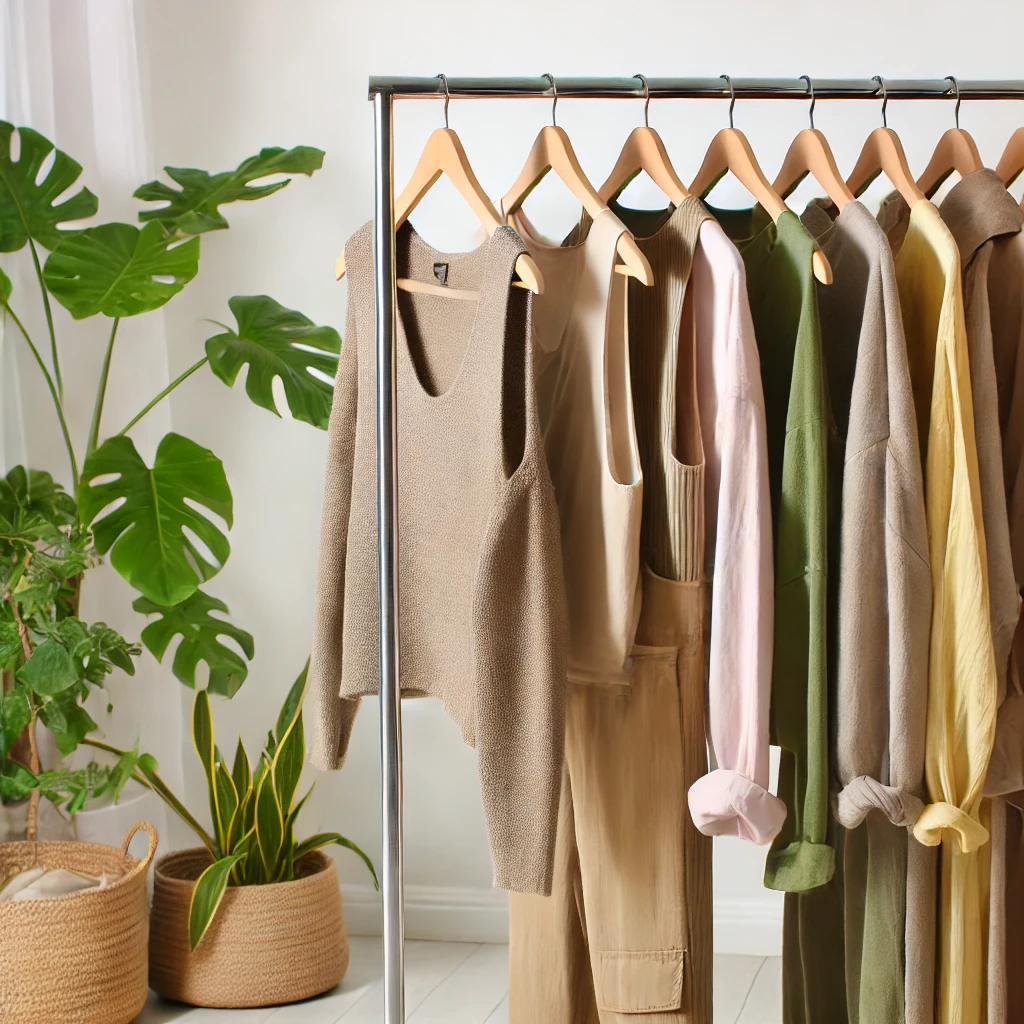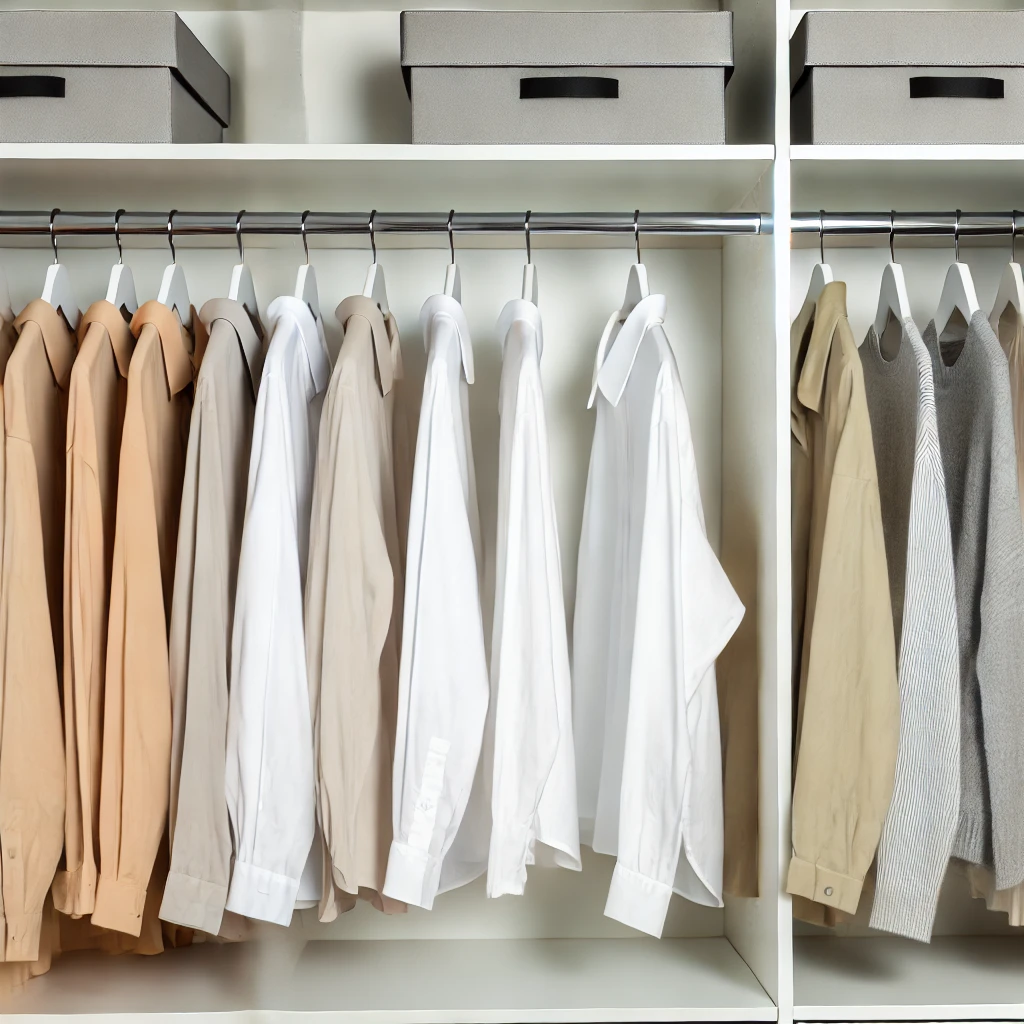
Welcome to the future of fashion! As we move into 2024, the fashion industry is experiencing a significant shift towards sustainability and ethical practices.
This comprehensive guide explores the top sustainable fashion trends for the year, featuring insights from industry experts, designers, and influencers.
Whether you’re a fashion enthusiast or an eco-conscious consumer, this guide will help you stay ahead of the curve with the latest trends in sustainable fashion.
Table of Contents
- Introduction: The Rise of Sustainable Fashion
- Trend 1: Circular Fashion
- Interview with Stella McCartney
- Trend 2: Plant-Based Fabrics
- Expert Insights on Innovative Materials
- Trend 3: Digital Fashion
- Exploring the Virtual Fashion World
- Trend 4: Slow Fashion Movement
- Case Study: The Minimalist Wardrobe
- Trend 5: Transparent Supply Chains
- How Blockchain is Changing Fashion
- Trend 6: Upcycled and Recycled Fashion
- Creative Projects and Brands Leading the Way
- Trend 7: Gender-Neutral Collections
- Interview with Rad Hourani
- Trend 8: Rental and Subscription Services
- The Future of Fashion Consumption
- Conclusion: Embrace Sustainable Fashion for a Better Future
1. Introduction: The Rise of Sustainable Fashion
The fashion industry is undergoing a transformation. Consumers are increasingly demanding eco-friendly and ethical options, and brands are responding with innovative solutions.
Sustainable fashion is no longer a niche market; it’s becoming mainstream. From reducing carbon footprints to ensuring fair labor practices, the fashion world is embracing change.
Let’s dive into the top trends that are shaping the future of sustainable fashion in 2024.
Visual Example:
2. Trend 1: Circular Fashion
Circular fashion is about creating a closed-loop system where garments are designed, produced, and disposed of in a way that minimizes waste and maximizes resource efficiency.
This trend focuses on recycling, upcycling, and reusing materials to create new products.
Interview with Stella McCartney
Stella McCartney, a pioneer in sustainable fashion, shares her thoughts on circular fashion:
Q: How do you incorporate circular fashion principles into your designs?
A: “At Stella McCartney, we prioritize materials that can be recycled or upcycled. We design with the end-of-life in mind, ensuring that every piece can be repurposed. It’s about creating a fashion ecosystem where nothing goes to waste.”
Q: What challenges do you face in promoting circular fashion?
A: “One of the biggest challenges is changing consumer behavior. People are used to disposable fashion, so we need to educate them on the benefits of circular fashion and make it accessible and desirable.”
Visual Example:
3. Trend 2: Plant-Based Fabrics
Plant-based fabrics are revolutionizing the fashion industry.
These sustainable materials, derived from plants, offer eco-friendly alternatives to traditional textiles. Some of the most innovative plant-based fabrics include:
- Piñatex: Made from pineapple leaves, Piñatex is a sustainable alternative to leather.
- Mushroom Leather: Created from mycelium, the root structure of mushrooms, this fabric is biodegradable and versatile.
- Hemp: Known for its durability and low environmental impact, hemp is becoming a popular choice for sustainable fashion.
Expert Insights on Innovative Materials
Dr. Laura Green, a textile scientist, discusses the potential of plant-based fabrics:
Q: What are the environmental benefits of plant-based fabrics?
A: “Plant-based fabrics typically require less water and fewer chemicals than conventional textiles. They are biodegradable and can be produced in a way that supports biodiversity and soil health.”
Q: How do plant-based fabrics compare in terms of durability and quality?
A: “Many plant-based fabrics, like hemp and mushroom leather, are incredibly durable and versatile. They offer similar, if not superior, qualities to traditional materials, making them suitable for a wide range of applications.”
Visual Example:
4. Trend 3: Digital Fashion
Digital fashion is an emerging trend that merges technology and fashion, offering a virtual alternative to physical garments.
This trend is driven by the rise of virtual reality (VR) and augmented reality (AR), allowing consumers to wear digital outfits in virtual environments.
Exploring the Virtual Fashion World
Digital fashion offers several advantages:
- Sustainability: Reduces the need for physical production and minimizes waste.
- Creativity: Allows designers to experiment with innovative designs without material constraints.
- Accessibility: Makes high fashion accessible to a broader audience through digital platforms.
Visual Example:
5. Trend 4: Slow Fashion Movement
The slow fashion movement advocates for mindful consumption, quality over quantity, and sustainable production methods.
This trend encourages consumers to invest in timeless, durable pieces that will last for years.
Case Study: The Minimalist Wardrobe
Marie Kondo, a decluttering expert, shares her approach to the minimalist wardrobe:
Q: What are the key principles of a minimalist wardrobe?
A: “A minimalist wardrobe focuses on quality, versatility, and personal style. It’s about curating a collection of pieces that you truly love and wear regularly, rather than accumulating unnecessary items.”
Q: How can consumers transition to a minimalist wardrobe?
A: “Start by decluttering your current wardrobe and identifying the pieces that bring you joy. Invest in high-quality, timeless items that can be mixed and matched. It’s a gradual process that requires mindfulness and intentionality.”
Visual Example:
6. Trend 5: Transparent Supply Chains
Transparency in the supply chain is becoming increasingly important as consumers demand to know where and how their clothes are made.
Blockchain technology is playing a crucial role in enhancing transparency and traceability in the fashion industry.
How Blockchain is Changing Fashion
Blockchain technology offers several benefits for the fashion industry:
- Traceability: Ensures that every step of the production process is recorded and verifiable.
- Accountability: Holds brands accountable for their environmental and social impacts.
- Consumer Trust: Builds trust with consumers by providing transparent information about the origins of their clothing.
Visual Example:
7. Trend 6: Upcycled and Recycled Fashion
Upcycling and recycling are key components of sustainable fashion. These practices involve transforming old or discarded materials into new, valuable products.
Creative Projects and Brands Leading the Way
Several brands and designers are leading the way in upcycled and recycled fashion:
- Patagonia: Known for its commitment to sustainability, Patagonia offers a range of products made from recycled materials.
- Eileen Fisher: The company’s Renew program takes back old garments and transforms them into new pieces.
- Zero Waste Daniel: A designer who creates clothing from fabric scraps and textile waste.
Visual Example:
8. Trend 7: Gender-Neutral Collections
Gender-neutral fashion is gaining traction as consumers seek inclusive and versatile clothing options.
This trend promotes clothing that can be worn by anyone, regardless of gender.
Interview with Rad Hourani
Rad Hourani, a designer known for his gender-neutral collections, shares his insights:
Q: What inspired you to create gender-neutral collections?
A: “I believe fashion should be inclusive and free from traditional gender norms. My designs are meant to be versatile and adaptable, allowing anyone to wear them.”
Q: How do you see the future of gender-neutral fashion?
A: “I see gender-neutral fashion becoming more mainstream as consumers continue to embrace diversity and inclusivity. It’s about creating a more inclusive and accepting fashion industry.”
Visual Example:
9. Trend 8: Rental and Subscription Services
Rental and subscription services are transforming the way consumers access fashion.
These services offer a sustainable alternative to buying new clothes, allowing consumers to rent or subscribe to a rotating wardrobe.
The Future of Fashion Consumption
Rental and subscription services offer several benefits:
- Sustainability: Reduces waste by extending the lifecycle of garments.
- Affordability: Provides access to high-quality, designer pieces at a fraction of the cost.
- Variety: Allows consumers to experiment with different styles without committing to permanent purchases.
Visual Example:
10. Conclusion: Embrace Sustainable Fashion for a Better Future
As we move into 2024, the fashion industry is embracing sustainability and ethical practices like never before.
From circular fashion and plant-based fabrics to digital fashion and gender-neutral collections, the trends highlighted in this guide reflect a growing commitment to a more sustainable future.
By staying informed and making mindful choices, consumers can play a crucial role in driving positive change in the fashion industry. Let’s embrace sustainable fashion and work together to create a better, more sustainable future for all.
Visual Example: