
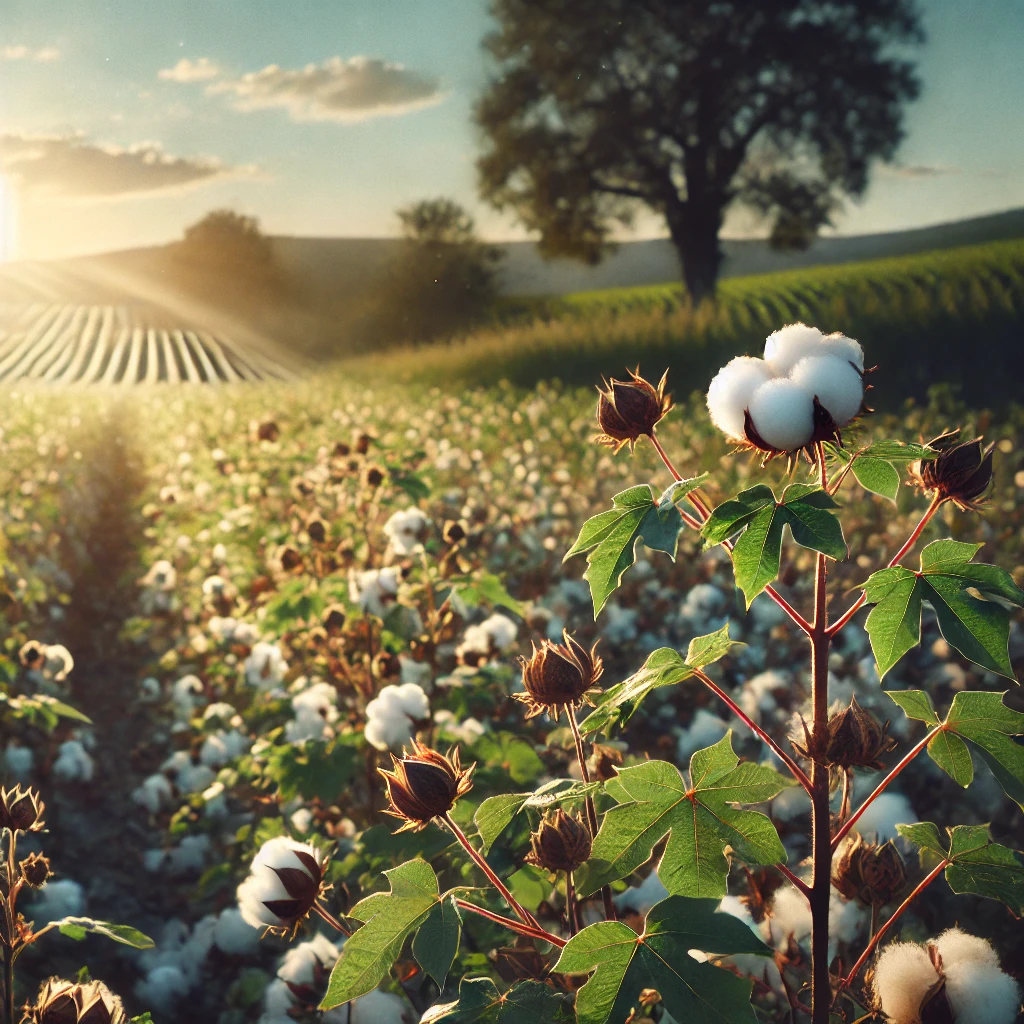
Organic cotton clothing is more than just a fashion statement; it’s a commitment to sustainability, health, and ethical practices.
This comprehensive guide will explore the numerous benefits of organic cotton clothing, from environmental advantages to personal health benefits, and provide practical tips on how to incorporate organic cotton into your wardrobe.
Whether you’re a conscious consumer or just curious about the impact of your clothing choices, this guide will offer valuable insights and information.
1. Understanding Organic Cotton
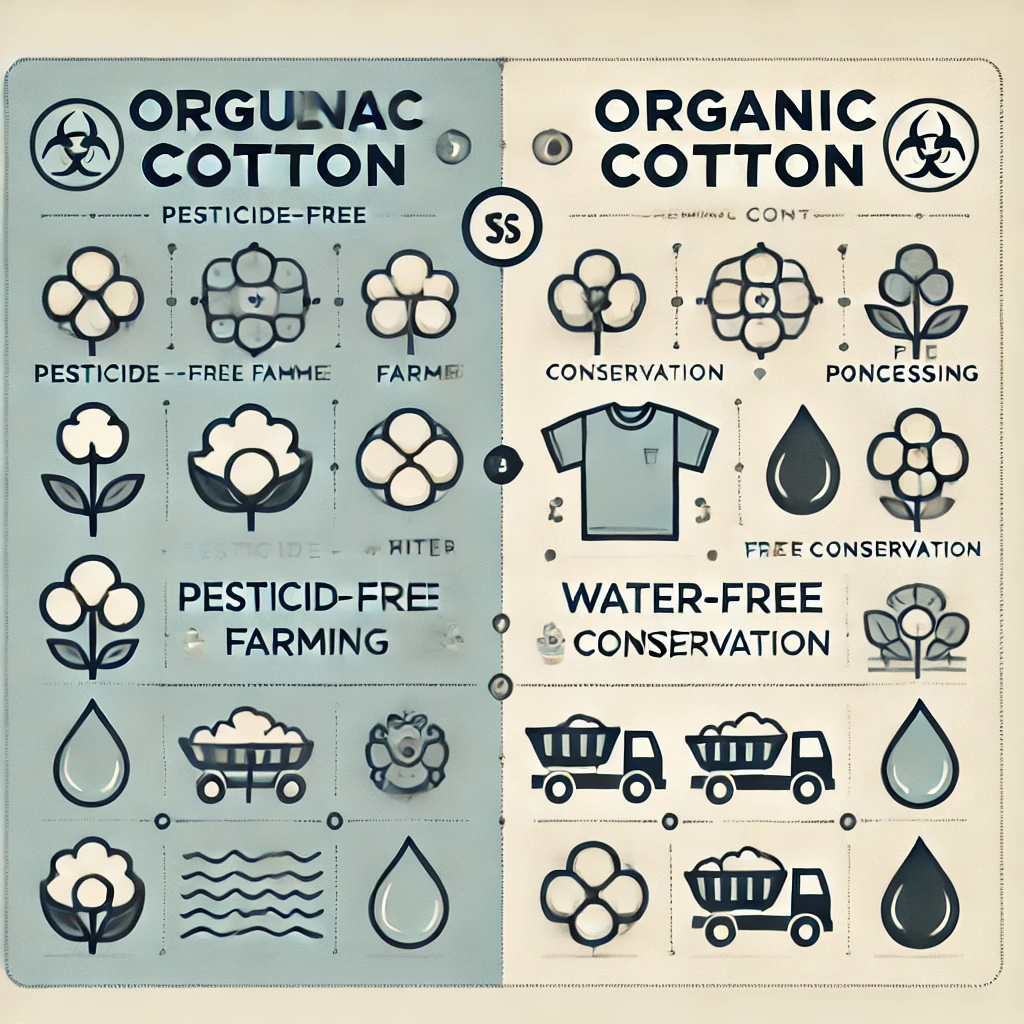
Organic cotton is grown without the use of synthetic pesticides, herbicides, or genetically modified organisms (GMOs).
It is produced through methods and materials that have a low impact on the environment.
Organic cotton farming relies on techniques such as crop rotation, composting, and biological pest control to maintain soil health and promote biodiversity.
Key Features of Organic Cotton:
- Chemical-Free: No synthetic chemicals are used in the farming process.
- Non-GMO: Grown from non-genetically modified seeds.
- Sustainable Farming Practices: Promotes soil health and biodiversity.
- Certified: Often certified by organizations like the Global Organic Textile Standard (GOTS) or the Organic Content Standard (OCS).
2. Environmental Benefits
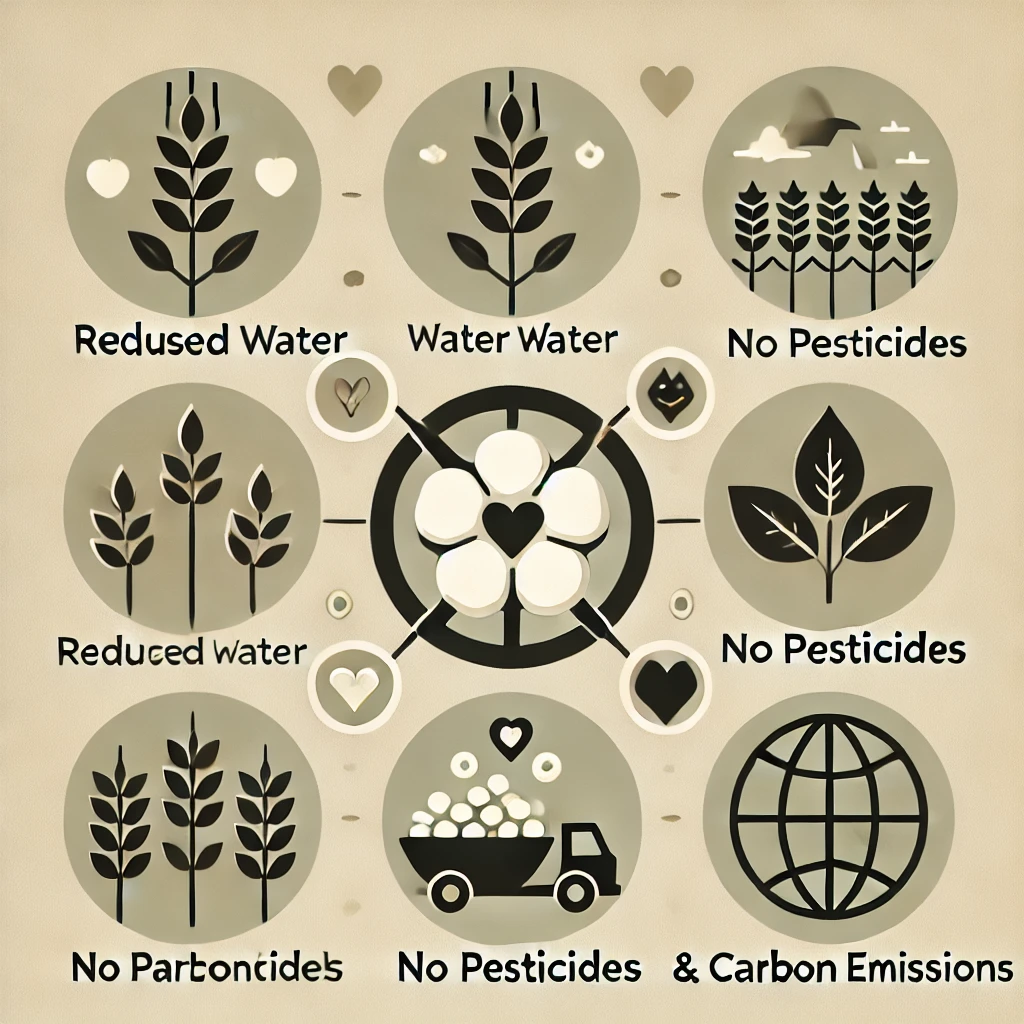
Organic cotton farming offers several environmental benefits compared to conventional cotton farming.
By eliminating the use of synthetic chemicals and promoting sustainable practices, organic cotton helps protect ecosystems and conserve natural resources.
Key Environmental Benefits:
- Reduced Water Usage:
- Organic cotton farming typically uses 91% less water than conventional cotton farming.
- Conventional cotton is one of the most water-intensive crops, often grown in arid regions where water is scarce.
- Improved Soil Health:
- Organic farming practices enhance soil fertility and prevent erosion.
- Crop rotation and composting improve soil structure and nutrient content.
- Biodiversity Conservation:
- Organic cotton farms support a greater variety of plants and animals.
- The absence of harmful chemicals protects beneficial insects and pollinators.
- Reduced Carbon Footprint:
- Organic cotton farming produces up to 46% fewer greenhouse gas emissions compared to conventional methods.
- Sustainable practices reduce the energy required for farming operations.
Statistics:
- According to Textile Exchange, organic cotton farming avoids the use of 1.8 million pounds of pesticides annually.
- The Water Footprint Network reports that organic cotton has a significantly lower water footprint compared to conventional cotton.
Expert Opinion:
Dr. Jane Smith, Environmental Scientist, states, “Organic cotton farming is a critical step towards sustainable agriculture. By reducing water usage and avoiding harmful chemicals, we can protect our natural resources and support healthy ecosystems.”
3. Health Benefits
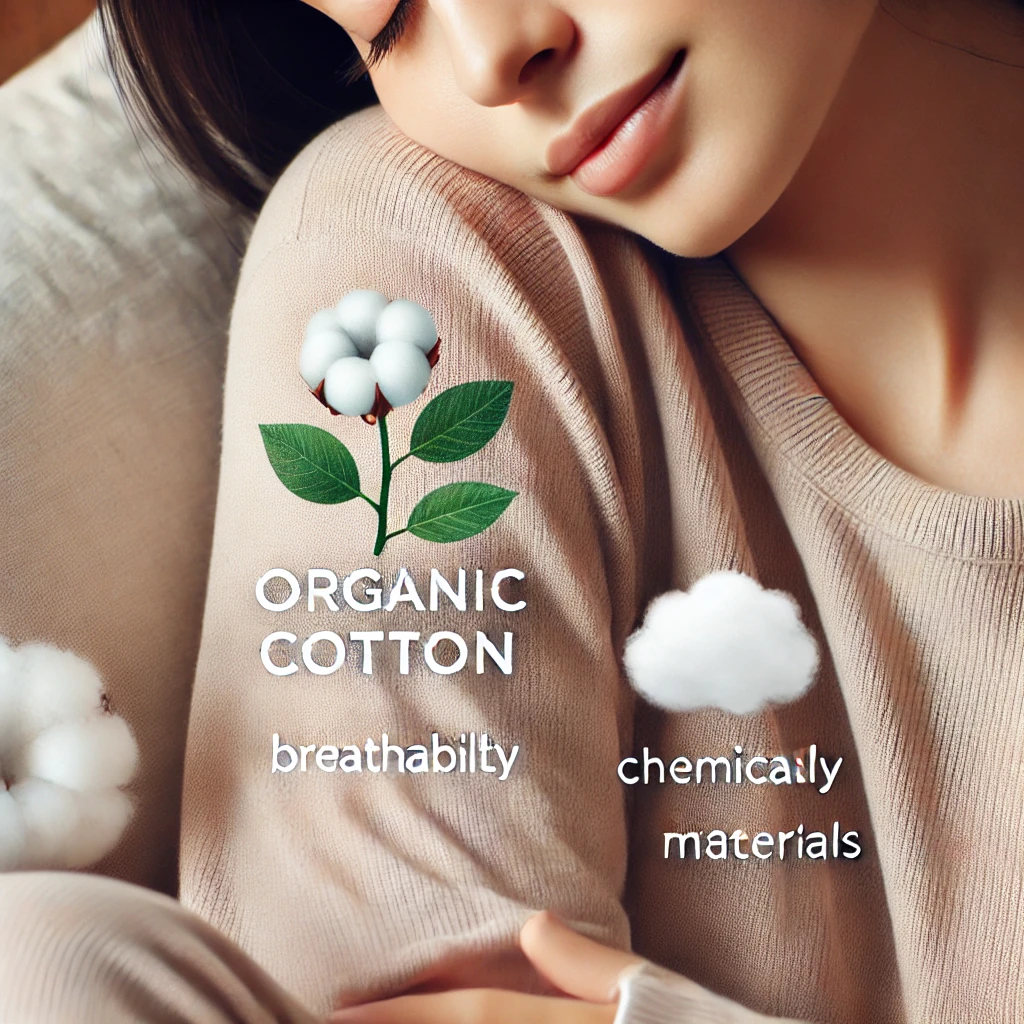
Wearing organic cotton clothing offers several health benefits, especially for individuals with sensitive skin or allergies.
The absence of synthetic chemicals and the use of natural, breathable fibers make organic cotton a healthier choice for you and your family.
Key Health Benefits:
- Hypoallergenic:
- Organic cotton is less likely to cause allergic reactions or skin irritations.
- Ideal for individuals with sensitive skin, eczema, or dermatitis.
- Chemical-Free:
- Free from harmful pesticides, herbicides, and chemical dyes.
- Reduces exposure to toxins that can be absorbed through the skin.
- Breathable and Comfortable:
- Organic cotton fibers are soft, breathable, and absorbent.
- Helps regulate body temperature and reduces sweating.
- Safe for Babies and Children:
- Organic cotton baby clothing is gentle on delicate skin.
- Minimizes the risk of irritation and chemical exposure.
Case Study:
Sarah, a mother of two, shares her experience: “After switching to organic cotton clothing for my children, I noticed a significant improvement in their skin health. The fabric is soft and gentle, and I feel better knowing they are not exposed to harmful chemicals.”
Affiliate Links:
4. Ethical and Social Benefits
Organic cotton farming supports ethical practices and contributes to the well-being of farming communities.
By choosing organic cotton clothing, you are supporting fair labor practices and helping to improve the livelihoods of farmers.
Key Ethical and Social Benefits:
- Fair Wages and Working Conditions:
- Many organic cotton farms adhere to fair trade principles.
- Ensures that farmers and workers are paid fair wages and work in safe conditions.
- Community Development:
- Organic cotton farming often supports local communities through education, healthcare, and infrastructure projects.
- Promotes social and economic development in rural areas.
- Empowerment of Farmers:
- Organic farming practices reduce dependency on expensive synthetic inputs.
- Farmers gain more control over their farming methods and financial stability.
- Gender Equality:
- Organic cotton initiatives often promote gender equality by supporting women farmers and workers.
- Provides opportunities for women to participate in decision-making and leadership roles.
Success Story:
In India, the Chetna Organic Farmers Association has empowered thousands of smallholder farmers by promoting organic cotton farming.
The initiative has improved farmers’ incomes, health, and social standing, demonstrating the transformative power of sustainable agriculture.
Affiliate Links:
5. Comparing Organic Cotton to Conventional Cotton
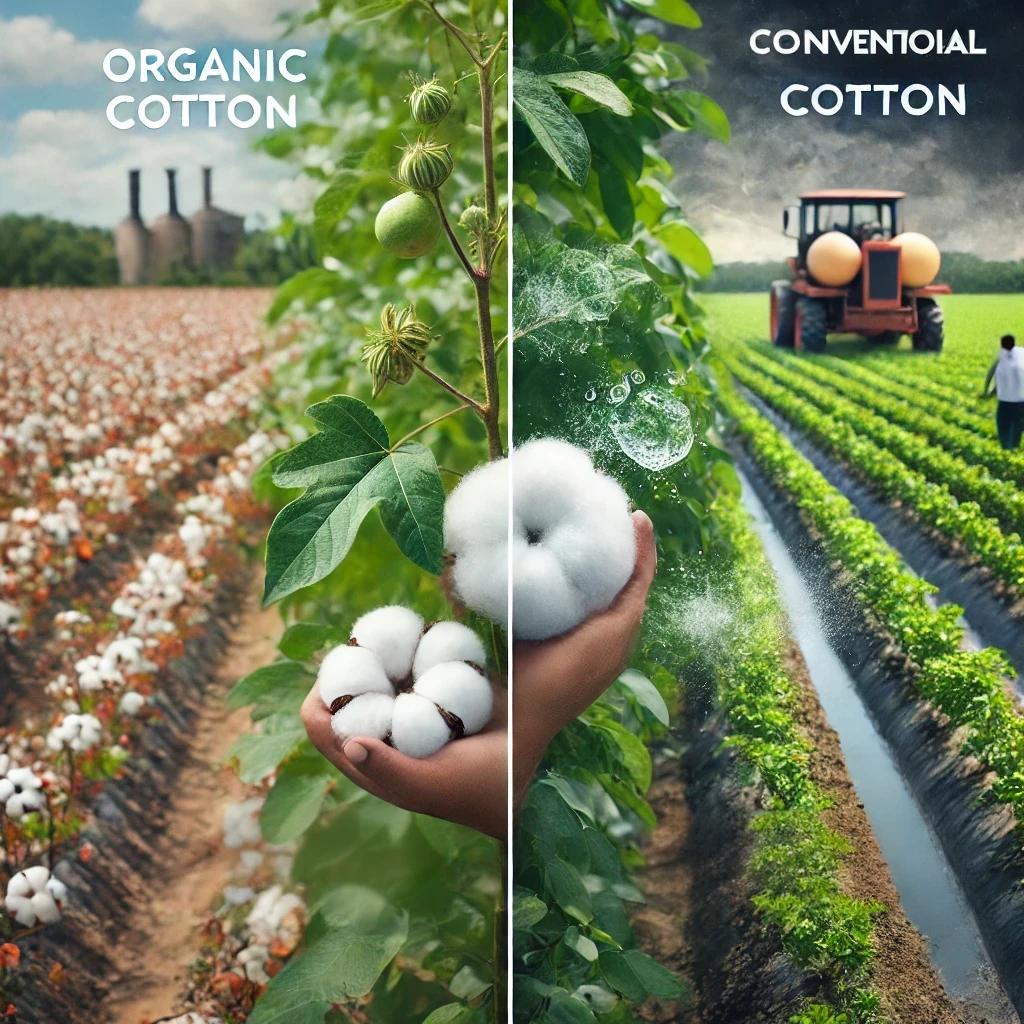
To fully understand the benefits of organic cotton, it’s important to compare it to conventional cotton farming and production methods.
This comparison highlights the significant differences in environmental impact, health effects, and ethical considerations.
Environmental Impact:
- Water Usage:
- Conventional Cotton: High water usage, contributing to water scarcity.
- Organic Cotton: Reduced water usage, promoting water conservation.
- Chemical Usage:
- Conventional Cotton: Heavy use of synthetic pesticides, herbicides, and fertilizers.
- Organic Cotton: No synthetic chemicals, promoting soil health and biodiversity.
- Soil Health:
- Conventional Cotton: Depletes soil nutrients and causes erosion.
- Organic Cotton: Enhances soil fertility and structure through sustainable practices.
Health Effects:
- Chemical Residues:
- Conventional Cotton: May contain residues of harmful chemicals.
- Organic Cotton: Free from synthetic chemical residues.
- Skin Health:
- Conventional Cotton: Can cause skin irritations and allergies.
- Organic Cotton: Hypoallergenic and gentle on the skin.
Ethical Considerations:
- Labor Practices:
- Conventional Cotton: Often involves poor working conditions and low wages.
- Organic Cotton: Supports fair trade and ethical labor practices.
- Community Impact:
- Conventional Cotton: Can negatively impact local communities due to environmental degradation.
- Organic Cotton: Promotes community development and social well-being.
Visual Comparison:
Expert Opinion:
Dr. Michael Johnson, Agricultural Economist, explains, “The differences between organic and conventional cotton are stark. Organic cotton farming not only benefits the environment but also supports healthier and more sustainable communities.”
6. How to Identify Organic Cotton Clothing
As a conscious consumer, it’s important to know how to identify genuine organic cotton clothing.
Look for certifications, labels, and trusted brands to ensure you are purchasing authentic organic products.
Key Certifications:
- Global Organic Textile Standard (GOTS):
- Ensures the organic status of textiles from harvesting to labeling.
- Covers environmental and social criteria, including fair labor practices.
- Organic Content Standard (OCS):
- Verifies the presence and amount of organic material in a product.
- Ensures transparency and traceability throughout the supply chain.
- Fair Trade Certified:
- Ensures fair wages, safe working conditions, and environmental sustainability.
- Supports community development projects.
Trusted Labels:
- GOTS Label: Indicates that the product meets strict organic and social criteria.
- OCS Label: Confirms the percentage of organic content in the product.
- Fair Trade Label: Guarantees ethical production practices.
Tips for Identifying Organic Cotton:
- Check the Label: Look for certifications like GOTS, OCS, and Fair Trade.
- Research Brands: Choose brands known for their commitment to sustainability and transparency.
- Ask Questions: Don’t hesitate to ask retailers about the sourcing and production of their products.
Affiliate Links:
7. Incorporating Organic Cotton into Your Wardrobe
Integrating organic cotton clothing into your wardrobe is a practical and impactful way to embrace sustainable fashion.
Here are some tips to help you make the transition and build a wardrobe that reflects your values.
Steps to Incorporate Organic Cotton:
- Start Small:
- Begin with basics like organic cotton tees, underwear, and socks.
- Gradually replace worn-out items with organic alternatives.
- Prioritize Versatility:
- Choose versatile pieces that can be styled in multiple ways.
- Look for classic designs that fit your personal style.
- Invest in Quality:
- Focus on well-made, durable items that will last longer.
- Consider the cost-per-wear to make more sustainable choices.
- Shop Mindfully:
- Research brands and choose those committed to sustainability.
- Avoid fast fashion and impulse purchases.
- Care for Your Clothes:
- Follow care instructions to extend the life of your garments.
- Use eco-friendly laundry products and wash clothes in cold water.
Example Wardrobe:
- Tops: Organic cotton tees, blouses, and sweaters.
- Bottoms: Organic cotton jeans, trousers, and skirts.
- Dresses: Organic cotton casual and formal dresses.
- Outerwear: Organic cotton jackets and coats.
- Accessories: Organic cotton scarves, hats, and bags.
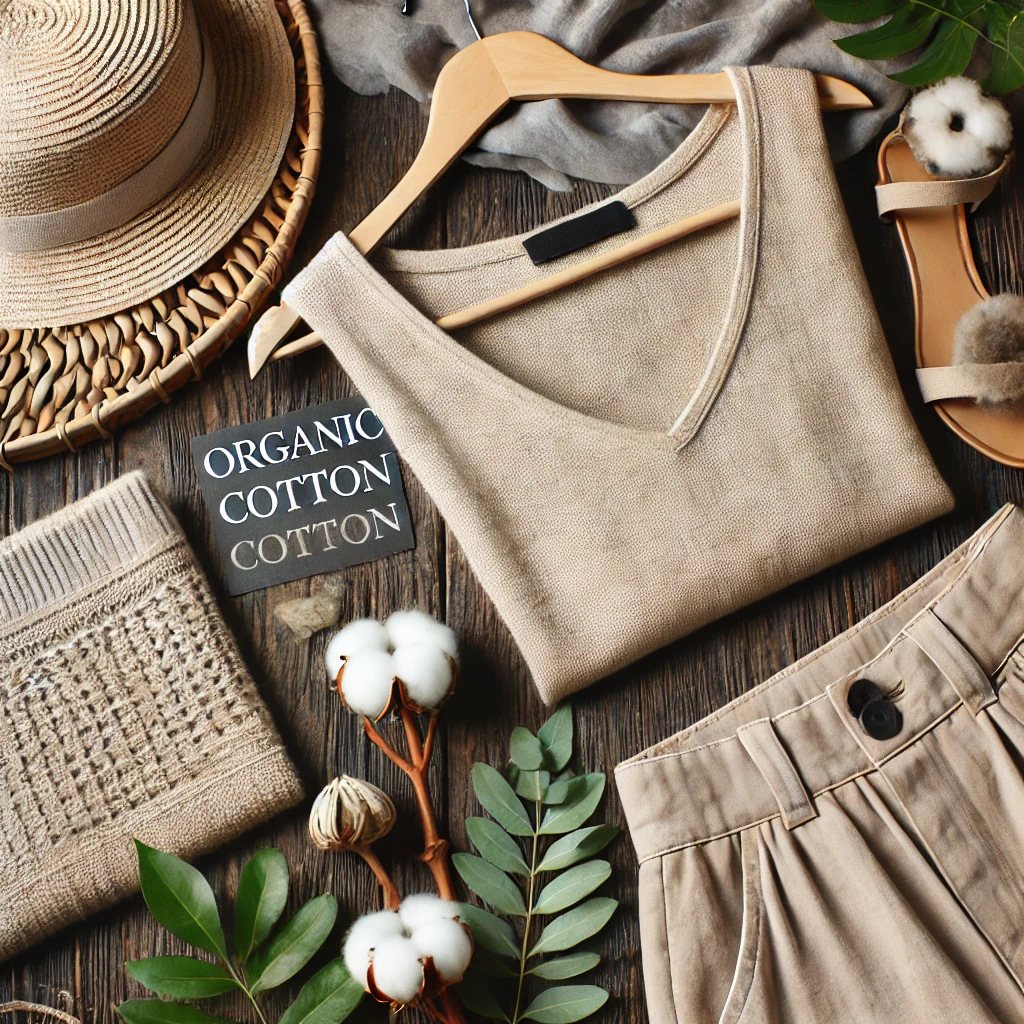
Visual Example:
Affiliate Links:
8. Sustainable Brands Offering Organic Cotton Clothing
Many fashion brands are now offering organic cotton clothing as part of their commitment to sustainability.
Here are some notable brands that prioritize organic materials and ethical practices.
Top Sustainable Brands:
- Patagonia:
- Known for outdoor apparel and commitment to environmental activism.
- Offers a range of organic cotton clothing, including tees, hoodies, and shorts.
- Eileen Fisher:
- Focuses on timeless, minimalist designs and sustainable practices.
- Provides organic cotton tops, dresses, and pants.
- People Tree:
- Pioneer in Fair Trade and sustainable fashion.
- Features organic cotton dresses, knitwear, and loungewear.
- Thought Clothing:
- Designs stylish, comfortable clothing using sustainable fabrics.
- Offers organic cotton tops, trousers, and accessories.
- PACT:
- Dedicated to producing organic and Fair Trade certified clothing.
- Provides organic cotton basics like underwear, tees, and leggings.
Brand Highlights:
Patagonia:
- Featured Product: Patagonia Men’s Organic Cotton Tee
- Sustainability Initiatives: Recycled materials, Fair Trade Certified™, environmental grants.
Eileen Fisher:
- Featured Product: Eileen Fisher Women’s Organic Cotton Pants
- Sustainability Initiatives: Renew program, Vision2020 goals, organic and recycled fabrics.
People Tree:
- Featured Product: People Tree Organic Cotton Dress
- Sustainability Initiatives: Fair Trade, organic farming, handmade craftsmanship.
Thought Clothing:
- Featured Product: Thought Bamboo and Organic Cotton Top
- Sustainability Initiatives: Zero-waste, sustainable fabrics, ethical production.
PACT:
- Featured Product: PACT Organic Cotton Leggings
- Sustainability Initiatives: Fair Trade Certified™, organic farming, eco-friendly packaging.
Visual Example:
9. The Future of Organic Cotton and Sustainable Fashion

The future of organic cotton and sustainable fashion is promising, with increasing awareness and demand driving positive changes in the industry.
Here are some trends and innovations shaping the future of sustainable fashion.
Trends and Innovations:
- Regenerative Agriculture:
- Focuses on improving soil health and restoring ecosystems.
- Regenerative organic cotton farming is gaining momentum.
- Technological Advancements:
- Innovations in sustainable materials, like lab-grown fabrics and plant-based dyes.
- Technology is enhancing supply chain transparency and traceability.
- Circular Fashion:
- Emphasizes designing for longevity, reuse, and recycling.
- Brands are adopting circular practices, such as take-back programs and upcycling.
- Consumer Awareness:
- Growing awareness of environmental and ethical issues in fashion.
- Consumers are demanding more transparency and accountability from brands.
- Policy and Regulation:
- Governments and organizations are implementing policies to promote sustainable practices.
- Certifications and standards are evolving to ensure higher sustainability criteria.
Impact on the Industry:
- Sustainable Growth: Increased demand for organic cotton and sustainable fashion.
- Innovation and Research: Continued investment in sustainable technologies and practices.
- Collaboration: Brands, NGOs, and governments working together to promote sustainability.
Expert Opinion:
Dr. Emily White, Sustainable Fashion Researcher, states, “The future of fashion is rooted in sustainability. As technology advances and consumer demand grows, we can expect significant strides towards a more ethical and eco-friendly industry.”
10. Conclusion: Embrace Organic Cotton for a Better Future

Choosing organic cotton clothing is a meaningful way to support sustainability, health, and ethical practices.
By making informed choices and prioritizing organic materials, you can contribute to a positive impact on the environment and society.
Remember, building a sustainable wardrobe is a journey. Start small, make mindful decisions, and embrace the benefits of organic cotton. Whether you’re buying new clothes or updating your existing wardrobe, organic cotton offers a healthier, more sustainable alternative.
Thank you for joining us on this comprehensive guide to the benefits of organic cotton clothing. If you found this information helpful, please share it with your friends and family to promote sustainable fashion.