

In today’s rapidly changing world, sustainability is more important than ever.
With the growing awareness of climate change, pollution, and the depletion of natural resources, many people are looking for ways to make their homes more eco-friendly.
Transitioning to a sustainable lifestyle doesn’t have to be overwhelming; even small changes can make a significant impact.
In this comprehensive guide, we will explore the top 10 eco-friendly products that can help you create a sustainable home.
From reducing plastic waste to conserving energy, these products are designed to support a greener lifestyle.
1. Reusable Grocery Bags
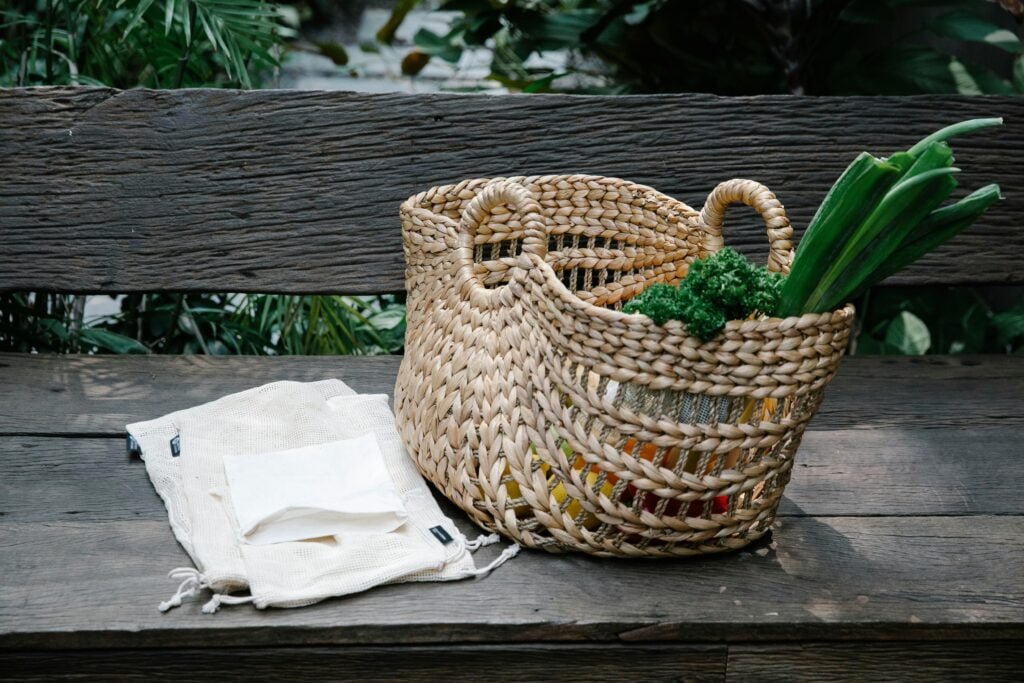
Plastic bags are one of the most significant contributors to environmental pollution.
They are used for an average of 12 minutes but take up to 1,000 years to decompose.
Switching to reusable grocery bags is a simple yet powerful way to reduce plastic waste.
Here’s why they’re essential and how you can choose the best ones for your needs.
Why Choose Reusable Grocery Bags?
- Durability: Reusable bags are made from stronger materials like cotton, jute, and recycled plastics, making them more durable and capable of holding heavier loads compared to single-use plastic bags.
- Environmental Impact: Each reusable bag can replace hundreds, if not thousands, of plastic bags over its lifetime.
- Cost-Effective: Although reusable bags may have a higher upfront cost, they save money in the long run by reducing the need to purchase disposable bags.
Types of Reusable Grocery Bags
- Cotton Bags: These are made from natural fibers and are biodegradable. They are strong and can be washed easily.
- Jute Bags: Jute is a natural fiber that is both strong and biodegradable. These bags are ideal for heavier items.
- Recycled Plastic Bags: These bags are made from recycled plastic materials, offering a second life to plastic waste.
Tips for Using Reusable Grocery Bags
- Keep Them Handy: Store reusable bags in your car, purse, or near the door so you don’t forget them when you go shopping.
- Wash Regularly: To prevent bacteria buildup, wash your bags regularly, especially if you use them for carrying food items.
- Invest in Variety: Have a variety of sizes and types to accommodate different shopping needs.
Check out these highly-rated reusable grocery bags on Amazon
2. Bamboo Toothbrushes
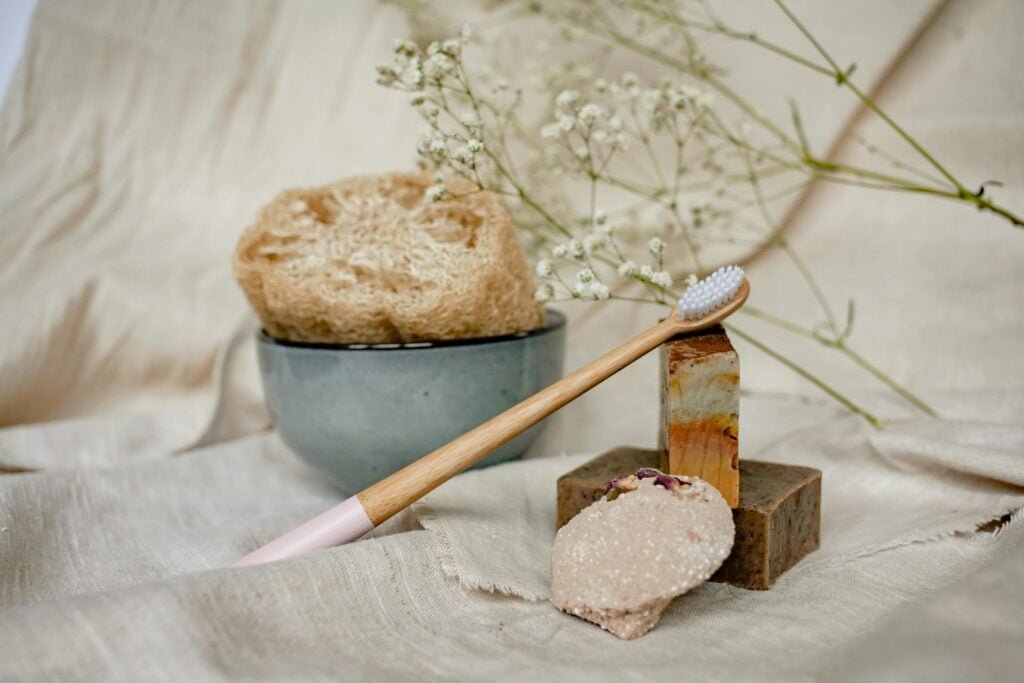
Did you know that every plastic toothbrush ever made still exists somewhere on the planet?
Plastic toothbrushes are a significant contributor to landfill waste, but there is a sustainable alternative: bamboo toothbrushes.
Benefits of Bamboo Toothbrushes
- Biodegradable: Unlike plastic toothbrushes, bamboo toothbrushes are biodegradable and can be composted after their useful life.
- Renewable Resource: Bamboo grows quickly and does not require pesticides or fertilizers, making it an environmentally friendly resource.
- Antimicrobial Properties: Bamboo has natural antimicrobial properties, which means it can help reduce bacteria buildup on the toothbrush.
How to Choose a Bamboo Toothbrush
- Soft Bristles: Opt for toothbrushes with soft bristles to protect your gums and enamel. Some brands offer bristles made from biodegradable materials.
- Ergonomic Design: Look for a toothbrush with an ergonomic handle for comfortable use.
- Certified Sustainable Bamboo: Ensure that the bamboo used is sourced from sustainable and certified farms.
Caring for Your Bamboo Toothbrush
- Dry Properly: Store your bamboo toothbrush in a dry area to prevent mold growth.
- Replace Regularly: Replace your bamboo toothbrush every three months or sooner if the bristles are frayed.
Buy eco-friendly bamboo toothbrushes here
3. Eco-Friendly Cleaning Products
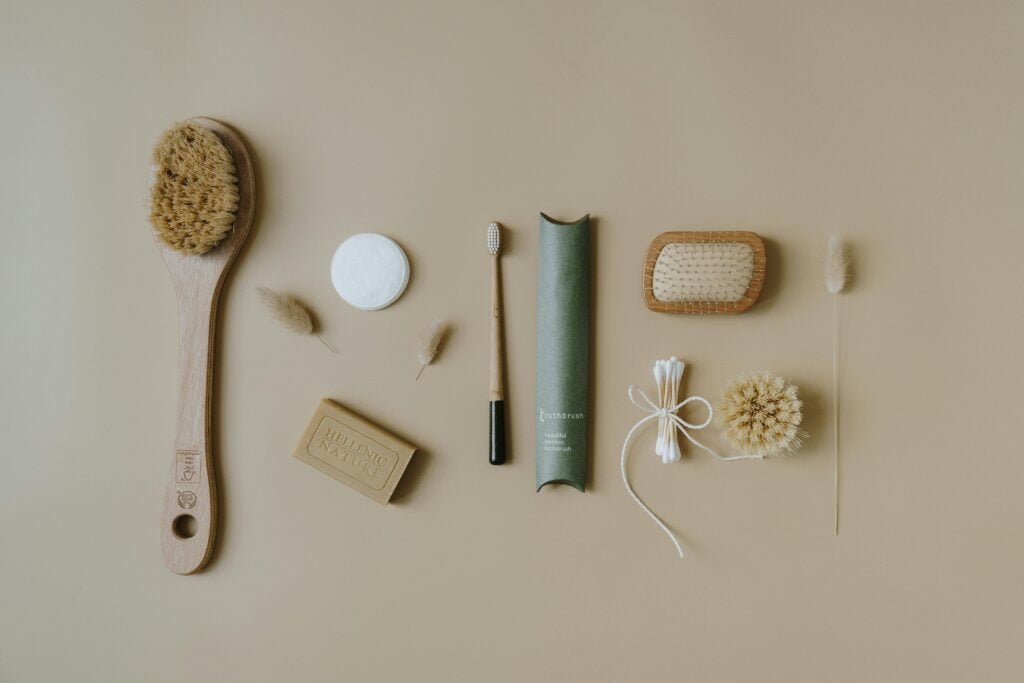
Many traditional cleaning products contain harsh chemicals that can be harmful to both the environment and your health.
Switching to eco-friendly cleaning products is a great way to maintain a clean home while protecting the planet.
Why Choose Eco-Friendly Cleaning Products?
- Non-Toxic: These products are free from harmful chemicals like phosphates, chlorine, and artificial fragrances.
- Biodegradable: Eco-friendly cleaning products are made from biodegradable ingredients, meaning they break down naturally and do not pollute waterways.
- Safe for Indoor Air Quality: Many eco-friendly cleaners have fewer volatile organic compounds (VOCs), which can improve indoor air quality.
Types of Eco-Friendly Cleaning Products
- All-Purpose Cleaners: Made from natural ingredients like vinegar, baking soda, and essential oils, these cleaners can be used on various surfaces.
- Laundry Detergents: Eco-friendly laundry detergents are free from synthetic fragrances and dyes and are often available in concentrated forms to reduce packaging waste.
- Dish Soaps: Look for dish soaps made from plant-based ingredients that are tough on grease but gentle on the environment.
DIY Eco-Friendly Cleaning Solutions
- Vinegar and Baking Soda: This combination can tackle tough stains, clean ovens, and freshen drains.
- Lemon Juice: Lemon juice is a natural disinfectant and can be used to clean cutting boards, countertops, and sinks.
- Essential Oils: Add a few drops of essential oils like tea tree, lavender, or eucalyptus to your cleaning solutions for a natural fragrance and added antibacterial properties.
Explore eco-friendly cleaning products
4. Solar-Powered Chargers

With the increasing use of electronic devices, the demand for energy has skyrocketed.
Solar-powered chargers offer a sustainable way to keep your gadgets powered up without relying on conventional electricity sources.
Advantages of Solar-Powered Chargers
- Renewable Energy Source: Solar chargers harness energy from the sun, a renewable resource, reducing your reliance on fossil fuels.
- Portability: These chargers are lightweight and portable, making them ideal for travel, camping, or emergencies.
- Cost Savings: After the initial investment, solar chargers provide free energy, reducing your electricity bills over time.
Types of Solar-Powered Chargers
- Portable Solar Panels: These foldable panels can be carried easily and are perfect for charging devices on the go.
- Solar Power Banks: These are equipped with built-in batteries that store solar energy, allowing you to charge your devices even when there’s no sunlight.
- Solar Backpacks: Integrated with solar panels, these backpacks can charge your devices while you’re on the move.
Tips for Using Solar-Powered Chargers
- Maximize Sun Exposure: Place the charger in direct sunlight for the most efficient energy collection.
- Keep Panels Clean: Dust and dirt can reduce the efficiency of solar panels, so clean them regularly.
- Understand Capacity: Choose a solar charger with a capacity that matches your energy needs.
Find solar-powered chargers on Amazon
5. Compost Bins
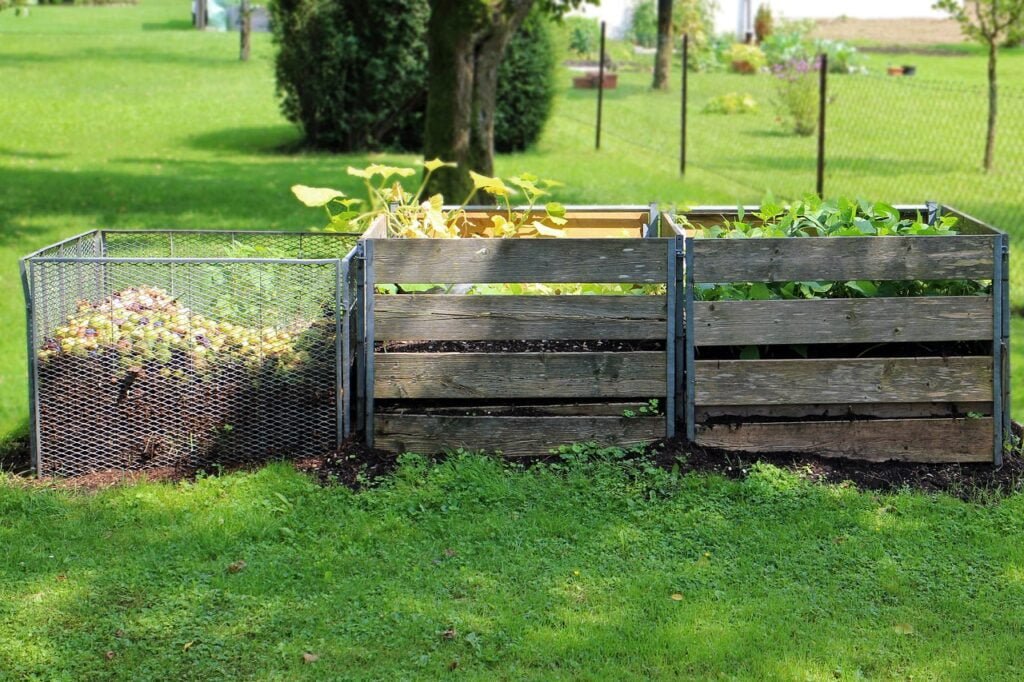
Composting is a fantastic way to reduce food waste and create nutrient-rich soil for your garden.
A compost bin is a valuable addition to any eco-friendly home.
Benefits of Composting
- Reduces Landfill Waste: Composting diverts organic waste from landfills, where it would produce methane, a potent greenhouse gas.
- Enriches Soil: Compost adds valuable nutrients to the soil, improving its structure and fertility.
- Reduces Need for Chemical Fertilizers: Compost can replace chemical fertilizers, which can be harmful to the environment.
Choosing the Right Compost Bin
- Size: Select a bin size based on the amount of organic waste your household produces.
- Material: Compost bins are available in various materials, including plastic, metal, and wood. Choose one that suits your space and aesthetic preferences.
- Features: Look for features like ventilation, easy access, and pest-proofing to ensure effective composting.
Types of Compost Bins
- Indoor Compost Bins: Ideal for small spaces, these bins can be kept in the kitchen and are designed to minimize odors.
- Outdoor Compost Bins: Larger bins that can handle more substantial amounts of waste. These are typically placed in the garden or backyard.
- Tumbling Composters: These bins have a mechanism that allows you to turn the compost easily, speeding up the decomposition process.
Tips for Effective Composting
- Balance Greens and Browns: Maintain a balance of green materials (fruit and vegetable scraps, coffee grounds) and brown materials (leaves, paper, cardboard) for optimal composting.
- Avoid Meat and Dairy: Do not compost meat, dairy, or oily foods, as they can attract pests and create unpleasant odors.
- Aerate Regularly: Turn the compost regularly to provide oxygen, which helps break down the organic matter.
6. Energy-Efficient LED Bulbs
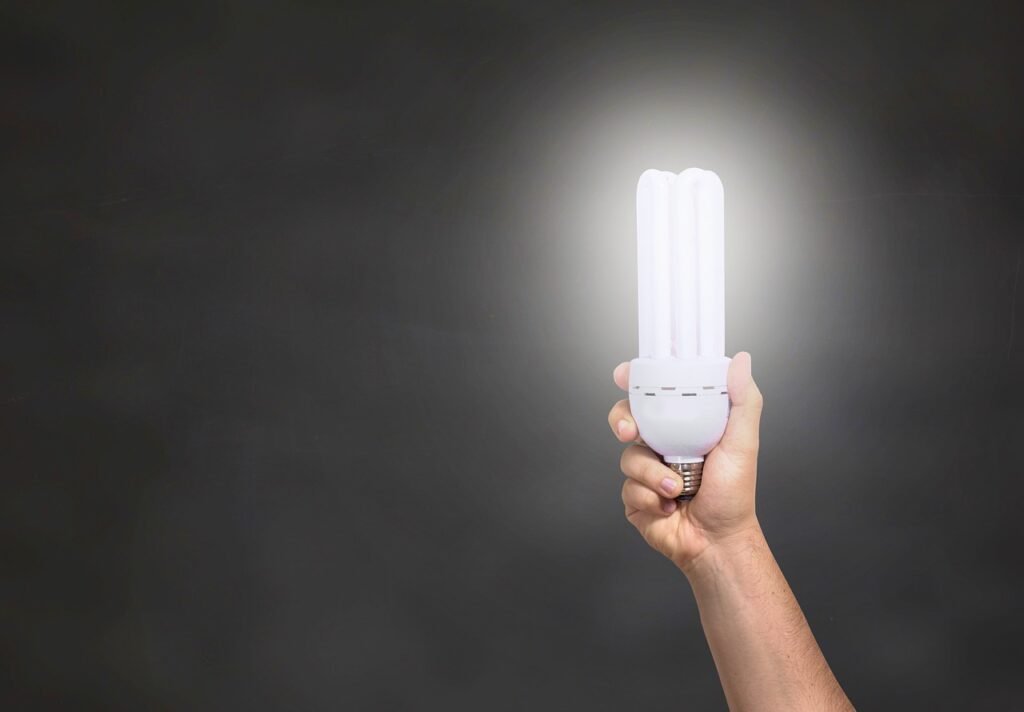
Lighting accounts for a significant portion of household energy use.
Switching to energy-efficient LED bulbs is an easy way to reduce your energy consumption and lower your utility bills.
Why Choose LED Bulbs?
- Energy Savings: LED bulbs use up to 75% less energy than incandescent bulbs, making them highly efficient.
- Long Lifespan: LED bulbs last up to 25 times longer than traditional bulbs, reducing the frequency of replacements.
- Environmental Impact: By using less energy, LED bulbs help reduce greenhouse gas emissions. They also do not contain harmful substances like mercury.
Types of LED Bulbs
- Standard A-Type Bulbs: These are suitable for general lighting purposes and can replace traditional incandescent bulbs.
- Smart LED Bulbs: These bulbs can be controlled via a smartphone app, allowing you to adjust brightness and color, and even set schedules.
- Dimmable LED Bulbs: Perfect for creating ambiance, these bulbs can be dimmed to suit different lighting needs.
Choosing the Right LED Bulbs
- Brightness: Check the lumens rating to ensure you get the desired brightness. LED bulbs are available in a range of brightness levels.
- Color Temperature: LED bulbs come in various color temperatures, from warm white to cool daylight. Choose one that suits your preference and the room’s function.
- Compatibility: Ensure that the LED bulbs are compatible with your existing fixtures and dimmer switches if you plan to use dimmable bulbs.
Purchase energy-efficient LED bulbs
7. Reusable Water Bottles
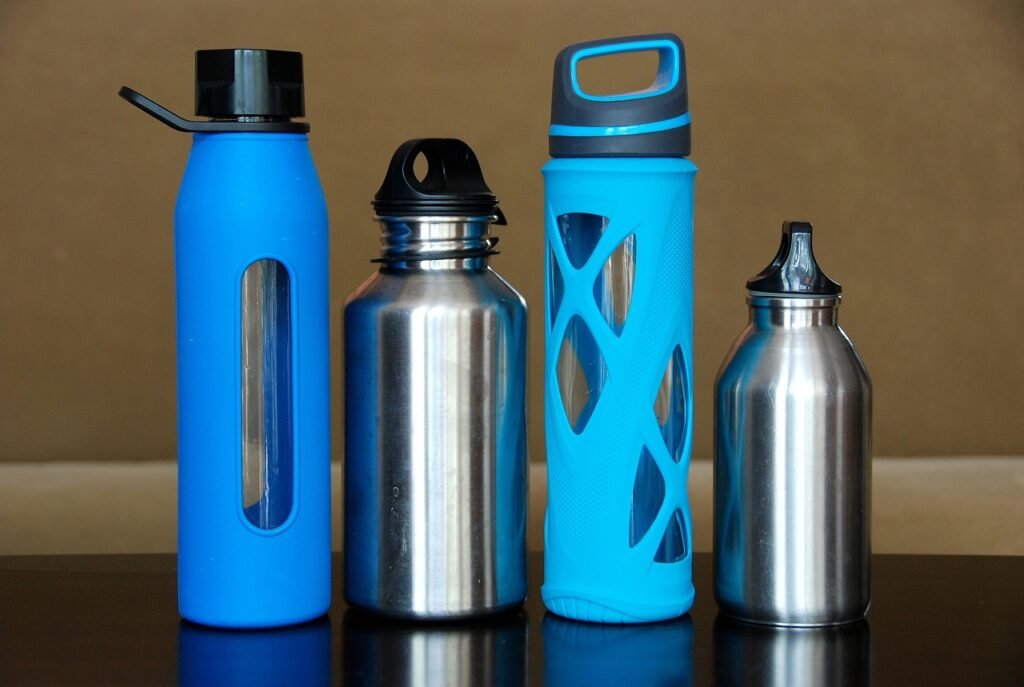
Single-use plastic water bottles are a significant source of pollution.
Using a reusable water bottle is an easy and effective way to reduce plastic waste and stay hydrated.
Benefits of Reusable Water Bottles
- Environmental Impact: Each reusable bottle can save hundreds of plastic bottles from ending up in landfills or oceans.
- Cost Savings: Investing in a reusable bottle can save you money in the long run compared to buying bottled water.
- Health Benefits: Many reusable bottles are made from materials like stainless steel or glass, which are safer than plastic.
Types of Reusable Water Bottles
- Stainless Steel: These bottles are durable, keep drinks cold or hot for hours, and are free from harmful chemicals.
- Glass: Glass bottles do not retain flavors or odors and are a great option for those who prefer the pure taste of water.
- BPA-Free Plastic: Lightweight and affordable, these bottles are a convenient option for everyday use.
Choosing the Right Reusable Water Bottle
- Capacity: Select a bottle size that meets your daily hydration needs. Common sizes range from 12 to 32 ounces.
- Features: Look for features like insulated walls, easy-to-clean designs, and leak-proof lids.
- Design: Choose a design and color that you like, making it more likely that you will use the bottle regularly.
Caring for Your Reusable Water Bottle
- Clean Regularly: Wash your bottle daily with warm soapy water, and use a bottle brush to reach the bottom.
- Avoid Freezing: Do not freeze your bottle unless it is specifically designed to handle freezing temperatures.
Get your reusable water bottles here
8. Biodegradable Trash Bags
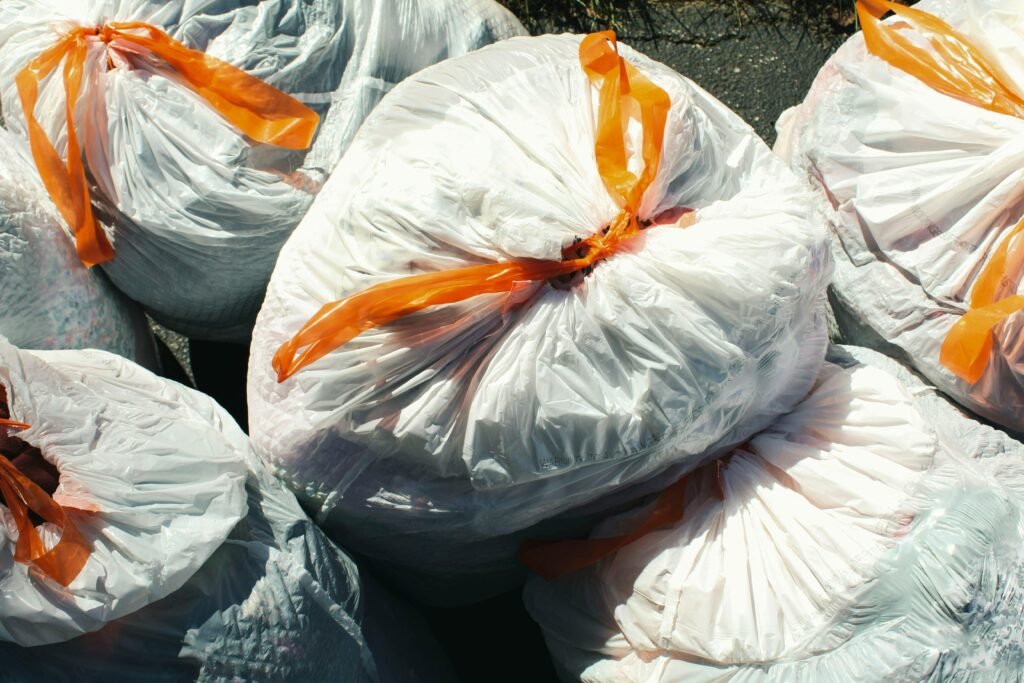
Regular plastic trash bags can take hundreds of years to decompose, contributing to landfill waste.
Biodegradable trash bags are a more sustainable option for disposing of your household waste.
Advantages of Biodegradable Trash Bags
- Faster Decomposition: These bags break down more quickly than traditional plastic bags, reducing their environmental impact.
- Reduced Pollution: Made from materials like cornstarch, biodegradable trash bags produce less pollution during their production and decomposition.
- Versatility: Biodegradable trash bags can be used for various types of waste, including kitchen scraps, yard waste, and general household trash.
Choosing Biodegradable Trash Bags
- Size: Select a size that fits your trash can and meets your household’s waste disposal needs.
- Strength: Ensure the bags are strong enough to hold your waste without tearing.
- Certifications: Look for certifications from organizations like the Biodegradable Products Institute (BPI) to ensure the bags meet recognized standards.
Tips for Using Biodegradable Trash Bags
- Avoid Overfilling: Overfilling can cause the bags to tear. Use multiple bags if needed.
- Store Properly: Keep the bags in a cool, dry place to prevent them from breaking down prematurely.
- Compost When Possible: If your local waste management facility accepts compostable bags, use them for compostable waste.
Browse biodegradable trash bags
9. Eco-Friendly Shower Heads
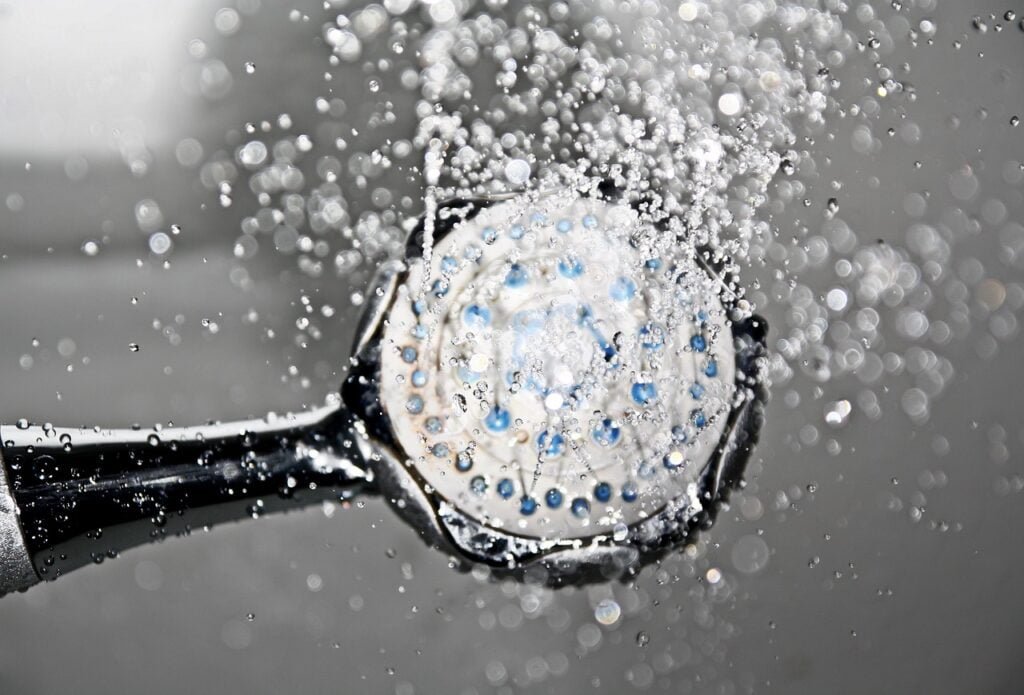
Water conservation is a critical aspect of sustainable living.
Eco-friendly shower heads are designed to reduce water usage without compromising on water pressure, helping you save water and lower your utility bills.
Benefits of Eco-Friendly Shower Heads
- Water Savings: These shower heads use less water per minute compared to traditional shower heads, significantly reducing your water usage.
- Energy Savings: By using less water, you also reduce the energy needed to heat the water, leading to lower energy bills.
- Improved Performance: Many eco-friendly shower heads are designed to maintain strong water pressure while using less water.
Types of Eco-Friendly Shower Heads
- Aerating Shower Heads: Mix air with water to create a misty spray, reducing water usage while maintaining pressure.
- Laminar-Flow Shower Heads: Produce a consistent, solid stream of water, using less water without sacrificing performance.
- Low-Flow Shower Heads: Designed to use less water overall, these shower heads often include flow restrictors to limit water flow.
Choosing the Right Eco-Friendly Shower Head
- Flow Rate: Look for shower heads with a flow rate of 2.5 gallons per minute (GPM) or less. The lower the flow rate, the more water you save.
- Spray Patterns: Choose a shower head with adjustable spray patterns to customize your shower experience.
- Ease of Installation: Many eco-friendly shower heads are designed for easy installation without the need for professional help.
Discover eco-friendly shower heads
10. Organic Cotton Bedding

The production of conventional cotton involves the use of pesticides and large amounts of water, making it environmentally intensive.
Organic cotton bedding is a more sustainable choice, offering comfort without compromising on eco-friendliness.
Why Choose Organic Cotton Bedding?
- Sustainable Farming Practices: Organic cotton is grown without synthetic pesticides or fertilizers, reducing its environmental impact.
- Water Conservation: Organic cotton farming typically uses less water compared to conventional cotton farming.
- Health Benefits: Organic cotton is free from harmful chemicals, making it a healthier option for your skin and overall well-being.
Types of Organic Cotton Bedding
- Sheets: Organic cotton sheets are soft, breathable, and available in various thread counts to suit your comfort preferences.
- Duvet Covers: These covers are made from organic cotton and can add a touch of sustainability to your bedroom decor.
- Pillowcases: Organic cotton pillowcases are gentle on your skin and hair, providing a comfortable sleeping experience.
Choosing Organic Cotton Bedding
- Certification: Look for certifications from organizations like the Global Organic Textile Standard (GOTS) to ensure the cotton is truly organic.
- Thread Count: Choose a thread count that balances softness and durability. Higher thread counts generally offer a smoother feel.
- Color and Design: Organic cotton bedding is available in various colors and designs, so you can find options that match your bedroom decor.
Caring for Organic Cotton Bedding
- Wash Gently: Use a gentle cycle and mild detergent to wash your organic cotton bedding.
- Avoid Harsh Chemicals: Do not use bleach or fabric softeners, as they can damage the organic fibers.
- Dry Naturally: Air-dry your bedding whenever possible to reduce energy use and preserve the fabric’s quality.
Why Choose Eco-Friendly Products?
Choosing eco-friendly products is more than just a trend; it’s a commitment to a healthier planet and a more sustainable future.
Here are some compelling reasons to make the switch:
Environmental Impact
Eco-friendly products are designed to minimize environmental harm.
By reducing waste, conserving resources, and promoting sustainable practices, these products help protect our planet for future generations.
Health Benefits
Many eco-friendly products are free from toxic chemicals and harmful substances, making them safer for you and your family.
From natural cleaning products to organic bedding, these items contribute to a healthier living environment.
Cost Savings
While some eco-friendly products may have a higher initial cost, they often save money in the long run.
Reusable items, energy-efficient devices, and water-saving products can reduce your utility bills and decrease the frequency of replacements.
Supporting Sustainable Practices
By choosing eco-friendly products, you support companies and practices that prioritize sustainability.
This helps drive demand for sustainable products and encourages more businesses to adopt environmentally friendly practices.
Final Thoughts
Creating a sustainable home doesn’t have to be daunting.
By incorporating these top 10 eco-friendly products into your daily life, you can make a significant impact on the environment and promote a healthier lifestyle.
Start with small changes and gradually add more sustainable practices to your routine.
Remember, every step towards sustainability counts.
If you found this guide helpful, don’t forget to share it with your friends and family.
Together, we can make a difference and create a more sustainable future.